-
Magnum Physiotherapy | Contact No : +91 9998238617
Magnum Physiotherapy | Contact No : +91 9998238617
Symptoms vary depending on the underlying cause.
Patients may struggle with:
Depending on the cause, individuals may experience:
Shortness of breath can arise from respiratory, cardiovascular, musculoskeletal, neurological, and systemic conditions.
Asthma is a chronic respiratory condition characterized by airway inflammation and narrowing.
Symptoms may include:
Symptoms may worsen with:
COPD includes:
Common symptoms include:
Lung infections may impair oxygen exchange and cause:
Some individuals experience prolonged breathing difficulties following respiratory infections.
Symptoms may include:
Cardiovascular disorders can contribute to breathing difficulties.
Examples include:
Anxiety can cause:
Physical inactivity may reduce cardiovascular and respiratory fitness, leading to breathlessness during activity.
Excess body weight increases the workload on:
Contributing to reduced exercise tolerance.
Conditions affecting nerve and muscle control may impair breathing efficiency.
Examples include:
Conditions affecting posture, mobility, and chest wall mechanics can interfere with breathing.
Examples include:
At Magnum Physiotherapy, we frequently treat patients experiencing shortness of breath associated with:
Physiotherapy plays an important role in improving respiratory function and overall physical capacity.
Breathing retraining helps improve breathing efficiency and reduce unnecessary effort.
Techniques may include:
Promotes:
Commonly used in COPD patients.
Benefits include:
Structured rehabilitation programs focus on:
Programs may include:
Gradually improves:
Targets:
Improved strength reduces overall energy expenditure during activity.
Poor posture can restrict lung expansion.
Treatment focuses on:
For patients with excessive mucus production, physiotherapists may use techniques to help clear secretions.
Examples include:
Patients learn techniques to:
Patients receive education regarding:
At Magnum Physiotherapy, we provide evidence-based rehabilitation for individuals experiencing shortness of breath due to respiratory, neurological, cardiovascular, and musculoskeletal conditions. Our personalized treatment programs combine breathing retraining, exercise therapy, pulmonary rehabilitation, posture correction, and education to improve breathing efficiency, endurance, and overall function.
Our goal is to help you breathe easier, move more confidently, and regain independence in daily life.
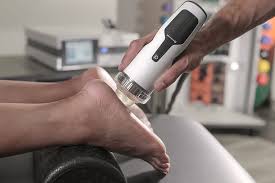
Focused Shockwave Therapy (Short Article)Focused Shockwave Therapy ek advanced non-surgical treatmen...
Read More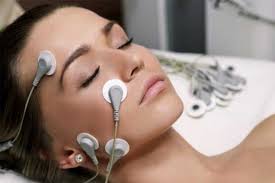
Cord Microcurrent Laser Therapy (Short Article)Cord Microcurrent Laser Therapy ek modern treatment t...
Read More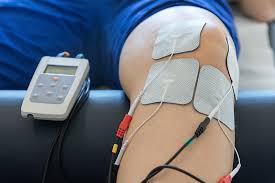
Electrotherapy kya hoti hai? (Short Article)Electrotherapy ek physiotherapy treatment hai jisme halk...
Read More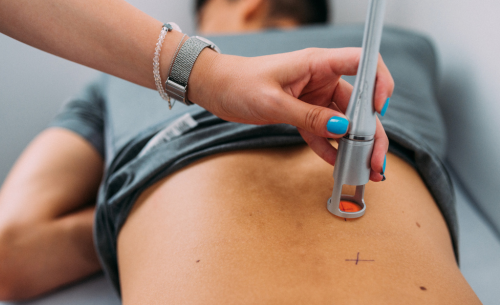
Class 4 Laser Needle Therapy (Short Article)Class 4 Laser Needle Therapy ek advanced treatment techn...
Read More
Common Neurological DisordersNeurodegenerative Diseases: Alzheimer’s disease, Parkinson's disea...
Read More