-
Magnum Physiotherapy | Contact No : +91 9998238617
Magnum Physiotherapy | Contact No : +91 9998238617
Symptoms vary depending on the underlying cause and severity.
Patients may experience difficulty:
Some individuals experience:
Tremors may contribute to:
Tremors can arise from various neurological, medical, and lifestyle-related conditions.
One of the most common causes.
Essential Tremor typically affects:
Characteristics include:
Although not life-threatening, it can significantly affect daily function
Parkinson's Disease is a progressive neurological disorder.
Tremors associated with Parkinson's often:
Other symptoms may include:
MS can affect the nervous system pathways responsible for movement coordination.
Symptoms may include:
A stroke can damage areas of the brain involved in movement control.
Post-stroke tremors may occur alongside:
The cerebellum plays a critical role in movement coordination.
Damage may result from:
Leading to:
Brain injuries may disrupt motor control pathways and contribute to tremor development.
Certain medications may produce tremor symptoms.
Examples include:
An overactive thyroid may cause:
Emotional stress can temporarily worsen tremors or cause shaking sensations.
Symptoms often improve when stress levels decrease.
Large amounts of caffeine or stimulants may trigger temporary tremors
At Magnum Physiotherapy, we commonly treat individuals experiencing tremors associated with:
While physiotherapy may not eliminate all tremors, it can significantly improve movement control, function, and independence.
Our physiotherapists evaluate:
This allows development of an individualized rehabilitation program.
Tremors may increase fall risk.
Balance training helps improve:
For patients with walking difficulties, treatment focuses on:
Particularly beneficial for:
Exercises help improve:
Examples include:
Strengthening exercises help improve:
Programs may target:
Improved posture may enhance:
Treatment often incorporates real-world activities such as:
To improve daily function and independence.
When appropriate, physiotherapists may provide guidance regarding:
Patients receive education regarding:
Physiotherapy can help:
At Magnum Physiotherapy, we provide evidence-based rehabilitation for individuals experiencing tremors and movement disorders. Our personalized treatment programs focus on improving balance, coordination, mobility, strength, and functional independence.
We work closely with patients to help them manage symptoms effectively, maintain active lifestyles, and achieve the highest possible level of function and quality of life.
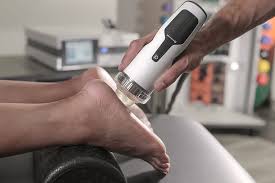
Focused Shockwave Therapy (Short Article)Focused Shockwave Therapy ek advanced non-surgical treatmen...
Read More
Cord Microcurrent Laser Therapy (Short Article)Cord Microcurrent Laser Therapy ek modern treatment t...
Read More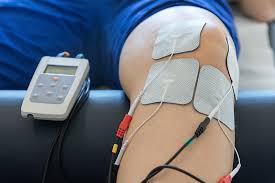
Electrotherapy kya hoti hai? (Short Article)Electrotherapy ek physiotherapy treatment hai jisme halk...
Read More
Class 4 Laser Needle Therapy (Short Article)Class 4 Laser Needle Therapy ek advanced treatment techn...
Read More
Common Neurological DisordersNeurodegenerative Diseases: Alzheimer’s disease, Parkinson's disea...
Read More