-
Magnum Physiotherapy | Contact No : +91 9998238617
Magnum Physiotherapy | Contact No : +91 9998238617
Ankle Instability refers to the inability of the ankle joint to maintain its normal position during movement, resulting in repeated episodes of the ankle “giving way.” It most commonly occurs following one or more ankle sprains, particularly injuries involving the lateral ankle ligaments.
The ankle joint relies on the coordinated function of:
When ankle ligaments are stretched or torn during a sprain, the mechanical stability of the joint may be compromised. In addition, damage to proprioceptive receptors can impair balance and joint awareness, increasing the risk of repeated sprains.
Ankle Instability can be classified into:
If left untreated, chronic ankle instability may lead to recurrent sprains, cartilage damage, early arthritis, and long-term functional limitations.
At Magnum Physiotherapy, our evidence-based rehabilitation programs focus on restoring strength, balance, mobility, and confidence in movement.
The ATFL is the most commonly injured ligament in ankle sprains.
Structural looseness of the ankle due to ligament damage.
Loss of neuromuscular control and proprioception despite normal ligament healing.
Presence of both mechanical and functional instability.
At Magnum Physiotherapy, we conduct a comprehensive assessment to determine the cause and severity of instability.
The evaluation may include:
Imaging may help identify ligament injuries or associated cartilage damage.
Our rehabilitation programs are designed to restore ankle function and prevent recurrence.
Surgery may be considered if:
Post-surgical physiotherapy is essential to restore function and optimize recovery.
Most individuals respond well to structured rehabilitation. Recovery depends on:
Early treatment significantly improves outcomes and reduces the risk of chronic instability.
At Magnum Physiotherapy, we specialize in foot and ankle rehabilitation using advanced physiotherapy techniques and evidence-based care. Our individualized treatment programs combine balance training, strengthening exercises, laser therapy, and sports rehabilitation to restore stability and prevent future injuries. We are committed to helping patients return safely to their daily activities and sports with confidence.
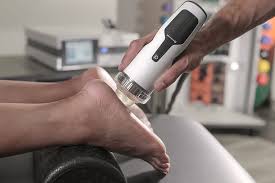
Focused Shockwave Therapy (Short Article)Focused Shockwave Therapy ek advanced non-surgical treatmen...
Read More
Cord Microcurrent Laser Therapy (Short Article)Cord Microcurrent Laser Therapy ek modern treatment t...
Read More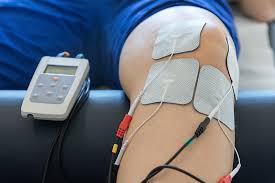
Electrotherapy kya hoti hai? (Short Article)Electrotherapy ek physiotherapy treatment hai jisme halk...
Read More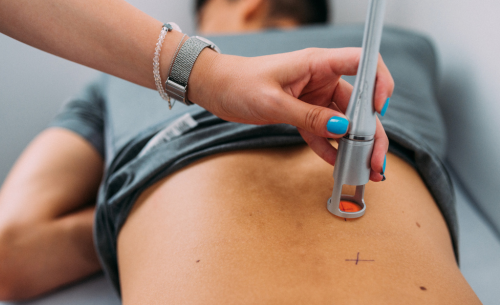
Class 4 Laser Needle Therapy (Short Article)Class 4 Laser Needle Therapy ek advanced treatment techn...
Read More
Common Neurological DisordersNeurodegenerative Diseases: Alzheimer’s disease, Parkinson's disea...
Read More