-
Magnum Physiotherapy | Contact No : +91 9998238617
Magnum Physiotherapy | Contact No : +91 9998238617
Genu Valgus is a lower limb alignment condition characterized by an inward angulation of the knees. When standing with the knees together, the ankles remain separated, giving the appearance of "knock knees."
A mild degree of genu valgus is considered a normal part of childhood development, particularly between the ages of 2 and 6 years, and often corrects naturally as the child grows. However, persistent, severe, or progressive genu valgus may require medical evaluation and physiotherapy intervention.
In adults, genu valgus can result from joint degeneration, trauma, obesity, muscle imbalance, or underlying bone disorders. Abnormal knee alignment alters the distribution of forces across the knee joint, increasing stress on the ligaments, cartilage, hips, and ankles.
If left untreated, genu valgus can lead to:
At Magnum Physiotherapy, our comprehensive approach focuses on identifying the underlying cause, correcting biomechanical deficits, improving muscle strength, and enhancing movement patterns for long-term joint health.
A normal developmental stage in children that usually resolves naturally.
Persistent or severe deformity due to underlying medical or structural causes.
Affects only one knee.
Affects both knees.
At Magnum Physiotherapy, we perform a detailed biomechanical and functional assessment to determine the severity and cause of genu valgus.
The evaluation may include:
This comprehensive assessment helps guide an individualized rehabilitation program.
Treatment depends on the patient's age, severity of deformity, symptoms, and underlying cause.
Surgical treatment may be considered if:
Physiotherapy remains essential before and after surgery for optimal outcomes.
At Magnum Physiotherapy, we specialize in pediatric and orthopedic rehabilitation using evidence-based techniques and advanced treatment technologies. Our individualized programs focus on improving alignment, movement quality, and functional independence. Through comprehensive assessment and targeted rehabilitation, we help patients achieve optimal lower limb health and long-term mobility.
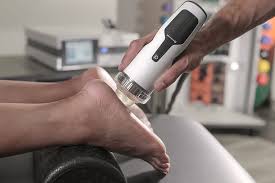
Focused Shockwave Therapy (Short Article)Focused Shockwave Therapy ek advanced non-surgical treatmen...
Read More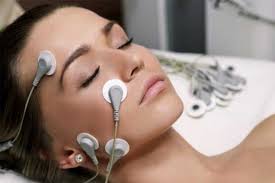
Cord Microcurrent Laser Therapy (Short Article)Cord Microcurrent Laser Therapy ek modern treatment t...
Read More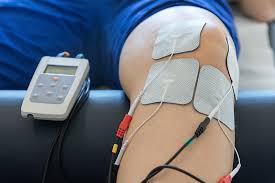
Electrotherapy kya hoti hai? (Short Article)Electrotherapy ek physiotherapy treatment hai jisme halk...
Read More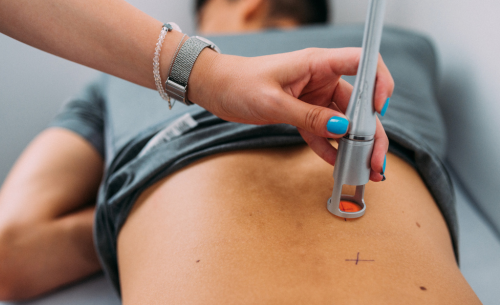
Class 4 Laser Needle Therapy (Short Article)Class 4 Laser Needle Therapy ek advanced treatment techn...
Read More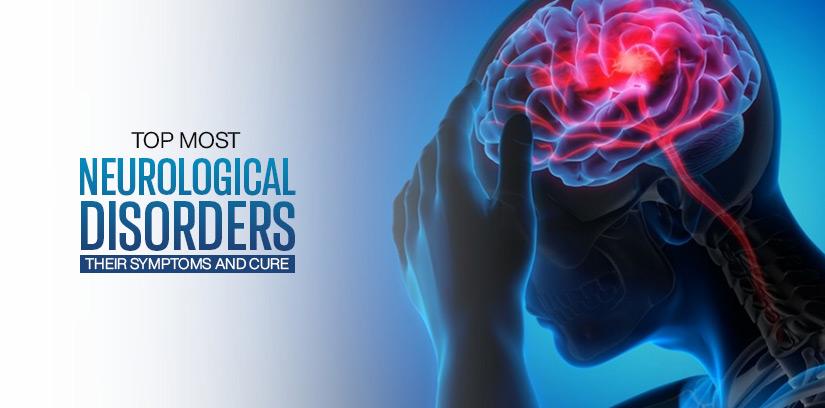
Common Neurological DisordersNeurodegenerative Diseases: Alzheimer’s disease, Parkinson's disea...
Read More