-
Magnum Physiotherapy | Contact No : +91 9998238617

Magnum Physiotherapy | Contact No : +91 9998238617
Fibromyalgia Syndrome (FMS) is a chronic disorder that affects the way the brain and nervous system process pain signals. Rather than being caused by damage to muscles or joints, fibromyalgia is believed to involve central sensitization, a condition in which the nervous system becomes more sensitive to pain and other sensory stimuli.
People with fibromyalgia often experience widespread pain throughout the body, along with symptoms that affect sleep, mood, energy levels, and cognitive function.
Fibromyalgia is a real and recognized medical condition that can significantly impact daily activities, work performance, physical fitness, and emotional well-being.
Although there is currently no cure, a combination of medical management, exercise therapy, physiotherapy, stress management, and lifestyle modifications can help control symptoms and improve function.
At Magnum Physiotherapy, our evidence-based treatment programs focus on graded exercise, pain management strategies, mobility restoration, and long-term self-management.
Fibromyalgia does not primarily involve structural damage to muscles, joints, or nerves. Instead, it is associated with altered pain processing within the:
Commonly affected regions include:
Pain can occur throughout the body and may shift from one area to another.
Symptoms often fluctuate and may worsen during flare-ups.
The exact cause of fibromyalgia remains unclear, but several factors may contribute.
There is no single laboratory test that confirms fibromyalgia.
Diagnosis is based on:
Healthcare providers may evaluate:
Blood tests may be performed to rule out other conditions such as:
At Magnum Physiotherapy, we assess:
Effective management requires a multidisciplinary approach.
Patients learn:
Carefully structured exercise programs designed to improve fitness without triggering symptom flare-ups.
Depending on patient tolerance:
May include:
Successful management often includes:
Gradual and consistent activity is generally more beneficial than prolonged inactivity.
Fibromyalgia is a chronic condition, but symptoms can often be effectively managed.
Outcomes improve with:
Many individuals experience significant improvements in function and quality of life with comprehensive care.
Consult a healthcare professional if you experience:
Early diagnosis and treatment can help improve long-term outcomes.
At Magnum Physiotherapy, we provide compassionate, evidence-based care for individuals living with Fibromyalgia Syndrome. Our personalized rehabilitation programs focus on improving mobility, building endurance, managing pain, restoring function, and empowering patients to regain control of their health and well-being.

Focused Shockwave Therapy (Short Article)Focused Shockwave Therapy ek advanced non-surgical treatmen...
Read More
Cord Microcurrent Laser Therapy (Short Article)Cord Microcurrent Laser Therapy ek modern treatment t...
Read More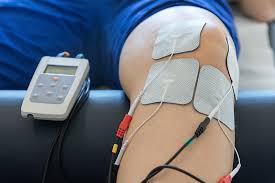
Electrotherapy kya hoti hai? (Short Article)Electrotherapy ek physiotherapy treatment hai jisme halk...
Read More
Class 4 Laser Needle Therapy (Short Article)Class 4 Laser Needle Therapy ek advanced treatment techn...
Read More
Common Neurological DisordersNeurodegenerative Diseases: Alzheimer’s disease, Parkinson's disea...
Read More