The supraspinatus muscle is one of the four muscles that form the rotator cuff of the shoulder. Its tendon passes beneath the acromion (a bony projection of the shoulder blade) and attaches to the top of the humerus (upper arm bone).
The supraspinatus plays a crucial role in:
-
Initiating shoulder abduction (lifting the arm away from the body)
-
Stabilizing the shoulder joint
-
Maintaining proper shoulder mechanics during movement
Supraspinatus Tendinitis occurs when the tendon becomes inflamed, irritated, or degenerates due to overuse, repetitive stress, or age-related wear and tear. In many cases, the condition progresses from acute inflammation (tendinitis) to chronic tendon degeneration (tendinopathy).
The tendon is particularly vulnerable because it passes through the subacromial space, where it may become compressed during arm movements, leading to shoulder impingement syndrome.
If left untreated, supraspinatus tendinitis can progress to:
-
Partial tendon tears
-
Full-thickness rotator cuff tears
-
Chronic shoulder pain
-
Reduced shoulder function
At Magnum Physiotherapy, our evidence-based rehabilitation programs focus on reducing pain, correcting biomechanics, restoring strength, and preventing recurrence.
Anatomy Involved
Rotator Cuff Muscles
-
Supraspinatus – initiates arm elevation
-
Infraspinatus – external rotation
-
Teres Minor – external rotation and stability
-
Subscapularis – internal rotation
Other Structures Commonly Involved
-
Subacromial Bursa
-
Acromion
-
Glenohumeral Joint
-
Biceps Tendon
-
Scapular Stabilizing Muscles
Common Symptoms
-
Pain on the outer or upper shoulder
-
Pain when lifting the arm
-
Difficulty reaching overhead
-
Pain during dressing or grooming
-
Night pain, especially when lying on the affected side
-
Shoulder weakness
-
Pain while throwing or lifting objects
-
Clicking or catching sensation
-
Reduced range of motion
-
Stiffness after periods of rest
Causes & Risk Factors
Overuse Causes
-
Repetitive overhead activities
-
Throwing sports
-
Swimming
-
Tennis
-
Weightlifting
Occupational Causes
-
Painting
-
Carpentry
-
Construction work
-
Repetitive lifting
Biomechanical Factors
-
Poor posture
-
Scapular dyskinesis
-
Shoulder instability
-
Muscle imbalance
Degenerative Causes
-
Age-related tendon changes
-
Reduced blood supply to the tendon
Risk Factors
-
Age above 40 years
-
Previous shoulder injuries
-
Repetitive overhead work
-
Poor shoulder mechanics
Types of Supraspinatus Tendon Injury
Acute Tendinitis
Sudden inflammation caused by overuse or injury.
Chronic Tendinopathy
Long-term degeneration of the tendon.
Partial Thickness Tear
Only part of the tendon fibers are torn.
Full Thickness Tear
Complete rupture of the tendon.
Conditions Associated with Supraspinatus Tendinitis
-
Shoulder Impingement Syndrome
-
Rotator Cuff Tear
-
Subacromial Bursitis
-
Adhesive Capsulitis (Frozen Shoulder)
-
Biceps Tendinopathy
-
Acromioclavicular Joint Dysfunction
-
Glenohumeral Instability
Diagnosis
At Magnum Physiotherapy, we conduct a comprehensive shoulder assessment to identify tendon involvement and contributing factors.
The evaluation may include:
-
Detailed medical history
-
Pain assessment
-
Range of motion testing
-
Muscle strength assessment
-
Scapular movement analysis
-
Postural assessment
-
Functional evaluation
Special Clinical Tests
-
Empty Can (Jobe) Test
-
Hawkins-Kennedy Test
-
Neer Impingement Test
-
Painful Arc Test
-
Drop Arm Test
Imaging Studies
-
Ultrasound
-
MRI scans
-
X-rays (to identify bone spurs or arthritis)
Treatment at Magnum Physiotherapy
Our treatment focuses on reducing pain, promoting tendon healing, and restoring shoulder function.
Advanced Physiotherapy Treatments
-
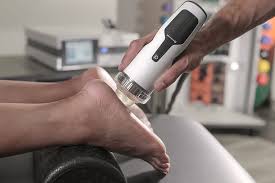
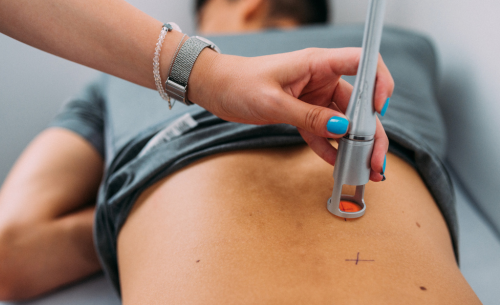
Class IV Laser Therapy
-
Therapeutic Ultrasound
-
Frequency Specific Microcurrent (FSM)
-
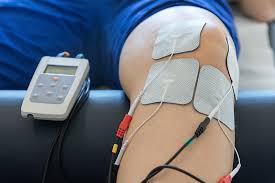
TENS Therapy
-
Interferential Therapy (IFT)
-
Dry Needling
-
Kinesio Taping®
Manual Therapy
-
Joint Mobilization
-
Soft Tissue Mobilization
-
Myofascial Release
-
Trigger Point Therapy
Rehabilitation Programs
Early Phase
-
Pain management
-
Activity modification
-
Gentle mobility exercises
-
Pendulum exercises
Strengthening Phase
-
Rotator cuff strengthening
-
Scapular stabilization exercises
-
Resistance band exercises
-
Eccentric loading programs
Functional Rehabilitation
-
Postural correction
-
Neuromuscular re-education
-
Ergonomic training
-
Sports-specific rehabilitation
-
Return-to-work programs
Home Exercise Programs
Individualized exercise plans for long-term recovery.
Benefits of Physiotherapy for Supraspinatus Tendinitis
-
Reduces pain and inflammation
-
Restores shoulder mobility
-
Strengthens the rotator cuff
-
Improves shoulder stability
-
Corrects movement patterns
-
Enhances posture
-
Prevents recurrence
-
Supports return to sports and work
-
Reduces risk of tendon tears
-
Improves quality of life
When Is Surgery Needed?
Surgery may be considered when:
-
Conservative treatment fails
-
Large or complete tendon tears occur
-
Significant weakness persists
-
Functional limitations are severe
Post-surgical physiotherapy is essential for optimal recovery.
Recovery & Prognosis
Recovery depends on:
-
Severity of tendon injury
-
Duration of symptoms
-
Patient age and activity level
-
Compliance with rehabilitation
Mild cases may recover within 6–12 weeks, while chronic cases or tendon tears may require several months of rehabilitation.
Prevention Tips
-
Warm up before exercise
-
Strengthen rotator cuff muscles
-
Improve posture
-
Avoid repetitive overhead strain
-
Use proper lifting techniques
-
Address shoulder pain early
-
Maintain shoulder flexibility
Why Choose Magnum Physiotherapy?
At Magnum Physiotherapy, we specialize in advanced shoulder rehabilitation using evidence-based physiotherapy and modern technologies. Our personalized treatment programs combine manual therapy, Laser Therapy, FSM, and targeted exercises to relieve pain, restore movement, and help patients return safely to work, sports, and daily activities.