-
Magnum Physiotherapy | Contact No : +91 9998238617

Magnum Physiotherapy | Contact No : +91 9998238617
A Ganglion Cyst is a benign sac filled with thick, jelly-like fluid that arises from a joint capsule or tendon sheath. The cyst forms when synovial fluid leaks from a joint or tendon sheath and accumulates in a small sac beneath the skin.
Ganglion cysts are most commonly found:
While many ganglion cysts are painless, some can compress nearby nerves or structures, resulting in pain, tingling, weakness, or reduced mobility.
Although ganglion cysts are not dangerous and may resolve on their own, persistent or symptomatic cysts may require treatment.
At Magnum Physiotherapy, our goal is to help reduce discomfort, restore mobility, improve hand and wrist function, and support long-term symptom management.
The wrist contains:
Ganglion cysts commonly arise from these structures.
Protective coverings surrounding tendons that facilitate smooth movement.
Ganglion cysts may develop from tendon sheaths due to irritation or repetitive stress.
A lubricating fluid found within joints and tendon sheaths.
This fluid fills the ganglion cyst.
The most common type.
Located on:
Often becomes more noticeable during wrist extension.
Located on:
May be positioned near important nerves and blood vessels.
Occurs near the end joint of a finger.
Often associated with:
Develops near the base of the fingers.
May cause discomfort during gripping activities.
Many ganglion cysts cause no symptoms.
When symptoms occur, they may include:
Symptoms may fluctuate depending on activity levels.
The exact cause is not always known.
Diagnosis is often straightforward through physical examination.
A healthcare provider evaluates:
Used to confirm fluid-filled nature of the cyst.
May be recommended when:
May identify associated arthritis or joint changes.
At Magnum Physiotherapy, we assess:
Treatment depends on symptoms, size, and functional impact.
Many ganglion cysts:
Monitoring may be appropriate in asymptomatic cases.
Reducing aggravating activities may help minimize symptoms.
Designed to:
Focus on:
Helps reduce repetitive strain and joint stress.
May include:
Depending on individual needs:
For persistent or symptomatic cysts, medical interventions may include:
A physician removes fluid from the cyst using a needle.
However, recurrence is relatively common.
Occasionally used in selected cases.
Recommended when:
Surgery removes the cyst and its stalk to reduce recurrence risk.
Physiotherapy after surgery may focus on:
The outlook for ganglion cysts is generally excellent.
Recovery following surgery often takes several weeks, depending on the cyst location and procedure performed.
Although uncommon, complications may include:
Appropriate rehabilitation helps reduce these risks.
While prevention is not always possible, the following may help:
Consult a healthcare professional if you experience:
Early evaluation can help determine the most appropriate treatment approach.
At Magnum Physiotherapy, we specialize in hand, wrist, and upper extremity rehabilitation. Our evidence-based Ganglion Cyst management programs focus on reducing symptoms, restoring mobility, improving strength, and helping patients return confidently to work, sports, and everyday activities.
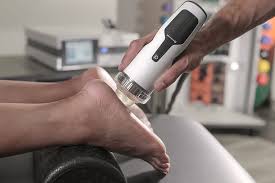
Focused Shockwave Therapy (Short Article)Focused Shockwave Therapy ek advanced non-surgical treatmen...
Read More
Cord Microcurrent Laser Therapy (Short Article)Cord Microcurrent Laser Therapy ek modern treatment t...
Read More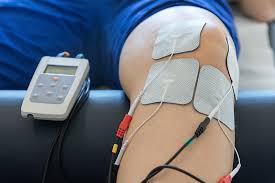
Electrotherapy kya hoti hai? (Short Article)Electrotherapy ek physiotherapy treatment hai jisme halk...
Read More
Class 4 Laser Needle Therapy (Short Article)Class 4 Laser Needle Therapy ek advanced treatment techn...
Read More
Common Neurological DisordersNeurodegenerative Diseases: Alzheimer’s disease, Parkinson's disea...
Read More