-
Magnum Physiotherapy | Contact No : +91 9998238617
Magnum Physiotherapy | Contact No : +91 9998238617
Golfer's Elbow (Medial Epicondylitis) is a condition involving irritation, microtrauma, or degeneration of the tendons that attach the forearm flexor muscles to the medial epicondyle, the bony prominence on the inner side of the elbow.
Despite its name, Golfer's Elbow is not limited to golfers. It commonly affects individuals who perform repetitive gripping, lifting, throwing, wrist bending, or forceful hand activities. Over time, repeated stress can lead to tendon overload, causing pain and reduced function.
The condition often develops gradually and may worsen if repetitive activities continue without adequate recovery.
Commonly affected individuals include:
At Magnum Physiotherapy, our evidence-based treatment programs focus on reducing pain, promoting tendon recovery, restoring strength, correcting movement patterns, and helping patients return safely to work, sports, and daily activities.
A bony prominence located on the inner side of the elbow.
The forearm flexor tendons attach to this structure.
A shared tendon connecting several forearm muscles to the medial epicondyle.
These muscles are responsible for:
This tendon is the primary structure affected in Golfer's Elbow.
Key muscles involved include:
In some cases, symptoms may radiate down the forearm.
The most common cause of Golfer's Elbow.
Activities involving repeated wrist flexion and gripping can overload the tendons.
Common in:
Jobs involving repetitive hand and wrist use may increase risk.
Examples include:
Improper sports mechanics or workplace ergonomics can contribute to tendon overload.
A thorough evaluation helps confirm the diagnosis and rule out other causes of elbow pain.
At Magnum Physiotherapy, assessment includes:
Pain reproduction may indicate medial epicondylitis.
May help identify involvement of the flexor-pronator tendon group.
May reveal tendon degeneration or inflammation.
Can assess tendon damage and exclude other conditions.
Occasionally used to rule out arthritis or bone-related conditions.
Most patients improve with conservative treatment.
Focuses on:
Progressive strengthening is critical for tendon recovery.
Helps stimulate tendon remodeling and improve tendon capacity.
Improves forearm function and resilience.
Restores hand and forearm strength.
Addresses contributing biomechanical factors.
Focuses on:
Includes:
Depending on individual needs:
Counterforce straps may help reduce tendon loading during activity.
A physician may recommend:
In selected cases:
Rarely required but may be considered for persistent symptoms that fail conservative treatment.
Recovery depends on:
Mild Cases
Moderate Cases
Chronic Cases
Most patients achieve excellent outcomes with appropriate physiotherapy and gradual return to activity.
Early intervention helps reduce these risks.
Consult a healthcare professional if you experience:
Early treatment can accelerate recovery and prevent chronic tendon problems.
At Magnum Physiotherapy, we specialize in treating tendon injuries and repetitive strain conditions. Our personalized Golfer's Elbow treatment programs combine evidence-based physiotherapy, manual therapy, progressive strengthening, movement retraining, and injury prevention strategies to help patients recover fully and return confidently to work, sports, and daily activities.
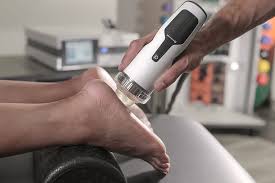
Focused Shockwave Therapy (Short Article)Focused Shockwave Therapy ek advanced non-surgical treatmen...
Read More
Cord Microcurrent Laser Therapy (Short Article)Cord Microcurrent Laser Therapy ek modern treatment t...
Read More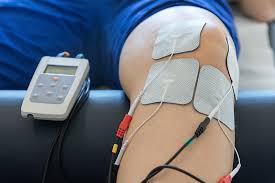
Electrotherapy kya hoti hai? (Short Article)Electrotherapy ek physiotherapy treatment hai jisme halk...
Read More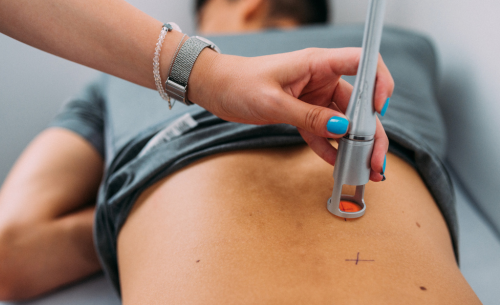
Class 4 Laser Needle Therapy (Short Article)Class 4 Laser Needle Therapy ek advanced treatment techn...
Read More
Common Neurological DisordersNeurodegenerative Diseases: Alzheimer’s disease, Parkinson's disea...
Read More