-
Magnum Physiotherapy | Contact No : +91 9998238617
Magnum Physiotherapy | Contact No : +91 9998238617
The Posterior Cruciate Ligament (PCL) is one of the two cruciate ligaments located within the center of the knee joint. It is stronger and thicker than the Anterior Cruciate Ligament (ACL) and serves as the primary restraint against backward movement of the tibia.
A PCL Injury occurs when the ligament is overstretched or torn due to excessive force. While less common than ACL injuries, PCL tears can significantly impact knee stability and long-term joint health if left untreated.
PCL injuries may occur in isolation or in combination with injuries to other knee structures such as:
Many isolated PCL injuries respond well to conservative treatment and physiotherapy, while severe or multi-ligament injuries may require surgical reconstruction.
At Magnum Physiotherapy, our evidence-based rehabilitation programs focus on restoring mobility, rebuilding strength, improving neuromuscular control, and helping patients return to sports and everyday activities safely.
Located in the center of the knee joint.
The PCL works alongside:
To maintain knee stability and function.
Often associated with more severe trauma.
Symptoms may vary depending on the severity of the injury.
A common cause of PCL tears.
Occurs when the front of a bent knee strikes the dashboard during a motor vehicle accident.
Common in:
Falling directly onto a bent knee can injure the PCL.
Excessive bending of the knee may overstress the ligament.
A comprehensive evaluation helps determine injury severity and guide treatment.
At Magnum Physiotherapy, assessment includes:
The primary clinical test used to assess PCL integrity.
May indicate posterior displacement of the tibia.
Assesses functional stability of the PCL.
The gold standard imaging test for evaluating:
May identify fractures or avulsion injuries.
Many isolated PCL injuries can be successfully treated without surgery.
Focuses on:
Exercises are progressed carefully according to healing guidelines.
A critical component of recovery.
Strong quadriceps help support knee stability and compensate for PCL deficiency.
Improves lower limb alignment and movement control.
Enhances overall stability and function.
Supports return to daily activities.
Focuses on:
Includes:
Depending on patient needs:
May be used during recovery to improve knee stability.
May be recommended when:
Post-operative physiotherapy is essential for successful outcomes.
Recovery depends on:
Grade I
Grade II
Grade III
Post-Surgical Recovery
Most patients experience significant improvement and can return to their desired activities with appropriate rehabilitation.
Early rehabilitation can help minimize these risks.
Consult a healthcare professional if you experience:
Prompt diagnosis and treatment can improve recovery outcomes and reduce the risk of long-term complications.
At Magnum Physiotherapy, we specialize in sports injury rehabilitation and orthopedic care. Our personalized PCL Injury treatment programs combine evidence-based physiotherapy, strengthening exercises, neuromuscular rehabilitation, movement retraining, and return-to-sport conditioning to help patients recover safely and regain full knee function.
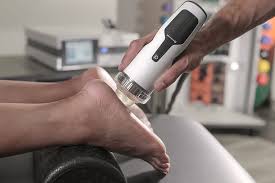
Focused Shockwave Therapy (Short Article)Focused Shockwave Therapy ek advanced non-surgical treatmen...
Read More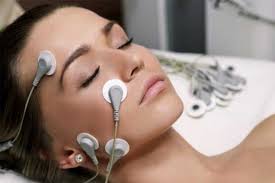
Cord Microcurrent Laser Therapy (Short Article)Cord Microcurrent Laser Therapy ek modern treatment t...
Read More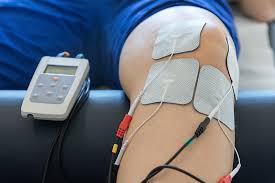
Electrotherapy kya hoti hai? (Short Article)Electrotherapy ek physiotherapy treatment hai jisme halk...
Read More
Class 4 Laser Needle Therapy (Short Article)Class 4 Laser Needle Therapy ek advanced treatment techn...
Read More
Common Neurological DisordersNeurodegenerative Diseases: Alzheimer’s disease, Parkinson's disea...
Read More