-
Magnum Physiotherapy | Contact No : +91 9998238617

Magnum Physiotherapy | Contact No : +91 9998238617
Migraine is a complex neurological disorder that causes recurrent episodes of headache and associated symptoms. Unlike a typical headache, migraines often involve changes in brain activity, nerve signaling, and blood vessel function.
Migraine attacks can last anywhere from a few hours to several days and may occur occasionally or multiple times per month. Symptoms vary between individuals and can significantly impact daily life.
Some people experience warning signs known as an aura before a migraine attack. Aura symptoms may include visual disturbances, sensory changes, or speech difficulties.
Although the exact cause of migraines is not fully understood, genetic, neurological, hormonal, environmental, and lifestyle factors are believed to contribute.
At Magnum Physiotherapy, our evidence-based approach focuses on identifying musculoskeletal triggers, improving posture, reducing neck and shoulder tension, enhancing movement patterns, and supporting overall migraine management alongside medical care.
The most common type of migraine.
Symptoms include:
Without preceding neurological symptoms.
Occurs with temporary neurological symptoms before or during the headache phase.
Common aura symptoms include:
Defined as headaches occurring:
With migraine features on multiple days.
Primarily associated with:
A rare type of migraine causing temporary weakness on one side of the body.
Migraine involves abnormal activation of pain pathways within the brain and nervous system.
This nerve plays a major role in migraine pain generation and symptom development.
Changes in blood vessel activity may contribute to migraine symptoms.
Neck dysfunction and muscular tension can contribute to migraine frequency and severity in some individuals.
Migraines often run in families.
Common triggers include fluctuations in:
Potential triggers include:
Examples include:
Neck dysfunction and poor posture may contribute to symptoms in some individuals.
Diagnosis is primarily based on:
A physician may assess:
MRI or CT imaging may be ordered when:
Physiotherapy can be highly beneficial for individuals whose migraines are associated with neck dysfunction, muscle tension, posture issues, or movement impairments.
Improves:
Poor posture may contribute to headache frequency and intensity.
May include:
These techniques may help reduce muscular tension and improve mobility.
Designed to:
Focuses on:
Improves cervical stability.
Enhances posture and upper body support.
Promotes overall postural control.
Can help reduce:
Addresses:
Depending on individual needs:
A physician may recommend:
For frequent migraines:
May be used for chronic migraine management.
Migraine is often a chronic condition, but symptoms can frequently be managed effectively.
Outcomes depend on:
Many individuals experience significant improvements in symptom frequency and severity with a comprehensive treatment approach.
Early management can help reduce these risks.
Seek immediate medical attention if you experience:
Consult a healthcare professional if migraines are frequent, severe, or interfering with daily life.
At Magnum Physiotherapy, we provide individualized migraine management programs that address musculoskeletal contributors, posture, neck dysfunction, movement impairments, and lifestyle factors. Our evidence-based approach combines manual therapy, therapeutic exercise, ergonomic education, and rehabilitation strategies to help reduce symptoms and improve overall quality of life.
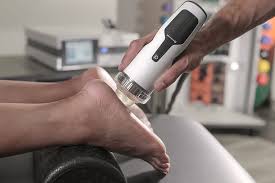
Focused Shockwave Therapy (Short Article)Focused Shockwave Therapy ek advanced non-surgical treatmen...
Read More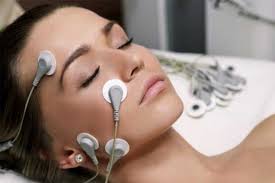
Cord Microcurrent Laser Therapy (Short Article)Cord Microcurrent Laser Therapy ek modern treatment t...
Read More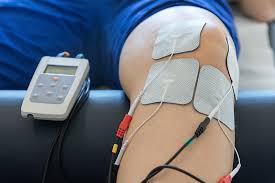
Electrotherapy kya hoti hai? (Short Article)Electrotherapy ek physiotherapy treatment hai jisme halk...
Read More
Class 4 Laser Needle Therapy (Short Article)Class 4 Laser Needle Therapy ek advanced treatment techn...
Read More
Common Neurological DisordersNeurodegenerative Diseases: Alzheimer’s disease, Parkinson's disea...
Read More