Logo

Cervicogenic Headache


Cervicogenic Headache (CGH) is a headache caused by disorders of the cervical spine, including the joints, muscles, ligaments, discs, or nerves of the neck. Unlike primary headaches such as migraines or tension-type headaches, cervicogenic headaches arise from a specific source in the neck.

The pain occurs due to convergence of sensory nerve fibers from the upper cervical spine (C1–C3) and the trigeminal nerve within the brainstem. Because these nerve pathways overlap, pain originating in the neck may be perceived as a headache.

The condition often develops gradually and may become chronic if not properly treated.

Common cervical structures involved include:

  • Upper cervical facet joints
  • Cervical muscles
  • Intervertebral discs
  • Ligaments
  • Nerve structures

Cervicogenic headaches commonly occur after:

  • Poor posture
  • Neck injuries
  • Whiplash trauma
  • Prolonged computer use
  • Degenerative changes of the cervical spine

At Magnum Physiotherapy, our evidence-based treatment focuses on correcting the underlying neck dysfunction rather than simply masking headache symptoms.

Anatomy Involved

Cervical Vertebrae

  • C1 (Atlas)
  • C2 (Axis)
  • C3 Vertebra

Joints

  • Atlanto-occipital joint
  • Atlanto-axial joint
  • Cervical facet joints

Muscles

  • Suboccipital muscles
  • Upper trapezius
  • Sternocleidomastoid (SCM)
  • Levator scapulae
  • Deep cervical flexors

Neural Structures

  • Greater occipital nerve
  • Upper cervical nerve roots (C1–C3)

Common Symptoms

  • One-sided headache (may occasionally affect both sides)
  • Pain beginning in the neck and radiating to the head
  • Headache aggravated by neck movement
  • Neck pain and stiffness
  • Reduced neck mobility
  • Pain around the eye or forehead
  • Shoulder or upper back pain
  • Tenderness in neck muscles
  • Headache triggered by prolonged posture
  • Pain during computer work or reading

Causes & Risk Factors

Cervical Spine Disorders

  • Cervical spondylosis
  • Facet joint dysfunction
  • Disc degeneration
  • Cervical instability

Muscular Causes

  • Muscle tightness
  • Trigger points
  • Weak deep neck flexors

Trauma

  • Whiplash injuries
  • Sports injuries
  • Falls

Postural Factors

  • Forward head posture
  • Poor ergonomics
  • Prolonged desk work

Risk Factors

  • Sedentary lifestyle
  • Repetitive neck movements
  • Chronic neck pain
  • Stress

Conditions Associated with Cervicogenic Headache

  • Whiplash-Associated Disorder (WAD)
  • Cervical Spondylosis
  • Cervical Disc Disease
  • Myofascial Pain Syndrome
  • Upper Crossed Syndrome
  • Temporomandibular Joint Dysfunction (TMJ)
  • Poor Posture Syndrome

Diagnosis

Diagnosis is based on clinical assessment and exclusion of other headache types.

At Magnum Physiotherapy, assessment may include:

  • Detailed medical history
  • Headache pattern analysis
  • Cervical range of motion testing
  • Postural assessment
  • Muscle strength testing
  • Joint mobility examination
  • Trigger point evaluation
  • Functional assessment

Imaging may be recommended when necessary:

  • X-rays
  • MRI scans
  • CT scans

Imaging helps identify underlying cervical pathology and rule out other conditions.

Differential Diagnosis

Cervicogenic headache should be differentiated from:

  • Migraine
  • Tension-Type Headache
  • Occipital Neuralgia
  • Cluster Headache
  • Temporomandibular Disorders (TMD)

Accurate diagnosis is essential because treatment differs significantly.

Treatment at Magnum Physiotherapy

Physiotherapy is considered one of the most effective treatments for cervicogenic headache.

Manual Therapy

  • Cervical Joint Mobilization
  • Soft Tissue Mobilization
  • Myofascial Release
  • Trigger Point Therapy

Advanced Physiotherapy Treatments

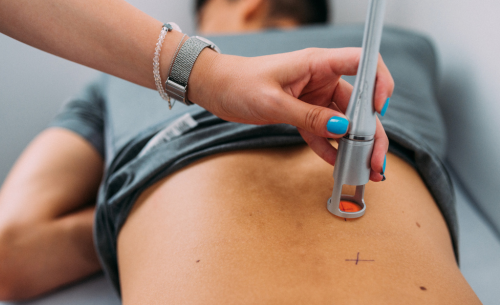
  • Class IV Laser Therapy
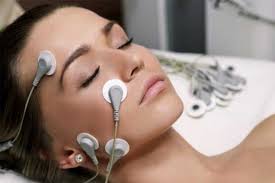
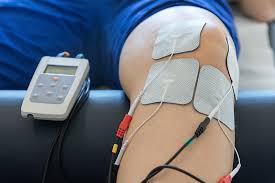
  • TENS Therapy
  • Interferential Therapy (IFT)
  • Dry Needling
  • Therapeutic Ultrasound
  • Frequency Specific Microcurrent (FSM)

Rehabilitation Programs

Mobility Exercises

  • Cervical range of motion exercises
  • Upper cervical mobility exercises
  • Stretching programs

Strengthening Exercises

  • Deep cervical flexor training
  • Scapular stabilization exercises
  • Postural strengthening

Functional Rehabilitation

  • Ergonomic correction
  • Postural re-education
  • Workplace modification
  • Home exercise programs

Benefits of Physiotherapy for Cervicogenic Headache

  • Reduces headache frequency
  • Decreases pain intensity
  • Improves neck mobility
  • Corrects posture
  • Relieves muscle tension
  • Improves strength and stability
  • Reduces reliance on medication
  • Prevents recurrence
  • Enhances daily function
  • Improves quality of life

Prevention Tips

  • Maintain proper posture
  • Adjust workstation ergonomics
  • Take regular breaks during desk work
  • Strengthen neck and shoulder muscles
  • Avoid prolonged neck flexion
  • Sleep with appropriate pillow support
  • Stay physically active

Recovery & Prognosis

Most patients respond well to physiotherapy and conservative treatment.

Recovery depends on:

  • Duration of symptoms
  • Severity of cervical dysfunction
  • Adherence to rehabilitation
  • Correction of postural habits

Early intervention generally leads to faster recovery and better long-term outcomes.

When Should You Seek Medical Attention?

Seek immediate medical evaluation if headache is associated with:

  • Sudden severe onset ("thunderclap headache")
  • Vision loss
  • Difficulty speaking
  • Weakness or numbness
  • Fever or neck rigidity
  • Loss of consciousness

These symptoms may indicate serious medical conditions requiring urgent care.

Why Choose Magnum Physiotherapy?

At Magnum Physiotherapy, we specialize in spine and headache rehabilitation using evidence-based physiotherapy and advanced technologies. Our individualized programs combine manual therapy, posture correction, Laser Therapy, and targeted exercises to address the root cause of cervicogenic headaches and restore pain-free movement.
Our Blog

Chat with us Call us