Hallux Valgus is one of the most common foot deformities and occurs when the first metatarsophalangeal (MTP) joint gradually shifts out of alignment.
In this condition:
-
The big toe (hallux) deviates toward the second toe.
-
The first metatarsal bone shifts inward.
-
A prominent bony bump (bunion) develops on the inner side of the foot.
Over time, the deformity may progress and lead to:
-
Joint pain
-
Inflammation
-
Difficulty walking
-
Shoe-fitting problems
-
Secondary deformities of the lesser toes
Hallux Valgus is often progressive and may worsen without appropriate management.
Although bunions are more common in women, they can affect individuals of all ages and activity levels.
At Magnum Physiotherapy, our evidence-based treatment programs focus on pain relief, improving foot alignment, strengthening supporting muscles, and optimizing function.
Anatomy Involved
Bones
-
First Metatarsal
-
Proximal Phalanx of the Hallux
-
Sesamoid Bones
Joint
-
First Metatarsophalangeal (MTP) Joint
Soft Tissue Structures
-
Joint capsule
-
Ligaments
-
Tendons
-
Plantar plate
-
Intrinsic foot muscles
As the deformity progresses, soft tissues around the joint become imbalanced, contributing to further misalignment.
Common Symptoms
-
Prominent bump on the inner side of the foot
-
Pain at the base of the big toe
-
Swelling and redness around the joint
-
Difficulty wearing shoes
-
Skin irritation or callus formation
-
Stiffness of the big toe joint
-
Reduced range of motion
-
Overlapping or crowding of toes
-
Pain during walking or standing
-
Difficulty with sports activities
Symptoms often worsen with tight or narrow footwear.
Causes & Risk Factors
Biomechanical Factors
-
Flat feet (Pes Planus)
-
Excessive pronation
-
Ligament laxity
-
Muscle imbalance
Genetic Factors
-
Family history of bunions
-
Inherited foot structure
Footwear Factors
-
Narrow toe-box shoes
-
High heels
-
Poorly fitting footwear
Medical Conditions
-
Rheumatoid Arthritis
-
Neuromuscular disorders
Risk Factors
-
Female gender
-
Increasing age
-
Occupational standing
-
Previous foot injuries
Severity of Hallux Valgus
Mild
-
Small deviation of the big toe
-
Minimal symptoms
Moderate
-
Increased deformity
-
Pain with activities
Severe
-
Significant toe deviation
-
Difficulty walking
-
Secondary toe deformities
Conditions Associated with Hallux Valgus
-
Metatarsalgia
-
Hammertoes
-
Morton’s Neuroma
-
Flat Feet (Pes Planus)
-
First MTP Joint Arthritis
-
Bursitis
-
Calluses and Corns
Diagnosis
At Magnum Physiotherapy, we perform a comprehensive foot assessment to determine the severity of the deformity and contributing factors.
Evaluation may include:
-
Detailed medical history
-
Pain assessment
-
Foot posture analysis
-
Gait analysis
-
Joint mobility testing
-
Muscle strength evaluation
-
Functional movement assessment
Imaging Studies
-
Weight-bearing X-rays
-
Ultrasound (when indicated)
X-rays help evaluate:
-
Hallux Valgus angle
-
Joint alignment
-
Degree of deformity
-
Presence of arthritis
Treatment at Magnum Physiotherapy
Although physiotherapy cannot reverse advanced bony deformities, it can effectively reduce symptoms, improve function, and slow progression.
Conservative Management
-
Activity modification
-
Footwear advice
-
Weight management guidance
-
Padding and protection
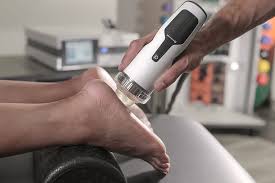
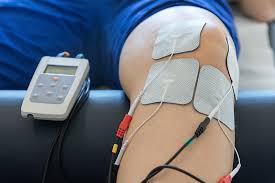
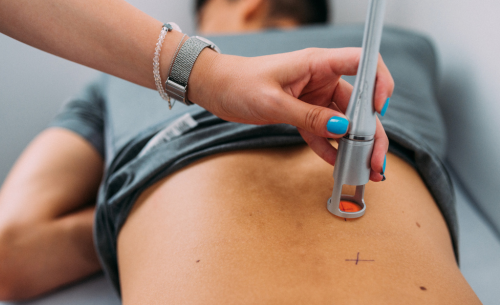
Advanced Physiotherapy Treatments
-
Class IV Laser Therapy
-
TENS Therapy
-
Interferential Therapy (IFT)
-
Therapeutic Ultrasound
-
Kinesio Taping®
-
Soft Tissue Mobilization
Rehabilitation Programs
Mobility Exercises
-
Big toe range of motion exercises
-
Joint mobilization techniques
-
Calf stretching exercises
Strengthening Exercises
-
Intrinsic foot muscle strengthening
-
Arch strengthening exercises
-
Toe-spreading exercises
-
Lower limb strengthening
Functional Rehabilitation
-
Gait retraining
-
Balance exercises
-
Proprioception training
-
Activity modification strategies
Home Exercise Programs
Customized exercise plans to maintain long-term foot health.
Orthotic & Supportive Management
Supportive devices may include:
-
Custom foot orthotics
-
Toe spacers
-
Bunion pads
-
Night splints
-
Wide toe-box footwear
These interventions help reduce pressure and improve alignment.
Benefits of Physiotherapy for Bunions
-
Reduces pain and inflammation
-
Improves foot mechanics
-
Enhances joint mobility
-
Strengthens supporting muscles
-
Improves walking ability
-
Reduces pressure on the bunion
-
Delays progression of deformity
-
Improves balance and stability
-
Supports daily activities
-
Enhances quality of life
When Is Surgery Needed?
Surgery may be considered when:
-
Pain persists despite conservative treatment
-
Walking becomes significantly limited
-
Severe deformity develops
-
Shoe fitting becomes difficult
Common procedures include:
-
Osteotomy
-
Bunionectomy
-
Joint fusion in severe cases
Post-surgical physiotherapy is essential for restoring mobility and function.
Recovery & Prognosis
Recovery depends on:
-
Severity of deformity
-
Symptom duration
-
Compliance with treatment
-
Footwear modifications
Early intervention often helps slow progression and improve symptoms.
Prevention Tips
-
Wear shoes with a wide toe box
-
Avoid prolonged use of high heels
-
Strengthen foot muscles regularly
-
Maintain a healthy body weight
-
Address foot pain early
-
Use orthotics if recommended
Why Choose Magnum Physiotherapy?
At Magnum Physiotherapy, we specialize in advanced foot and ankle rehabilitation using evidence-based physiotherapy and modern technologies. Our personalized treatment programs combine manual therapy, Laser Therapy, gait retraining, and targeted exercises to reduce pain, improve foot mechanics, and help patients maintain active lifestyles.