-
Magnum Physiotherapy | Contact No : +91 9998238617

Magnum Physiotherapy | Contact No : +91 9998238617
Urinary Incontinence (UI) refers to the unintentional loss of urine resulting from dysfunction of the bladder, urethra, pelvic floor muscles, or nervous system. It is not a disease itself but a symptom of an underlying problem affecting the urinary system.
The urinary system consists of:
The bladder stores urine until it is appropriate to empty. Pelvic floor muscles and the urinary sphincters help maintain continence by supporting the bladder and controlling urine flow.
When these structures become weakened, damaged, overactive, or neurologically impaired, urinary leakage may occur.
Urinary incontinence can range from occasional leakage during coughing or exercise to complete loss of bladder control. Although common, it is not a normal part of aging and can often be effectively treated with conservative management, including physiotherapy.
At Magnum Physiotherapy, our pelvic health specialists provide individualized, evidence-based rehabilitation to help patients regain bladder control and improve quality of life.
Leakage occurs when increased abdominal pressure exceeds the ability of the pelvic floor muscles to maintain continence.
Common triggers include:
This is the most common type in women.
Characterized by a sudden, strong urge to urinate followed by involuntary leakage.
Often associated with:
A combination of stress and urge urinary incontinence.
Occurs when the bladder does not empty completely, leading to overflow leakage.
Common causes include:
Urinary leakage occurs because physical or cognitive limitations prevent reaching the toilet in time.
At Magnum Physiotherapy, we conduct a comprehensive pelvic health assessment.
The evaluation may include:
Additional medical investigations may include:
Physiotherapy is considered a first-line treatment for many forms of urinary incontinence.
Consult a healthcare professional if you experience:
These symptoms may indicate an underlying medical condition requiring further evaluation.
Many individuals experience significant improvement with pelvic floor rehabilitation and lifestyle modifications. Early intervention often leads to better outcomes and may reduce the need for medication or surgery.
At Magnum Physiotherapy, our pelvic health physiotherapists provide compassionate, evidence-based care in a confidential and supportive environment. Using advanced pelvic floor assessment and rehabilitation techniques, we create individualized treatment programs to help patients regain bladder control, improve function, and restore confidence in daily life
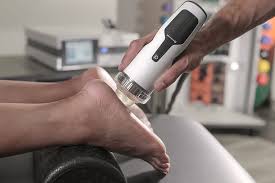
Focused Shockwave Therapy (Short Article)Focused Shockwave Therapy ek advanced non-surgical treatmen...
Read More
Cord Microcurrent Laser Therapy (Short Article)Cord Microcurrent Laser Therapy ek modern treatment t...
Read More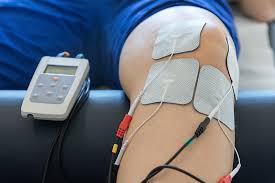
Electrotherapy kya hoti hai? (Short Article)Electrotherapy ek physiotherapy treatment hai jisme halk...
Read More
Class 4 Laser Needle Therapy (Short Article)Class 4 Laser Needle Therapy ek advanced treatment techn...
Read More
Common Neurological DisordersNeurodegenerative Diseases: Alzheimer’s disease, Parkinson's disea...
Read More