-
Magnum Physiotherapy | Contact No : +91 9998238617
Magnum Physiotherapy | Contact No : +91 9998238617
Knee Osteoarthritis is the most common form of arthritis affecting the knee joint. It occurs when the smooth articular cartilage that cushions the ends of the bones gradually deteriorates over time. This degeneration can lead to inflammation, changes in joint structure, bone spur formation (osteophytes), and reduced joint function.
Although often associated with aging, knee osteoarthritis can affect adults of all ages, particularly those with previous knee injuries, obesity, repetitive joint stress, or a family history of arthritis.
The condition typically develops gradually and may progress over several years. Symptoms can range from mild discomfort to significant pain and functional limitations that affect walking, stair climbing, exercise, and everyday activities.
At Magnum Physiotherapy, our comprehensive rehabilitation programs focus on reducing pain, improving movement quality, strengthening the muscles that support the knee, and maximizing long-term function.
The knee consists of three primary bones:
These structures work together to allow smooth movement and weight-bearing.
A smooth protective tissue covering the ends of the bones.
In osteoarthritis, this cartilage gradually wears away.
Produces synovial fluid that lubricates the joint.
Inflammation of this tissue may contribute to pain and swelling.
Key supporting muscles include:
Weakness in these muscles can increase stress on the knee joint.
Symptoms often worsen with prolonged activity and may fluctuate over time.
The risk of osteoarthritis increases with age due to natural joint wear.
Examples include:
Joint trauma can increase the likelihood of developing OA later in life.
Additional body weight increases stress on the knee joint.
Common among individuals who:
Family history may increase susceptibility.
A comprehensive evaluation is important for diagnosis and treatment planning.
At Magnum Physiotherapy, assessment includes:
Common findings include:
May be used when additional soft tissue injuries are suspected.
Physiotherapy is considered one of the most effective conservative treatments for knee osteoarthritis.
Adjusting activities can reduce stress on the knee while maintaining mobility.
May help reduce pain and stiffness.
May include:
These techniques can improve movement and reduce discomfort.
Designed to:
Strong muscles help reduce stress on the knee joint.
Improves knee support and function.
Enhances joint stability.
Improves lower limb alignment and movement mechanics.
Supports efficient movement patterns.
Focuses on:
Helps improve walking mechanics and reduce joint stress.
Depending on individual needs:
A physician may recommend:
May include:
Can help improve support and comfort during activity.
May be considered when:
Post-operative physiotherapy is essential for optimal recovery.
Osteoarthritis is a chronic condition, but symptoms can often be managed successfully.
Outcomes depend on:
Many patients experience substantial improvement in pain and function through physiotherapy and lifestyle modifications.
Early management can help slow symptom progression and maintain quality of life.
Consult a healthcare professional if you experience:
Early assessment and treatment can help improve long-term outcomes and maintain joint function.
At Magnum Physiotherapy, we specialize in orthopedic rehabilitation and arthritis management. Our personalized Knee Osteoarthritis treatment programs combine evidence-based physiotherapy, strengthening exercises, manual therapy, movement retraining, balance rehabilitation, and functional conditioning to help patients reduce pain, improve mobility, and stay active.
Focused Shockwave Therapy (Short Article)Focused Shockwave Therapy ek advanced non-surgical treatmen...
Read More
Cord Microcurrent Laser Therapy (Short Article)Cord Microcurrent Laser Therapy ek modern treatment t...
Read More
Electrotherapy kya hoti hai? (Short Article)Electrotherapy ek physiotherapy treatment hai jisme halk...
Read More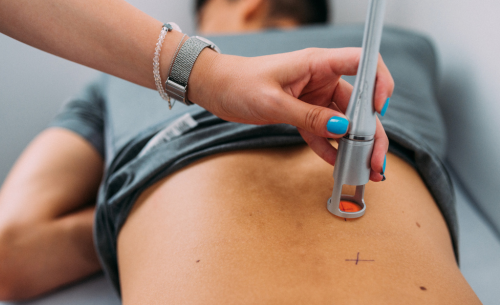
Class 4 Laser Needle Therapy (Short Article)Class 4 Laser Needle Therapy ek advanced treatment techn...
Read More
Common Neurological DisordersNeurodegenerative Diseases: Alzheimer’s disease, Parkinson's disea...
Read More