-
Magnum Physiotherapy | Contact No : +91 9998238617
Magnum Physiotherapy | Contact No : +91 9998238617
Tarsal Tunnel Syndrome (TTS) is a condition in which the posterior tibial nerve or its branches become compressed within the tarsal tunnel, a narrow passageway located on the inner side of the ankle.
The tarsal tunnel is formed by:
Several important structures pass through this tunnel, including:
When pressure increases within the tunnel, the tibial nerve becomes compressed, leading to pain, altered sensation, and weakness in the foot.
Tarsal Tunnel Syndrome is often compared to Carpal Tunnel Syndrome of the wrist because both involve nerve entrapment within a confined space.
The condition may develop gradually or suddenly and can significantly interfere with walking, standing, sports, and daily activities.
If left untreated, prolonged nerve compression may lead to chronic pain, muscle weakness, and permanent nerve dysfunction.
At Magnum Physiotherapy, our evidence-based treatment programs focus on reducing nerve irritation, correcting biomechanical factors, and restoring optimal foot function.
The posterior tibial nerve divides into:
Compression may affect one or multiple branches, resulting in varying symptom patterns.
At Magnum Physiotherapy, we conduct a comprehensive assessment to determine the cause and severity of nerve compression.
The evaluation may include:
Additional investigations may include:
Our treatment focuses on relieving nerve compression and restoring normal foot mechanics.
Surgery may be considered when:
Post-surgical physiotherapy is essential for restoring mobility and function.
Recovery depends on:
Early diagnosis and treatment significantly improve outcomes and reduce the risk of permanent nerve damage.
At Magnum Physiotherapy, we specialize in foot and ankle rehabilitation using evidence-based physiotherapy and advanced technologies. Our personalized treatment programs combine PNE, Laser Therapy, FSM, nerve mobilization, and corrective exercises to relieve symptoms and restore function. We are dedicated to helping patients return to pain-free movement and active lifestyles.
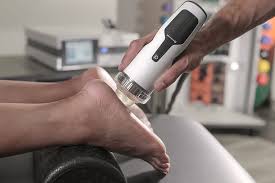
Focused Shockwave Therapy (Short Article)Focused Shockwave Therapy ek advanced non-surgical treatmen...
Read More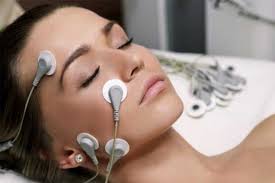
Cord Microcurrent Laser Therapy (Short Article)Cord Microcurrent Laser Therapy ek modern treatment t...
Read More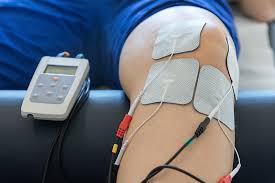
Electrotherapy kya hoti hai? (Short Article)Electrotherapy ek physiotherapy treatment hai jisme halk...
Read More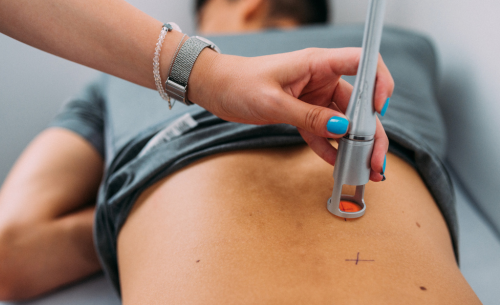
Class 4 Laser Needle Therapy (Short Article)Class 4 Laser Needle Therapy ek advanced treatment techn...
Read More
Common Neurological DisordersNeurodegenerative Diseases: Alzheimer’s disease, Parkinson's disea...
Read More