Logo

Shoulder Arthropathy


The shoulder is one of the most mobile joints in the body, allowing movement in multiple directions. It consists of several joints and soft tissues that work together to provide stability and mobility.

Shoulder Arthropathy is a broad term describing pathological changes affecting the shoulder joint structures, including cartilage, bones, ligaments, and tendons. These changes may result from degeneration, inflammation, injury, or chronic rotator cuff dysfunction.

The primary shoulder joints include:

  • Glenohumeral Joint
  • Acromioclavicular (AC) Joint
  • Sternoclavicular Joint
  • Scapulothoracic Articulation

Arthropathy can significantly impair daily activities such as:

  • Reaching overhead
  • Dressing
  • Grooming
  • Lifting objects
  • Sleeping comfortably

If left untreated, progressive joint damage may lead to chronic pain, stiffness, muscle weakness, and loss of shoulder function.

At Magnum Physiotherapy, our evidence-based rehabilitation programs focus on reducing pain, improving joint mobility, restoring strength, and enhancing quality of life.

Types of Shoulder Arthropathy

Osteoarthritis of the Shoulder

Degeneration of the joint cartilage resulting in pain and stiffness.

Commonly affects:

  • Glenohumeral joint
  • Acromioclavicular joint

Rheumatoid Shoulder Arthropathy

An autoimmune inflammatory condition affecting the shoulder joints.

Characteristics include:

  • Joint inflammation
  • Pain
  • Progressive destruction of cartilage

Rotator Cuff Tear Arthropathy

A severe form of shoulder degeneration caused by chronic massive rotator cuff tears.

This may lead to:

  • Joint instability
  • Superior migration of the humeral head
  • Advanced arthritis

Post-Traumatic Arthropathy

Develops after fractures, dislocations, or other shoulder injuries.

Neuropathic Arthropathy (Charcot Joint)

Rare joint destruction caused by neurological disorders.

Anatomy Involved

Bones

  • Humerus
  • Scapula
  • Clavicle

Joints

  • Glenohumeral Joint
  • Acromioclavicular Joint

Soft Tissue Structures

  • Rotator cuff tendons
  • Joint capsule
  • Labrum
  • Ligaments
  • Bursa

Common Symptoms

  • Shoulder pain
  • Stiffness
  • Reduced range of motion
  • Weakness of the arm
  • Grinding or clicking sensation
  • Pain during overhead activities
  • Difficulty dressing or grooming
  • Night pain
  • Swelling around the joint
  • Loss of function

Causes & Risk Factors

Degenerative Causes

  • Aging
  • Cartilage wear and tear
  • Repetitive use

Inflammatory Causes

  • Rheumatoid Arthritis
  • Autoimmune diseases

Traumatic Causes

  • Fractures
  • Dislocations
  • Previous shoulder injuries

Rotator Cuff Pathology

  • Chronic tendon tears
  • Tendinopathy

Risk Factors

  • Age above 50 years
  • Repetitive overhead activities
  • Family history of arthritis
  • Previous shoulder surgery
  • Obesity

Conditions Associated with Shoulder Arthropathy

  • Rotator Cuff Tear
  • Shoulder Impingement Syndrome
  • Adhesive Capsulitis (Frozen Shoulder)
  • Rheumatoid Arthritis
  • Osteoarthritis
  • Biceps Tendinopathy
  • Shoulder Instability

Diagnosis

At Magnum Physiotherapy, we perform a comprehensive shoulder evaluation.

Assessment may include:

  • Detailed medical history
  • Pain assessment
  • Range of motion testing
  • Muscle strength evaluation
  • Postural assessment
  • Functional assessment
  • Special shoulder tests

Imaging studies may include:

  • X-rays
  • Ultrasound
  • MRI scans
  • CT scans when necessary

These help determine the extent of joint degeneration and associated soft tissue injuries.

Treatment at Magnum Physiotherapy

Treatment depends on the underlying cause and severity of the condition.

Advanced Physiotherapy Treatments

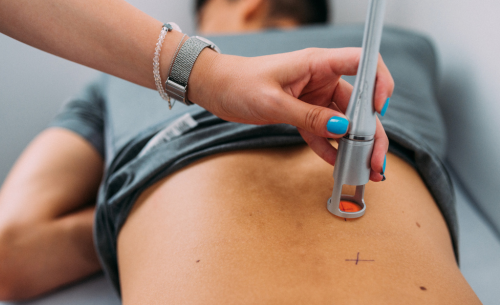
  • Class IV Laser Therapy
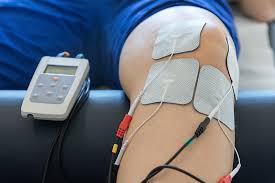
  • TENS Therapy
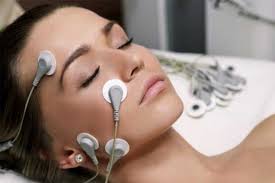
  • Interferential Therapy (IFT)
  • Therapeutic Ultrasound
  • Frequency Specific Microcurrent (FSM)
  • Dry Needling
  • Kinesio Taping®

Manual Therapy

  • Joint Mobilization
  • Soft Tissue Mobilization
  • Myofascial Release
  • Trigger Point Therapy

Rehabilitation Programs

Mobility Exercises

  • Range of Motion Exercises
  • Stretching Programs
  • Capsular Mobility Exercises

Strengthening Exercises

  • Rotator Cuff Strengthening
  • Scapular Stabilization Exercises
  • Resistance Training
  • Postural Strengthening

Functional Rehabilitation

  • Activity Modification
  • Ergonomic Training
  • Return-to-work Programs
  • Sports-specific Rehabilitation

Home Exercise Programs

Customized programs to maintain long-term shoulder health.

Benefits of Physiotherapy for Shoulder Arthropathy

  • Reduces pain and inflammation
  • Improves shoulder mobility
  • Enhances muscle strength
  • Improves joint stability
  • Restores functional independence
  • Improves posture
  • Delays disease progression
  • Supports post-surgical recovery
  • Enhances quality of life
  • Promotes return to activities

When Is Surgery Needed?

Surgery may be considered when:

  • Conservative treatment fails
  • Severe arthritis develops
  • Massive rotator cuff tears exist
  • Joint destruction significantly limits function

Surgical procedures may include:

  • Arthroscopy
  • Rotator cuff repair
  • Shoulder replacement (Arthroplasty)
  • Reverse shoulder arthroplasty

Post-surgical physiotherapy is essential for optimal recovery.

Recovery & Prognosis

Recovery depends on:

  • Type of arthropathy
  • Severity of joint damage
  • Patient age and activity level
  • Compliance with rehabilitation
  • Surgical intervention if needed

Many patients achieve significant improvements in pain and function with appropriate treatment.

Prevention Tips

  • Maintain good posture
  • Strengthen shoulder muscles
  • Avoid repetitive overhead strain
  • Warm up before exercise
  • Address shoulder pain early
  • Maintain a healthy body weight

Why Choose Magnum Physiotherapy?

At Magnum Physiotherapy, we specialize in advanced shoulder rehabilitation using evidence-based physiotherapy and modern technologies. Our personalized treatment programs combine manual therapy, Laser Therapy, FSM, and targeted exercises to reduce pain, improve mobility, and restore function. We are committed to helping patients return to comfortable and active lifestyles.
Our Blog

Chat with us Call us