Logo

Hamstring Strain


A Hamstring Strain is one of the most common muscle injuries affecting athletes and physically active individuals. The hamstring muscle group consists of three muscles that work together to bend the knee and extend the hip during walking, running, and jumping.

A strain occurs when the muscle or tendon is stretched beyond its capacity, causing microscopic damage or a partial/full tear of the muscle fibers.

Hamstring injuries often occur during:

  • Sprinting
  • Sudden acceleration or deceleration
  • Kicking activities
  • Jumping sports
  • Rapid changes in direction

The severity of a hamstring strain can range from mild muscle fiber damage to a complete rupture.

At Magnum Physiotherapy, our evidence-based rehabilitation programs focus on pain reduction, tissue healing, flexibility restoration, strength development, and injury prevention.

Anatomy Involved

Hamstring Muscle Group

The hamstrings consist of:

Biceps Femoris

Located on the outer (lateral) side of the thigh.

Semitendinosus

Located on the inner (medial) side of the thigh.

Semimembranosus

Located deep on the inner side of the thigh.

Functions of the Hamstrings

  • Knee flexion (bending the knee)
  • Hip extension (moving the leg backward)
  • Running and sprinting
  • Jumping
  • Postural support

Most strains occur near the muscle-tendon junction.

Types of Hamstring Strains

Grade I (Mild)

  • Small number of muscle fibers injured
  • Mild discomfort
  • Minimal loss of strength

Grade II (Moderate)

  • Partial muscle tear
  • Noticeable pain
  • Swelling and bruising
  • Reduced strength and flexibility

Grade III (Severe)

  • Complete muscle or tendon rupture
  • Significant pain and swelling
  • Severe weakness
  • Major functional limitations

May require surgical consultation in some cases.

Common Symptoms

  • Sudden sharp pain in the back of the thigh
  • A popping or tearing sensation at the time of injury
  • Tenderness in the hamstring region
  • Swelling
  • Bruising
  • Muscle tightness
  • Difficulty walking
  • Pain during running or sprinting
  • Reduced flexibility
  • Weakness when bending the knee

Severe injuries may result in difficulty bearing weight.

Causes & Risk Factors

Sports-Related Causes

  • Sprinting
  • Soccer
  • Football
  • Basketball
  • Track and field
  • Tennis

Risk Factors

  • Previous hamstring injury
  • Poor flexibility
  • Muscle weakness
  • Fatigue
  • Inadequate warm-up
  • Muscle imbalances
  • Poor running mechanics
  • Sudden increases in training intensity

Conditions Associated with Hamstring Strain

  • Hamstring Tendinopathy
  • Muscle Imbalances
  • Low Back Pain
  • Hip Mobility Restrictions
  • Pelvic Dysfunction
  • Recurrent Sports Injuries

Diagnosis

At Magnum Physiotherapy, we perform a comprehensive assessment to determine injury severity and rehabilitation needs.

Evaluation may include:

  • Detailed injury history
  • Pain assessment
  • Range of motion testing
  • Strength evaluation
  • Functional movement assessment
  • Gait analysis

Physical Examination

  • Palpation of the injured area
  • Flexibility testing
  • Muscle performance testing

Imaging Studies

For moderate to severe injuries:

  • Ultrasound
  • MRI

Imaging can help identify the location and extent of the tear.

Differential Diagnosis

Conditions that may mimic a hamstring strain include:

  • Hamstring Tendinopathy
  • Sciatica
  • Piriformis Syndrome
  • Adductor Strain
  • Lumbar Radiculopathy
  • Ischial Bursitis

Accurate diagnosis ensures appropriate treatment and recovery planning.

Treatment at Magnum Physiotherapy

Most hamstring strains respond well to conservative physiotherapy treatment.

Acute Phase Management

POLICE Principle

  • Protect
  • Optimal Loading
  • Ice
  • Compression
  • Elevation

Activity Modification

Avoid activities that worsen symptoms while maintaining safe movement.

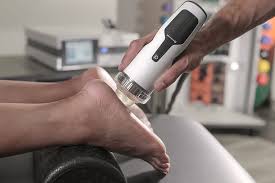
Advanced Physiotherapy Treatments

  • Class IV Laser Therapy
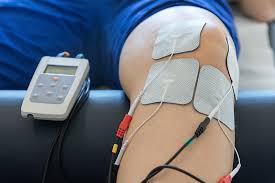
  • TENS Therapy
  • Interferential Therapy (IFT)
  • Therapeutic Ultrasound
  • Soft Tissue Mobilization
  • Myofascial Release
  • Kinesiology Taping

Manual Therapy

  • Soft tissue treatment
  • Muscle release techniques
  • Joint mobilization (when indicated)

Rehabilitation Programs

Early Rehabilitation

  • Gentle range of motion exercises
  • Pain-free mobility exercises
  • Controlled muscle activation

Flexibility Training

  • Hamstring stretching
  • Hip mobility exercises
  • Dynamic flexibility exercises

Strengthening Exercises

Progressive Loading

  • Isometric exercises
  • Concentric strengthening
  • Eccentric hamstring strengthening

Functional Strengthening

  • Bridges
  • Deadlifts (progressively introduced)
  • Nordic hamstring exercises
  • Single-leg strengthening exercises

Neuromuscular Training

  • Balance exercises
  • Coordination training
  • Movement retraining

Sport-Specific Rehabilitation

  • Running progression programs
  • Sprint mechanics training
  • Agility drills
  • Return-to-sport testing

Benefits of Physiotherapy for Hamstring Strains

  • Reduces pain and inflammation
  • Promotes tissue healing
  • Restores flexibility
  • Improves muscle strength
  • Enhances athletic performance
  • Reduces reinjury risk
  • Improves movement mechanics
  • Supports safe return to sport
  • Restores functional mobility
  • Improves overall confidence

Recovery & Prognosis

Recovery timelines vary based on injury severity:

Grade I

  • Approximately 1–3 weeks

Grade II

  • Approximately 4–8 weeks

Grade III

  • Several months, especially if surgery is required

Proper rehabilitation is essential to reduce recurrence, as hamstring strains have a relatively high reinjury rate.

Prevention Tips

  • Warm up properly before exercise
  • Maintain hamstring flexibility
  • Strengthen hamstrings and gluteal muscles
  • Include eccentric strengthening exercises
  • Progress training gradually
  • Address muscle imbalances
  • Follow sport-specific conditioning programs

When Should You Seek Medical Attention?

Consult a healthcare professional if you experience:

  • Sudden severe thigh pain
  • Significant bruising or swelling
  • Difficulty walking
  • Persistent weakness
  • Recurrent hamstring injuries

Early treatment can accelerate recovery and reduce long-term complications.

Why Choose Magnum Physiotherapy?

At Magnum Physiotherapy, we specialize in sports injury rehabilitation and evidence-based muscle injury recovery. Our individualized treatment programs combine advanced physiotherapy techniques, progressive strengthening, movement retraining, and return-to-sport protocols to help patients recover safely and return stronger than before.
Our Blog

Chat with us Call us