-
Magnum Physiotherapy | Contact No : +91 9998238617
Magnum Physiotherapy | Contact No : +91 9998238617
Shoulder Impingement Syndrome, also known as Subacromial Impingement Syndrome (SAIS), occurs when the soft tissues of the shoulder—particularly the rotator cuff tendons and subacromial bursa—become compressed or irritated beneath the acromion, a bony projection of the shoulder blade.
The shoulder is one of the most mobile joints in the body, relying on a complex interaction between muscles, tendons, ligaments, and bones for smooth movement. When this balance is disrupted due to poor posture, repetitive overhead activities, muscle weakness, or structural abnormalities, the space beneath the acromion narrows, leading to impingement of the soft tissues.
Over time, repeated compression can result in inflammation, tendon degeneration, bursitis, rotator cuff injuries, and chronic shoulder pain. If left untreated, shoulder impingement may progress to partial or full-thickness rotator cuff tears.
This condition is commonly seen in athletes involved in overhead sports such as cricket, tennis, badminton, swimming, volleyball, and weightlifting. It is also prevalent among office workers, manual laborers, and individuals performing repetitive overhead tasks.
At Magnum Physiotherapy, our treatment approach focuses on identifying the root cause of impingement, correcting movement dysfunctions, improving shoulder mechanics, and restoring pain-free movement.
Caused by structural narrowing of the subacromial space due to bone spurs or anatomical changes.
Caused by muscle weakness, instability, or poor shoulder biomechanics.
Typically seen in athletes, where the rotator cuff becomes compressed inside the shoulder joint during overhead movements.
At Magnum Physiotherapy, we perform a comprehensive assessment to accurately identify the cause of shoulder pain and dysfunction.
The evaluation may include:
This detailed assessment helps create a personalized rehabilitation plan.
Our treatment programs focus on reducing pain, restoring movement, improving shoulder stability, and preventing recurrence.
At Magnum Physiotherapy, we specialize in advanced shoulder rehabilitation using evidence-based techniques and cutting-edge technologies. Our individualized treatment programs combine Shockwave Therapy, Class IV Laser Therapy, FSM, Dry Needling, and targeted exercise rehabilitation to provide long-lasting pain relief and functional recovery. Our goal is to help patients regain pain-free movement and return confidently to work, sports, and daily activities.
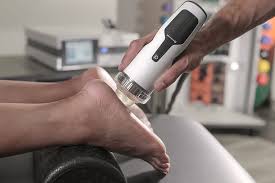
Focused Shockwave Therapy (Short Article)Focused Shockwave Therapy ek advanced non-surgical treatmen...
Read More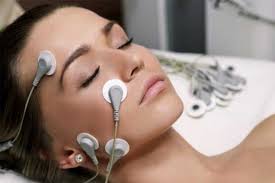
Cord Microcurrent Laser Therapy (Short Article)Cord Microcurrent Laser Therapy ek modern treatment t...
Read More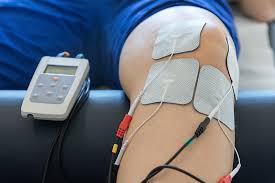
Electrotherapy kya hoti hai? (Short Article)Electrotherapy ek physiotherapy treatment hai jisme halk...
Read More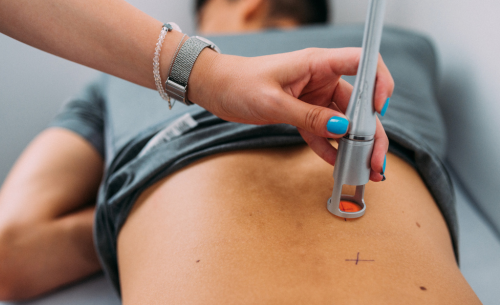
Class 4 Laser Needle Therapy (Short Article)Class 4 Laser Needle Therapy ek advanced treatment techn...
Read More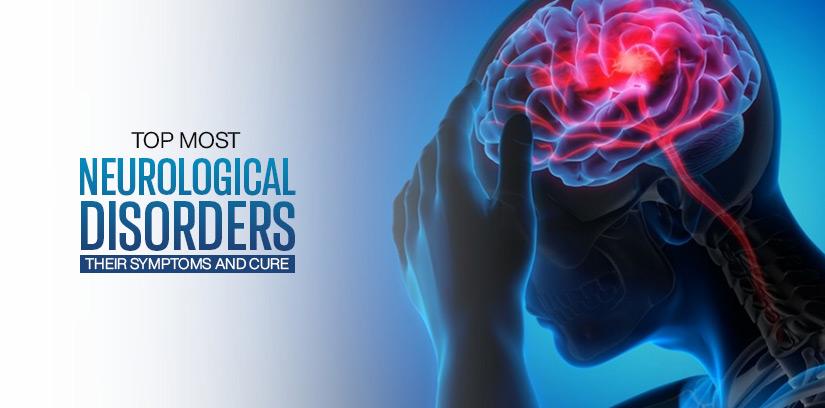
Common Neurological DisordersNeurodegenerative Diseases: Alzheimer’s disease, Parkinson's disea...
Read More