Logo

Ulnar Nerve Injury


The ulnar nerve is one of the major nerves of the upper limb. It originates from the brachial plexus (C8–T1 nerve roots) and travels from the neck down the arm, passing behind the inner side of the elbow (commonly known as the "funny bone") before entering the hand.

The ulnar nerve is responsible for:

  • Sensation to the little finger and part of the ring finger
  • Control of many small muscles of the hand
  • Fine motor coordination
  • Grip and pinch strength

When the ulnar nerve becomes compressed, stretched, or injured, it can lead to sensory disturbances and muscle weakness in the hand and forearm.

Common sites of injury include:

  • The elbow (Cubital Tunnel Syndrome)
  • The wrist (Guyon’s Canal Syndrome)
  • Traumatic injuries to the arm or hand

If left untreated, prolonged nerve compression can result in muscle wasting, claw hand deformity, and permanent loss of function.

At Magnum Physiotherapy, our evidence-based neurorehabilitation programs focus on relieving nerve irritation, restoring movement, strengthening muscles, and optimizing recovery.

Anatomy of the Ulnar Nerve

The ulnar nerve passes through several anatomical regions:

At the Elbow

  • Cubital Tunnel
  • Medial epicondyle of the humerus

At the Wrist

  • Guyon’s Canal

Compression at either location may produce different symptoms.

Common Symptoms

Sensory Symptoms

  • Numbness in the little finger
  • Tingling in the ring finger
  • Pins-and-needles sensation
  • Reduced hand sensation

Motor Symptoms

  • Weak grip strength
  • Difficulty spreading fingers apart
  • Reduced pinch strength
  • Hand clumsiness
  • Muscle wasting in the hand
  • Difficulty with fine motor tasks

Advanced Symptoms

  • Claw hand deformity
  • Persistent weakness
  • Loss of hand dexterity

Causes & Risk Factors

Compression Injuries

  • Cubital Tunnel Syndrome
  • Guyon’s Canal Syndrome
  • Prolonged elbow flexion
  • Leaning on elbows for long periods

Trauma-Related Causes

  • Elbow fractures
  • Wrist injuries
  • Dislocations
  • Lacerations or penetrating injuries

Medical Conditions

  • Diabetes mellitus
  • Rheumatoid arthritis
  • Peripheral neuropathy

Occupational Risk Factors

  • Repetitive hand movements
  • Vibrating tool use
  • Prolonged computer work

Types of Ulnar Nerve Injury

Neurapraxia

Temporary nerve compression without structural damage.

Axonotmesis

Damage to nerve fibers with preservation of surrounding structures.

Neurotmesis

Complete severance of the nerve requiring surgical repair.

Conditions Associated with Ulnar Nerve Injury

  • Cubital Tunnel Syndrome
  • Guyon’s Canal Syndrome
  • Claw Hand Deformity
  • Elbow Fractures
  • Peripheral Neuropathy
  • Cervical Radiculopathy
  • Brachial Plexus Injury

Diagnosis

At Magnum Physiotherapy, we perform a comprehensive neurological and functional assessment.

The evaluation may include:

  • Detailed medical history
  • Sensory testing
  • Muscle strength assessment
  • Grip strength evaluation
  • Range of motion testing
  • Functional hand assessment
  • Tinel’s Sign
  • Froment’s Sign
  • Nerve tension tests
  • Review of EMG and Nerve Conduction Studies (NCS)
  • Review of imaging studies if available

Treatment at Magnum Physiotherapy

Our rehabilitation programs focus on promoting nerve healing and restoring upper limb function.

Advanced Physiotherapy Treatments

  • Percutaneous Neuromodulation (PNE)
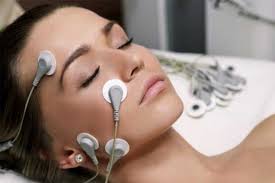
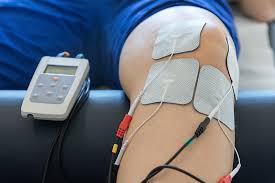
  • Electrical Muscle Stimulation (EMS)
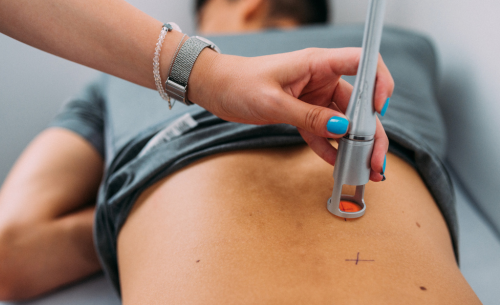
  • Class IV Laser Therapy
  • Frequency Specific Microcurrent (FSM)
  • TENS Therapy
  • Interferential Therapy (IFT)
  • Kinesio Taping®

Rehabilitation Programs

  • Ulnar Nerve Gliding Exercises
  • Strengthening Exercises
  • Grip and Pinch Training
  • Fine Motor Skill Training
  • Neuromuscular Re-Education
  • Functional Hand Rehabilitation
  • Range of Motion Exercises
  • Activity Modification
  • Ergonomic Training
  • Home Exercise Programs

Splinting & Support

  • Night splints for elbow positioning
  • Wrist splints when indicated

Benefits of Physiotherapy for Ulnar Nerve Injury

  • Promotes nerve recovery
  • Reduces numbness and tingling
  • Improves hand strength
  • Restores grip and pinch function
  • Enhances dexterity and coordination
  • Prevents muscle wasting
  • Improves daily function
  • Supports post-surgical recovery
  • Enhances return to work and sports
  • Improves quality of life

When Is Surgery Needed?

Surgery may be considered if:

  • Severe nerve compression exists
  • Progressive muscle weakness develops
  • Conservative treatment fails
  • Nerve laceration or severe injury occurs

Physiotherapy remains essential both before and after surgery to maximize outcomes.

Recovery & Prognosis

Recovery depends on:

  • Severity of nerve injury
  • Duration of symptoms
  • Cause of injury
  • Time to treatment
  • Adherence to rehabilitation

Mild nerve compression may recover within weeks to months, while severe injuries may require prolonged rehabilitation.

Why Choose Magnum Physiotherapy?

At Magnum Physiotherapy, we specialize in advanced neurological and hand rehabilitation using evidence-based physiotherapy and modern technologies. Our personalized treatment programs integrate PNE, Laser Therapy, FSM, nerve mobilization, and functional training to optimize nerve recovery and restore hand function. We are dedicated to helping patients regain independence and return to their daily activities with confidence.
Our Blog

Chat with us Call us