The posterior tibial tendon is one of the most important stabilizers of the foot and ankle. It originates from the posterior tibialis muscle in the calf, passes behind the inner ankle bone (medial malleolus), and inserts into several bones of the midfoot.
The tendon plays a critical role in:
-
Supporting the medial longitudinal arch of the foot
-
Stabilizing the foot during walking
-
Assisting foot inversion (turning the foot inward)
-
Helping propel the body forward during gait
When the tendon becomes inflamed, overstretched, degenerates, or tears, it loses its ability to support the arch. As a result, the arch gradually collapses, causing the foot to flatten and roll inward (overpronation).
Over time, untreated PTTD can lead to:
-
Adult-acquired flatfoot deformity
-
Chronic pain
-
Difficulty walking
-
Joint degeneration
-
Arthritis of the foot and ankle
PTTD most commonly affects adults over the age of 40 and is more frequently seen in women.
Early diagnosis and treatment are essential because the condition is often progressive.
At Magnum Physiotherapy, our rehabilitation programs focus on reducing tendon stress, improving strength, correcting biomechanics, and restoring pain-free mobility.
Anatomy Involved
Posterior Tibial Tendon
The tendon passes:
-
Behind the medial malleolus
-
Along the inner side of the foot
-
To its insertions on the navicular and midfoot bones
Supporting Structures
-
Medial longitudinal arch
-
Spring ligament
-
Deltoid ligament
-
Intrinsic foot muscles
-
Calf muscles
Failure of the posterior tibial tendon often affects multiple structures that support the foot.
Common Symptoms
-
Pain on the inner side of the ankle
-
Swelling behind the medial malleolus
-
Flattening of the foot arch
-
Foot fatigue during walking
-
Difficulty standing on tiptoes
-
Inward rolling of the ankle
-
Difficulty walking long distances
-
Reduced balance and stability
-
Pain that worsens with activity
-
Outer ankle pain in advanced stages
As the deformity progresses, pain may shift to the outer side of the ankle due to impingement and altered mechanics.
Causes & Risk Factors
Mechanical Causes
-
Overuse of the tendon
-
Repetitive walking or running
-
Excessive pronation
-
Foot deformities
Degenerative Causes
-
Age-related tendon degeneration
-
Chronic inflammation
-
Tendon wear and tear
Medical Conditions
-
Obesity
-
Diabetes Mellitus
-
Hypertension
-
Rheumatoid Arthritis
-
Corticosteroid exposure
Risk Factors
-
Female gender
-
Age above 40 years
-
Flat feet
-
Previous ankle injuries
-
Occupations involving prolonged standin
Stages of Posterior Tibial Tendon Dysfunction
Stage I – Tendinitis without Deformity
-
Pain and swelling
-
Tendon inflammation
-
Normal foot shape maintained
Stage II – Flexible Flatfoot
-
Arch collapse begins
-
Foot remains flexible
-
Difficulty performing single-leg heel raises
Stage III – Rigid Flatfoot
-
Fixed deformity develops
-
Significant stiffness and pain
-
Degenerative joint changes may occur
Stage IV – Ankle Involvement
-
Severe deformity
-
Deltoid ligament failure
-
Ankle arthritis and instability
Conditions Associated with PTTD
-
Adult Acquired Flatfoot Deformity (AAFD)
-
Plantar Fasciitis
-
Achilles Tendinopathy
-
Ankle Instability
-
Hallux Valgus (Bunion)
-
Foot Osteoarthritis
-
Overpronation Syndrome
Diagnosis
At Magnum Physiotherapy, we conduct a comprehensive foot and ankle evaluation to determine the severity of the condition and contributing factors.
Assessment may include:
-
Detailed medical history
-
Gait analysis
-
Foot posture assessment
-
Tendon palpation
-
Range of motion testing
-
Muscle strength evaluation
-
Balance assessment
-
Functional movement analysis
Special Clinical Tests
-
Single-Leg Heel Raise Test
-
Too Many Toes Sign
-
Jack’s Test (Hubscher Maneuver)
Imaging Studies
-
Ultrasound
-
X-rays
-
MRI scans
MRI is particularly useful for identifying tendon degeneration or tears.
Treatment at Magnum Physiotherapy
Early intervention is crucial to prevent progression and avoid surgery.
Advanced Physiotherapy Treatments
-
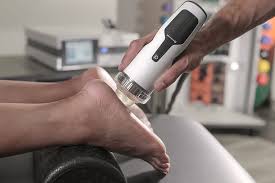
Focused Shockwave Therapy
-
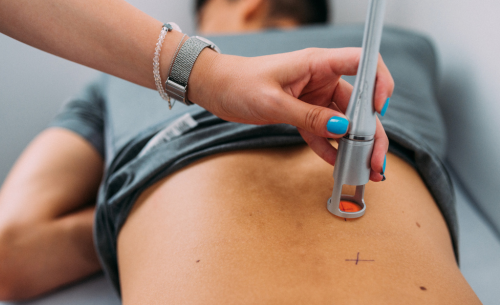
Class IV Laser Therapy
-
Frequency Specific Microcurrent (FSM)
-
Therapeutic Ultrasound
-
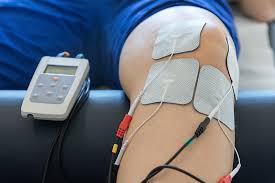
Interferential Therapy (IFT)
-
TENS Therapy
-
Kinesio Taping®
-
Soft Tissue Mobilization
Rehabilitation Programs
Strengthening Exercises
-
Posterior Tibialis Strengthening
-
Foot Intrinsic Muscle Training
-
Calf Strengthening
-
Hip and Core Strengthening
Mobility & Flexibility
-
Calf Stretching Exercises
-
Ankle Mobility Exercises
-
Soft Tissue Flexibility Programs
Functional Rehabilitation
-
Balance and Proprioception Training
-
Gait Retraining
-
Progressive Loading Programs
-
Functional Movement Training
-
Return-to-Activity Programs
Home Exercise Programs
Customized exercise plans to support long-term foot health.
Orthotic & Supportive Management
Supportive devices may include:
-
Custom foot orthotics
-
Medial arch supports
-
Ankle braces
-
Motion-control footwear
-
Medial wedge insoles
These interventions help unload the tendon and support the arch during healing.
Benefits of Physiotherapy for PTTD
-
Reduces pain and inflammation
-
Strengthens the posterior tibial tendon
-
Supports the foot arch
-
Improves walking ability
-
Enhances balance and stability
-
Corrects abnormal biomechanics
-
Prevents progression of deformity
-
Delays or avoids surgery
-
Improves athletic performance
-
Enhances quality of life
When Is Surgery Needed?
Surgery may be considered in cases of:
-
Severe tendon rupture
-
Progressive rigid deformity
-
Failure of conservative treatment
-
Advanced arthritis
Surgical procedures may include tendon reconstruction, osteotomy, or joint fusion.
Post-surgical physiotherapy is essential for restoring mobility and function.
Recovery & Prognosis
Recovery depends on:
-
Stage of the condition
-
Severity of tendon damage
-
Adherence to rehabilitation
-
Use of orthotics
-
Activity modification
Early-stage PTTD often responds well to physiotherapy, while advanced stages may require surgery.
Prevention Tips
-
Wear supportive footwear
-
Maintain a healthy body weight
-
Strengthen foot and ankle muscles
-
Stretch calf muscles regularly
-
Increase activity gradually
-
Address foot pain early
-
Use orthotics if recommended
Why Choose Magnum Physiotherapy?
At Magnum Physiotherapy, we specialize in advanced foot and ankle rehabilitation using evidence-based physiotherapy and modern technologies. Our personalized treatment programs combine Shockwave Therapy, Laser Therapy, FSM, gait retraining, and targeted exercises to restore function and prevent progression of PTTD. We are committed to helping patients return to pain-free movement and active lifestyles