Logo

Shoulder Dislocation


The shoulder is the most mobile joint in the human body, allowing a wide range of movement. However, this mobility also makes it one of the most commonly dislocated joints.

A Shoulder Dislocation occurs when the humeral head is displaced from the glenoid socket. Most shoulder dislocations are anterior dislocations, where the humeral head moves forward out of the socket. Less commonly, posterior or inferior dislocations may occur.

The injury often damages surrounding structures, including:

  • Ligaments
  • Joint capsule
  • Labrum
  • Rotator cuff muscles
  • Nerves and blood vessels (in severe cases)

Prompt medical attention is required to reposition the joint and assess associated injuries. Following reduction, physiotherapy plays a critical role in restoring function and preventing recurrent instability.

At Magnum Physiotherapy, our rehabilitation programs focus on pain relief, mobility restoration, strengthening, proprioception training, and return-to-sport or daily activities.

Anatomy Involved

Glenohumeral Joint

The shoulder joint consists of:

Humerus

Upper arm bone.

Glenoid

Shallow socket of the shoulder blade (scapula).

Labrum

A fibrocartilaginous rim that deepens the socket and improves stability.

Supporting Structures

Ligaments

  • Superior Glenohumeral Ligament
  • Middle Glenohumeral Ligament
  • Inferior Glenohumeral Ligament

Joint Capsule

Provides passive stability.

Rotator Cuff Muscles

  • Supraspinatus
  • Infraspinatus
  • Teres Minor
  • Subscapularis

These muscles help stabilize the shoulder during movement.

Types of Shoulder Dislocation

Anterior Shoulder Dislocation

Most common type (approximately 90–95% of cases).

Usually occurs when the arm is:

  • Abducted
  • Externally rotated

Posterior Shoulder Dislocation

Less common.

May occur due to:

  • Seizures
  • Electrical injuries
  • Direct trauma

Inferior Shoulder Dislocation

Rare type where the arm becomes locked overhead.

Common Symptoms

  • Sudden severe shoulder pain
  • Visible shoulder deformity
  • Shoulder appearing "out of place"
  • Swelling
  • Bruising
  • Inability to move the arm normally
  • Muscle spasms
  • Weakness
  • Numbness or tingling (if nerves are involved)

Symptoms usually occur immediately after the injury.

Causes & Risk Factors

Traumatic Causes

  • Falls onto an outstretched arm
  • Contact sports injuries
  • Motor vehicle accidents
  • Direct shoulder trauma

Non-Traumatic Causes

  • Generalized ligament laxity
  • Connective tissue disorders
  • Recurrent instability

Risk Factors

  • Previous shoulder dislocation
  • Participation in contact sports
  • Hypermobile joints
  • Young age (higher recurrence rates)
  • Weak shoulder stabilizing muscles

Conditions Associated with Shoulder Dislocation

  • Shoulder Instability
  • Bankart Lesion
  • Hill-Sachs Lesion
  • Rotator Cuff Injury
  • Labral Tear
  • Axillary Nerve Injury
  • Recurrent Shoulder Dislocation

Diagnosis

Diagnosis is based on clinical examination and imaging studies.

Clinical Assessment

Healthcare providers evaluate:

  • Shoulder position
  • Range of motion
  • Strength
  • Neurovascular status

Imaging

X-rays

Used to confirm dislocation and identify fractures.

MRI

May assess:

  • Labral injuries
  • Rotator cuff tears
  • Ligament damage

CT Scan

Sometimes used for complex injuries.

At Magnum Physiotherapy, we assess:

  • Shoulder mobility
  • Strength
  • Stability
  • Functional limitations
  • Movement patterns

Initial Medical Management

A dislocated shoulder requires prompt reduction by a qualified healthcare professional.

Reduction

The humeral head is carefully repositioned into the socket.

Immobilization

A sling may be prescribed temporarily to allow healing.

Pain Management

May include:

  • Ice application
  • Anti-inflammatory medications
  • Physician-directed pain control

Do not attempt to relocate a dislocated shoulder without medical supervision

Treatment at Magnum Physiotherapy

Physiotherapy begins after medical clearance and follows a structured rehabilitation progression.

Phase 1: Pain & Protection

Goals

  • Reduce pain
  • Control swelling
  • Protect healing tissues

Treatments

  • Gentle mobility exercises
  • Pain management modalities
  • Education

Phase 2: Restore Mobility

Exercises

  • Passive range of motion
  • Active-assisted movements
  • Flexibility exercises

Goal: Regain normal shoulder movement safely.

Phase 3: Strengthening

Focus Areas

  • Rotator cuff strengthening
  • Scapular stabilization
  • Shoulder girdle strengthening

Common exercises include:

  • Resistance band exercises
  • Isometric strengthening
  • Progressive strengthening programs

Phase 4: Stability & Proprioception Training

Goals

  • Improve joint awareness
  • Enhance dynamic stability
  • Reduce recurrence risk

Activities may include:

  • Balance-based shoulder exercises
  • Closed-chain exercises
  • Functional movement training

Phase 5: Return to Activity

Sport-Specific Rehabilitation

  • Throwing progression programs
  • Contact sport preparation
  • Functional testing

Work Conditioning

For physically demanding occupations.

Advanced Physiotherapy Treatments

Depending on individual needs:

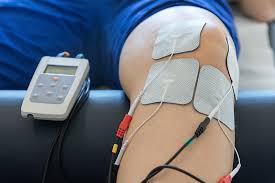
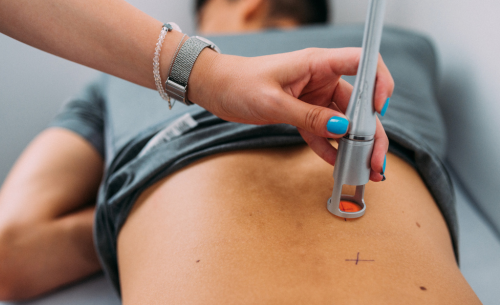
  • Class IV Laser Therapy
  • TENS Therapy
  • Interferential Therapy (IFT)
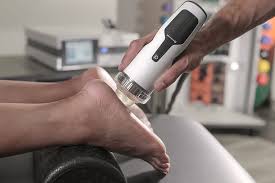
  • Therapeutic Ultrasound
  • Soft Tissue Mobilization
  • Kinesiology Taping

Benefits of Physiotherapy for Shoulder Dislocation

  • Reduces pain
  • Restores mobility
  • Improves shoulder strength
  • Enhances joint stability
  • Improves coordination
  • Prevents stiffness
  • Reduces recurrence risk
  • Improves athletic performance
  • Restores function
  • Enhances confidence in movement

Recovery & Prognosis

Recovery depends on:

  • Severity of injury
  • Age
  • Associated tissue damage
  • Participation in rehabilitation

Typical Recovery Timeline

Mild Cases

  • 6–12 weeks

Complex Injuries

  • Several months

Post-Surgical Cases

  • 4–6 months or longer

Young athletes may have a higher risk of recurrent dislocations without proper rehabilitation.

Prevention Tips

  • Strengthen the rotator cuff
  • Improve scapular stability
  • Maintain shoulder flexibility
  • Use proper sports techniques
  • Complete rehabilitation before returning to sport
  • Address shoulder instability early

When Should You Seek Immediate Medical Attention?

Seek urgent medical care if you experience:

  • A suspected shoulder dislocation
  • Severe shoulder deformity
  • Inability to move the arm
  • Numbness or tingling in the arm
  • Loss of circulation to the arm or hand

Prompt treatment reduces the risk of complications.

Why Choose Magnum Physiotherapy?

At Magnum Physiotherapy, we specialize in orthopedic and sports injury rehabilitation. Our evidence-based Shoulder Dislocation rehabilitation programs focus on restoring mobility, rebuilding strength, improving stability, and helping patients safely return to sports, work, and everyday activities.
Our Blog

Chat with us Call us