Logo

Stroke (Cerebrovascular Accident – CVA)


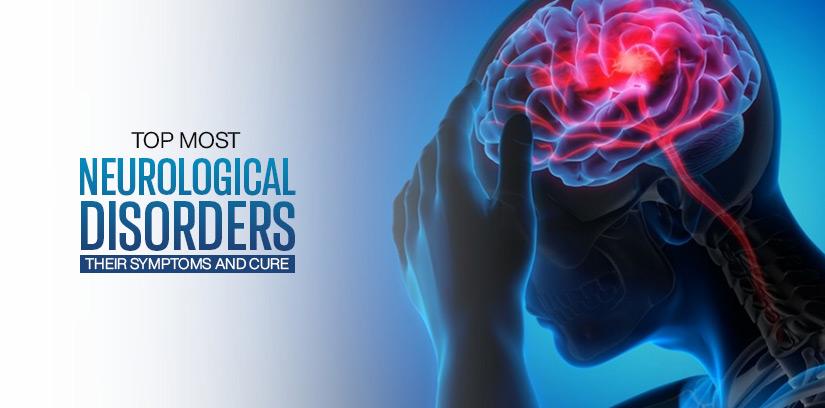
A Stroke is a medical emergency that occurs when the brain's blood supply is disrupted. Brain tissue requires a constant supply of oxygen and nutrients delivered through the bloodstream. When blood flow is interrupted, brain cells begin to die within minutes.

The effects of a stroke depend on:

  • The area of the brain affected
  • The size of the stroke
  • How quickly treatment is received
  • Overall health and rehabilitation participation

Stroke is one of the leading causes of disability worldwide, but many individuals can achieve significant recovery with early treatment and structured rehabilitation.

At Magnum Physiotherapy, our evidence-based neurological rehabilitation programs focus on restoring movement, improving balance, increasing independence, and supporting long-term recovery.

Types of Stroke

Ischemic Stroke

The most common type of stroke.

Occurs when a blood clot blocks a blood vessel supplying the brain.

Common Causes

  • Atherosclerosis
  • Blood clots
  • Atrial fibrillation
  • Vascular disease

Hemorrhagic Stroke

Occurs when a blood vessel in the brain ruptures and causes bleeding.

Common Causes

  • High blood pressure
  • Aneurysms
  • Vascular malformations
  • Head trauma

Transient Ischemic Attack (TIA)

Often called a "mini-stroke."

A temporary interruption of blood flow to the brain.

Symptoms typically resolve within 24 hours but indicate an increased risk of future stroke.

Anatomy Involved

Brain

Different areas of the brain control different functions:

Frontal Lobe

  • Movement
  • Speech production
  • Decision-making

Parietal Lobe

  • Sensation
  • Spatial awareness

Temporal Lobe

  • Memory
  • Language comprehension

Occipital Lobe

  • Vision

Brainstem

  • Breathing
  • Heart rate
  • Balance

Damage to specific areas determines the symptoms experienced after a stroke.

Common Symptoms

Motor Symptoms

  • Weakness on one side of the body
  • Hemiplegia (paralysis)
  • Hemiparesis (partial weakness)
  • Difficulty walking
  • Poor coordination

Sensory Symptoms

  • Numbness
  • Altered sensation
  • Reduced awareness of one side of the body

Speech & Language Symptoms

  • Difficulty speaking (Aphasia)
  • Difficulty understanding language
  • Slurred speech (Dysarthria)

Cognitive Symptoms

  • Memory problems
  • Reduced attention
  • Difficulty problem-solving
  • Confusion

Visual Symptoms

  • Blurred vision
  • Double vision
  • Visual field loss

Balance Symptoms

  • Dizziness
  • Poor balance
  • Increased fall risk

Stroke Warning Signs (FAST)

Recognizing stroke symptoms early can save lives.

F – Face

  • Facial drooping

A – Arms

  • Arm weakness

S – Speech

  • Slurred speech or difficulty speaking

T – Time

  • Call emergency services immediately

Prompt medical treatment significantly improves outcomes.

Causes & Risk Factors

Medical Risk Factors

  • High blood pressure
  • Diabetes
  • High cholesterol
  • Atrial fibrillation
  • Heart disease
  • Previous stroke or TIA

Lifestyle Risk Factors

  • Smoking
  • Physical inactivity
  • Obesity
  • Excessive alcohol consumption
  • Poor diet

Other Risk Factors

  • Advanced age
  • Family history of stroke
  • Certain blood clotting disorders

Conditions Associated with Stroke

  • Hemiplegia
  • Aphasia
  • Dysphagia (swallowing difficulties)
  • Spasticity
  • Cognitive impairment
  • Shoulder pain
  • Balance disorders
  • Depression
  • Urinary incontinence

Diagnosis

Stroke is diagnosed through emergency medical evaluation.

Clinical Assessment

  • Neurological examination
  • Strength testing
  • Cognitive assessment

Imaging Studies

  • CT Scan
  • MRI Scan
  • CT Angiography
  • MR Angiography

Additional Investigations

  • Blood tests
  • Cardiac monitoring
  • Carotid ultrasound

At Magnum Physiotherapy, rehabilitation assessment includes:

  • Mobility evaluation
  • Strength assessment
  • Balance testing
  • Gait analysis
  • Functional independence assessment
  • Coordination testing

Medical Treatment

Emergency treatment depends on stroke type.

Ischemic Stroke

May include:

  • Clot-busting medications (Thrombolytics)
  • Mechanical thrombectomy
  • Antiplatelet medications

Hemorrhagic Stroke

May require:

  • Blood pressure management
  • Neurosurgical intervention
  • Intensive medical monitoring

Treatment at Magnum Physiotherapy

Physiotherapy is a key component of stroke recovery.

Neurological Rehabilitation Programs

Mobility Training

  • Bed mobility
  • Transfer training
  • Walking retraining

Strengthening Exercises

  • Functional strengthening
  • Task-specific training
  • Progressive resistance exercises

Balance Rehabilitation

  • Static balance training
  • Dynamic balance training
  • Fall prevention strategies

Gait Training

  • Walking practice
  • Assistive device training
  • Stair training

Upper Limb Rehabilitation

  • Arm mobility exercises
  • Functional reaching activities
  • Coordination training

Neuroplasticity-Based Therapy

Focused repetition and task-specific training to encourage the brain's natural ability to reorganize and recover function.

Advanced Physiotherapy Treatments

Depending on patient needs:

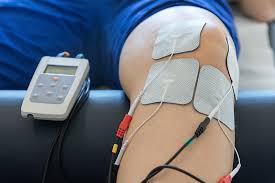
  • Functional Electrical Stimulation (FES)
  • Neuromuscular Re-Education
  • Balance Technology Training
  • Robotic-Assisted Rehabilitation (where available)
  • Constraint-Induced Movement Therapy (CIMT)

Benefits of Physiotherapy After Stroke

  • Improves mobility
  • Enhances balance
  • Restores strength
  • Improves walking ability
  • Promotes independence
  • Reduces fall risk
  • Improves coordination
  • Supports neuroplastic recovery
  • Enhances confidence
  • Improves quality of life

Recovery & Prognosis

Stroke recovery varies greatly among individuals.

Factors affecting recovery include:

  • Stroke severity
  • Location of brain injury
  • Time to treatment
  • Age and overall health
  • Participation in rehabilitation

Recovery often continues for months and sometimes years after the initial stroke.

Early rehabilitation generally leads to better outcomes.

Prevention of Future Stroke

Risk reduction strategies include:

  • Blood pressure control
  • Diabetes management
  • Cholesterol management
  • Smoking cessation
  • Regular exercise
  • Healthy diet
  • Medication adherence

When Should You Seek Emergency Medical Attention?

Call emergency services immediately if you experience:

  • Sudden weakness or paralysis
  • Facial drooping
  • Difficulty speaking
  • Sudden vision changes
  • Severe dizziness
  • Sudden loss of balance
  • Sudden severe headache

Stroke is a medical emergency, and rapid treatment can reduce brain damage and improve recovery.

Why Choose Magnum Physiotherapy?

At Magnum Physiotherapy, we specialize in neurological rehabilitation and stroke recovery. Our individualized treatment programs combine evidence-based physiotherapy, balance training, gait rehabilitation, strength development, and functional retraining to help patients maximize recovery, regain independence, and improve their quality of life after stroke.
Our Blog

Chat with us Call us