-
Magnum Physiotherapy | Contact No : +91 9998238617
Magnum Physiotherapy | Contact No : +91 9998238617
Femoroacetabular Impingement (FAI) occurs when the femoral head (ball) and the acetabulum (socket) do not fit together perfectly. As a result, abnormal contact develops during hip movement, particularly during flexion, twisting, squatting, and athletic activities.
Over time, this repeated contact may lead to:
FAI commonly affects:
Many people may have structural changes associated with FAI without symptoms. However, when symptoms develop, early treatment can help prevent progression and improve function.
At Magnum Physiotherapy, our evidence-based rehabilitation programs focus on improving hip mechanics, enhancing mobility, strengthening supporting muscles, and reducing stress on the hip joint.
The hip is a ball-and-socket joint composed of:
The ball-shaped top of the thigh bone.
The socket portion of the pelvis.
A ring of cartilage surrounding the hip socket.
Functions include:
Labral tears commonly occur in association with FAI.
Smooth tissue covering the joint surfaces.
Repeated impingement can lead to cartilage damage.
Occurs when the femoral head is not perfectly round.
Most common in young athletes.
Occurs when the acetabulum covers too much of the femoral head.
More common in middle-aged adults.
The most common type.
Involves features of both:
Symptoms often worsen with activities involving hip flexion.
Abnormal bone development can contribute to FAI.
Common in:
FAI often develops during growth and adolescence.
Accurate diagnosis requires a detailed assessment.
At Magnum Physiotherapy, assessment includes:
(Flexion, Adduction, Internal Rotation)
Commonly reproduces symptoms associated with FAI.
Assesses hip and pelvic mobility.
Often used to identify:
May evaluate:
Provides detailed visualization of the labrum.
Many patients achieve excellent outcomes with conservative physiotherapy treatment.
Reducing activities that provoke symptoms helps decrease joint irritation.
Patients learn strategies to reduce stress on the hip joint while maintaining activity.
May include:
These techniques help improve mobility and reduce discomfort.
Focus on:
Programs are individualized to avoid aggravating impingement symptoms.
A cornerstone of rehabilitation.
Improves hip stability and control.
Enhances pelvic alignment and movement efficiency.
Reduces stress on the joint during movement.
Focuses on:
Improving movement quality can significantly reduce symptoms.
Depending on individual needs:
If symptoms remain significant despite conservative treatment:
May provide temporary symptom relief and assist with diagnosis.
May be recommended when:
Surgical procedures may include:
Physiotherapy after surgery focuses on:
Recovery depends on:
Conservative Treatment
Post-Surgical Recovery
Return to Competitive Sports
Many patients achieve significant improvements with appropriate treatment.
Consult a healthcare professional if you experience:
Early assessment can help prevent progression and improve treatment outcomes.
At Magnum Physiotherapy, we specialize in hip rehabilitation and sports injury management. Our personalized Hip Impingement treatment programs combine evidence-based physiotherapy, movement retraining, strengthening exercises, manual therapy, and functional rehabilitation to help patients reduce pain, restore mobility, and return confidently to active living.
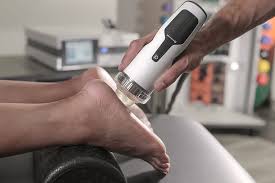
Focused Shockwave Therapy (Short Article)Focused Shockwave Therapy ek advanced non-surgical treatmen...
Read More
Cord Microcurrent Laser Therapy (Short Article)Cord Microcurrent Laser Therapy ek modern treatment t...
Read More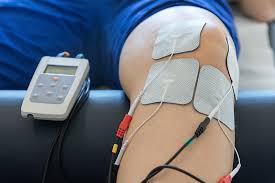
Electrotherapy kya hoti hai? (Short Article)Electrotherapy ek physiotherapy treatment hai jisme halk...
Read More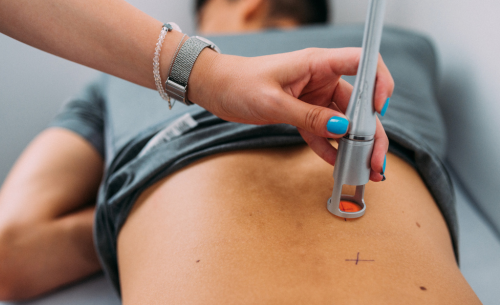
Class 4 Laser Needle Therapy (Short Article)Class 4 Laser Needle Therapy ek advanced treatment techn...
Read More
Common Neurological DisordersNeurodegenerative Diseases: Alzheimer’s disease, Parkinson's disea...
Read More