-
Magnum Physiotherapy | Contact No : +91 9998238617
Magnum Physiotherapy | Contact No : +91 9998238617
Guillain-Barré Syndrome (GBS) is an acute inflammatory disorder of the peripheral nervous system characterized by rapid onset of muscle weakness and sensory disturbances. In this condition, the immune system attacks the protective covering (myelin sheath) or, in some cases, the nerve fibers themselves, disrupting nerve signal transmission.
GBS often develops following an infection, such as a respiratory or gastrointestinal illness, although the exact cause is not always known. The condition usually begins with tingling and weakness in the feet and legs, which may progress upward to involve the arms, trunk, and facial muscles.
The severity of Guillain-Barré Syndrome varies significantly among individuals. While some people experience mild weakness, others may develop severe paralysis requiring hospitalization and respiratory support. Although most patients recover, rehabilitation is often necessary to regain strength, balance, coordination, and independence.
Recovery from GBS can take weeks, months, or even years depending on the severity of nerve damage. Physiotherapy and neurorehabilitation are essential components of recovery, helping patients restore movement, improve endurance, and return to daily activities safely.
At Magnum Physiotherapy, we provide comprehensive, evidence-based neurorehabilitation programs designed to maximize recovery and improve long-term outcomes for individuals living with GBS.
Although the exact cause remains unclear, GBS often occurs after:
Common infections associated with GBS include:
The most common form of GBS, involving damage to the myelin sheath.
Primarily affects motor nerves.
Affects both motor and sensory nerves.
A rare variant characterized by eye muscle weakness, balance problems, and absent reflexes.
At Magnum Physiotherapy, rehabilitation begins after medical diagnosis and stabilization.
Diagnostic tests may include:
Our physiotherapists conduct a detailed functional assessment to create a personalized rehabilitation plan.
Our neurorehabilitation programs are individualized according to the patient's recovery stage, functional level, and goals.
The prognosis for Guillain-Barré Syndrome varies:
Recovery may occur over:
Regular follow-up and progressive rehabilitation are essential throughout recovery.
At Magnum Physiotherapy, we specialize in advanced neurorehabilitation for neurological conditions such as Guillain-Barré Syndrome. Our multidisciplinary approach combines evidence-based physiotherapy, functional training, and individualized rehabilitation strategies to maximize recovery and independence. We are committed to supporting every patient throughout their rehabilitation journey and helping them achieve their highest functional potential.
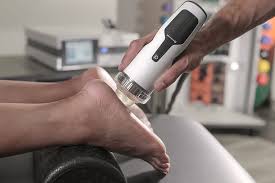
Focused Shockwave Therapy (Short Article)Focused Shockwave Therapy ek advanced non-surgical treatmen...
Read More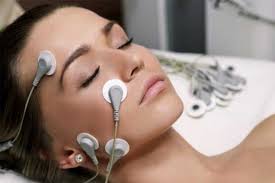
Cord Microcurrent Laser Therapy (Short Article)Cord Microcurrent Laser Therapy ek modern treatment t...
Read More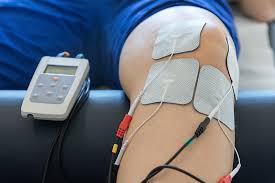
Electrotherapy kya hoti hai? (Short Article)Electrotherapy ek physiotherapy treatment hai jisme halk...
Read More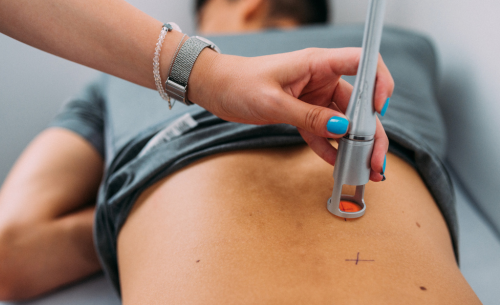
Class 4 Laser Needle Therapy (Short Article)Class 4 Laser Needle Therapy ek advanced treatment techn...
Read More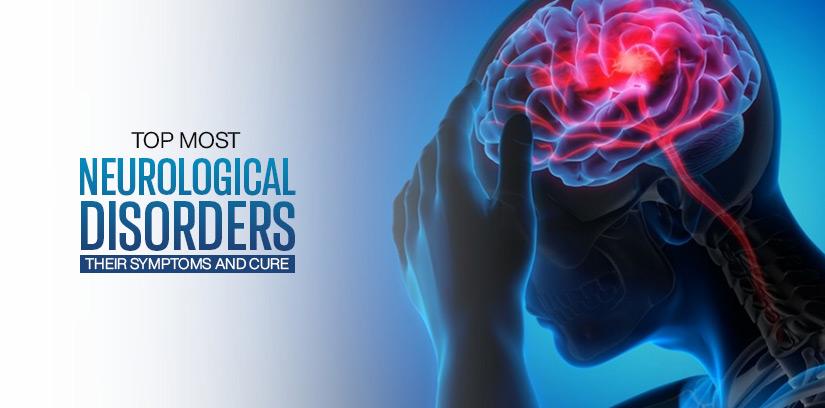
Common Neurological DisordersNeurodegenerative Diseases: Alzheimer’s disease, Parkinson's disea...
Read More