-
Magnum Physiotherapy | Contact No : +91 9998238617

Magnum Physiotherapy | Contact No : +91 9998238617
Trochanteric Bursitis, often included under the broader term Greater Trochanteric Pain Syndrome (GTPS), occurs when the bursa over the outer part of the hip becomes irritated or inflamed. A bursa is a small fluid-filled sac that helps reduce friction between muscles, tendons, and bones.
The greater trochanter is the prominent bony area on the outer side of the femur (thigh bone). Several tendons and muscles, including the gluteal muscles, pass over this region. Repetitive friction, muscle imbalance, overuse, or injury can irritate the bursa and surrounding tissues, resulting in pain and functional limitations.
Although bursitis was once thought to be the primary cause of lateral hip pain, many patients also have involvement of the gluteus medius and gluteus minimus tendons, making a comprehensive rehabilitation approach essential.
At Magnum Physiotherapy, our evidence-based treatment programs focus on reducing pain, correcting movement dysfunctions, improving hip strength, and helping patients return to their daily activities comfortably.
A bony prominence on the outer side of the femur.
Serves as an attachment site for several hip muscles.
A fluid-filled sac located between the greater trochanter and overlying soft tissues.
Functions to:
Important hip stabilizing muscles responsible for:
Dysfunction in these muscles commonly contributes to symptoms.
A thick band of connective tissue running along the outside of the thigh.
Tightness or excessive tension may increase irritation over the greater trochanter.
Symptoms often worsen with prolonged activity or direct pressure on the hip.
Common in activities involving:
Weak hip stabilizers can increase stress on the outer hip structures.
Examples include:
A thorough assessment helps determine the source of lateral hip pain.
Evaluation includes:
Common findings include:
May identify:
Useful for evaluating:
May help rule out arthritis or other bony conditions.
At Magnum Physiotherapy, we assess:
Most patients respond very well to conservative physiotherapy treatment.
Reducing aggravating activities helps decrease irritation.
May help reduce pain during flare-ups.
Patients learn strategies to reduce stress on the affected hip.
May include:
These techniques help improve mobility and reduce discomfort.
Target:
Improves flexibility and reduces tension around the hip.
A key component of recovery.
Focus on:
Improves pelvic stability.
Enhances hip power and control.
Supports overall lower body mechanics.
Improves movement efficiency during daily activities.
Addresses:
Depending on individual needs:
If symptoms persist despite physiotherapy:
May provide short-term symptom relief.
May be considered in selected tendon-related cases.
Rarely required but may be considered for chronic, treatment-resistant cases.
Recovery depends on:
Mild Cases
Moderate Cases
Chronic Cases
Most patients achieve excellent outcomes with structured physiotherapy.
Consult a healthcare professional if you experience:
Early treatment can prevent chronic pain and improve recovery outcomes.
At Magnum Physiotherapy, we specialize in hip rehabilitation and musculoskeletal care. Our personalized Trochanteric Bursitis treatment programs combine evidence-based physiotherapy, strengthening exercises, movement correction, manual therapy, and functional rehabilitation to help patients return to pain-free movement and active living.
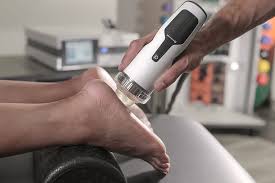
Focused Shockwave Therapy (Short Article)Focused Shockwave Therapy ek advanced non-surgical treatmen...
Read More
Cord Microcurrent Laser Therapy (Short Article)Cord Microcurrent Laser Therapy ek modern treatment t...
Read More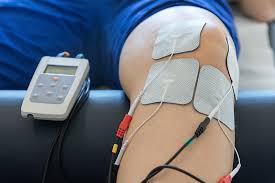
Electrotherapy kya hoti hai? (Short Article)Electrotherapy ek physiotherapy treatment hai jisme halk...
Read More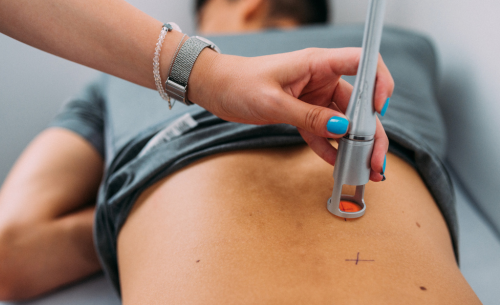
Class 4 Laser Needle Therapy (Short Article)Class 4 Laser Needle Therapy ek advanced treatment techn...
Read More
Common Neurological DisordersNeurodegenerative Diseases: Alzheimer’s disease, Parkinson's disea...
Read More