-
Magnum Physiotherapy | Contact No : +91 9998238617
Magnum Physiotherapy | Contact No : +91 9998238617
The Medial Collateral Ligament (MCL) is one of the primary stabilizing ligaments of the knee. It runs along the inner (medial) aspect of the knee, connecting the femur (thigh bone) to the tibia (shin bone). Its primary function is to resist forces that push the knee inward (valgus stress).
An MCL Injury occurs when the ligament is stretched, partially torn, or completely torn. These injuries are particularly common in contact sports but can also occur during non-contact activities involving sudden changes in direction, twisting, or awkward landings.
The severity of an MCL injury ranges from mild ligament stretching to complete rupture. Fortunately, many MCL injuries heal successfully with conservative treatment and physiotherapy.
At Magnum Physiotherapy, our evidence-based rehabilitation programs focus on restoring knee stability, rebuilding strength, improving movement patterns, and preventing future injury.
Located along the inner side of the knee.
The MCL works together with:
To maintain knee stability and function.
The MCL is closely connected to the medial meniscus, making combined injuries possible.
May occur with other ligament injuries.
Symptoms vary depending on injury severity.
A force applied to the outside of the knee can stress the MCL.
Common in:
Sudden changes in direction or awkward movements may injure the ligament.
Increased risk is associated with:
Accurate diagnosis helps guide treatment and rehabilitation.
At Magnum Physiotherapy, assessment includes:
The primary test used to evaluate MCL integrity.
Provides detailed assessment of:
May be used to rule out fractures or avulsion injuries.
Most MCL injuries respond well to conservative treatment.
Focuses on:
Exercises are progressed gradually to avoid overstressing the healing ligament.
A key component of rehabilitation.
Improves knee support and function.
Enhances dynamic stability.
Improves lower extremity alignment.
Supports movement control and balance.
Focuses on:
Includes:
Depending on patient needs:
May be recommended for moderate to severe injuries during healing.
Surgery is uncommon for isolated MCL injuries but may be considered when:
Post-surgical physiotherapy is critical for optimal recovery.
Recovery depends on:
Grade I
Grade II
Grade III
Post-Surgical Recovery
Most isolated MCL injuries heal successfully with proper rehabilitation.
Consult a healthcare professional if you experience:
Prompt evaluation can help prevent complications and ensure proper healing.
At Magnum Physiotherapy, we specialize in sports injury rehabilitation and orthopedic care. Our personalized MCL Injury treatment programs combine evidence-based physiotherapy, strength training, neuromuscular rehabilitation, movement retraining, and return-to-sport conditioning to help patients recover safely and regain full knee function.
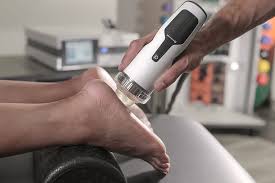
Focused Shockwave Therapy (Short Article)Focused Shockwave Therapy ek advanced non-surgical treatmen...
Read More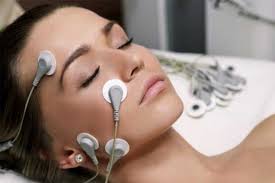
Cord Microcurrent Laser Therapy (Short Article)Cord Microcurrent Laser Therapy ek modern treatment t...
Read More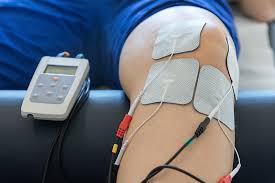
Electrotherapy kya hoti hai? (Short Article)Electrotherapy ek physiotherapy treatment hai jisme halk...
Read More
Class 4 Laser Needle Therapy (Short Article)Class 4 Laser Needle Therapy ek advanced treatment techn...
Read More
Common Neurological DisordersNeurodegenerative Diseases: Alzheimer’s disease, Parkinson's disea...
Read More