Logo

Whiplash


Whiplash, also known as Whiplash-Associated Disorder (WAD), is an injury to the soft tissues, joints, and sometimes nerves of the cervical spine caused by a sudden forceful movement of the neck.

The injury most commonly occurs during:

  • Rear-end motor vehicle collisions
  • Contact sports injuries
  • Falls
  • Physical trauma

During the injury, the neck undergoes rapid:

  • Hyperextension (backward movement)
  • Hyperflexion (forward movement)

This sudden motion may injure:

  • Muscles
  • Ligaments
  • Facet joints
  • Intervertebral discs
  • Nerve tissues

Symptoms can appear immediately or develop over several hours or days after the injury.

While many individuals recover within weeks, some may develop persistent symptoms known as chronic whiplash.

At Magnum Physiotherapy, our evidence-based rehabilitation programs focus on pain relief, restoring movement, improving strength, and preventing long-term complications.

Anatomy Involved

Cervical Spine Structures

  • Cervical vertebrae (C1–C7)
  • Intervertebral discs
  • Facet joints
  • Ligaments
  • Muscles and tendons

Commonly Affected Muscles

  • Sternocleidomastoid (SCM)
  • Upper trapezius
  • Levator scapulae
  • Deep cervical flexors
  • Suboccipital muscles

Neural Structures

  • Cervical nerve roots
  • Brachial plexus (in severe cases)

Grading of Whiplash (Quebec Task Force Classification)

Grade 0

  • No neck symptoms
  • No physical signs

Grade I

  • Neck pain, stiffness, or tenderness
  • No physical signs

Grade II

  • Neck symptoms with musculoskeletal signs such as reduced range of motion or tenderness

Grade III

  • Neck symptoms with neurological signs such as numbness, weakness, or altered reflexes

Grade IV

  • Neck symptoms with fracture or dislocation

Common Symptoms

  • Neck pain and stiffness
  • Reduced neck mobility
  • Headaches (often cervicogenic)
  • Shoulder pain
  • Upper back pain
  • Muscle spasms
  • Dizziness
  • Fatigue
  • Jaw pain
  • Tingling or numbness in the arms
  • Difficulty concentrating

Symptoms may worsen with prolonged sitting, driving, or computer use.

Causes & Risk Factors

Common Causes

  • Rear-end motor vehicle collisions
  • Sports injuries
  • Falls
  • Direct trauma

Risk Factors for Persistent Symptoms

  • Severe initial pain
  • Older age
  • Previous neck injuries
  • High levels of stress or anxiety
  • Delayed treatment

Conditions Associated with Whiplash

  • Cervicogenic Headache
  • Temporomandibular Joint Dysfunction (TMJ)
  • Cervical Facet Joint Syndrome
  • Myofascial Pain Syndrome
  • Cervical Radiculopathy
  • Dizziness and Balance Disorders

Diagnosis

Diagnosis is based on clinical assessment and exclusion of serious injuries.

At Magnum Physiotherapy, assessment may include:

  • Detailed medical history
  • Pain assessment
  • Cervical range of motion testing
  • Muscle strength evaluation
  • Neurological examination
  • Postural assessment
  • Functional assessment

Imaging Studies

Imaging may be recommended when necessary:

  • X-rays
  • CT scans
  • MRI scans

These studies help rule out fractures, dislocations, or significant soft tissue injuries.

Treatment at Magnum Physiotherapy

Early movement and rehabilitation are generally recommended for most cases of whiplash.

Acute Phase Management

  • Pain education
  • Activity modification
  • Gentle movement exercises
  • Postural advice

Prolonged immobilization with a cervical collar is generally not recommended unless advised by a physician.

Advanced Physiotherapy Treatments

  • Class IV Laser Therapy
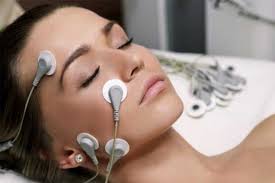
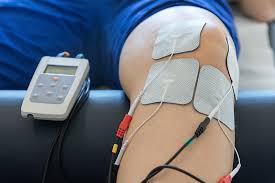
  • TENS Therapy
  • Interferential Therapy (IFT)
  • Dry Needling
  • Therapeutic Ultrasound
  • Frequency Specific Microcurrent (FSM)

Manual Therapy

  • Joint Mobilization
  • Soft Tissue Mobilization
  • Myofascial Release
  • Trigger Point Therapy

Rehabilitation Programs

Mobility Exercises

  • Cervical range of motion exercises
  • Stretching programs
  • Thoracic mobility exercises

Strengthening Exercises

  • Deep cervical flexor training
  • Scapular stabilization exercises
  • Postural strengthening

Functional Rehabilitation

  • Ergonomic correction
  • Return-to-work programs
  • Balance exercises
  • Home exercise programs

Benefits of Physiotherapy for Whiplash

  • Reduces pain and stiffness
  • Improves neck mobility
  • Restores muscle strength
  • Reduces headaches
  • Improves posture
  • Enhances function
  • Reduces risk of chronic symptoms
  • Improves confidence with movement
  • Supports return to work
  • Enhances quality of life

Recovery & Prognosis

Most individuals improve within weeks to months, although recovery time varies.

Factors influencing recovery include:

  • Severity of injury
  • Presence of neurological symptoms
  • Early rehabilitation
  • Adherence to treatment

Early physiotherapy intervention is associated with improved outcomes.

When Should You Seek Immediate Medical Attention?

Seek urgent medical evaluation if you experience:

  • Severe neck pain after trauma
  • Weakness in the arms or legs
  • Loss of sensation
  • Difficulty walking
  • Loss of bladder or bowel control
  • Severe headache or altered consciousness

These symptoms may indicate serious spinal or neurological injury.

Prevention Tips

  • Use seat belts correctly
  • Adjust vehicle headrests properly
  • Maintain good posture
  • Strengthen neck and shoulder muscles
  • Use appropriate sports safety equipment

Why Choose Magnum Physiotherapy?

At Magnum Physiotherapy, we specialize in spine and neck rehabilitation using evidence-based physiotherapy and advanced technologies. Our personalized treatment programs combine manual therapy, exercise rehabilitation, and pain management strategies to help patients recover from whiplash and return confidently to daily activities.

Our Blog

Chat with us Call us