-
Magnum Physiotherapy | Contact No : +91 9998238617
Magnum Physiotherapy | Contact No : +91 9998238617
The spine is made up of vertebrae separated by intervertebral discs, which act as shock absorbers and provide flexibility to the spine. Each disc consists of a tough outer layer called the annulus fibrosus and a soft gel-like center called the nucleus pulposus.
A Disc Bulge occurs when the disc extends outward beyond its normal margins without rupture of the outer layer. This differs from a herniated disc, where the inner material breaks through the outer layer. While some disc bulges may not cause symptoms, others can press on nearby spinal nerves, resulting in pain and neurological symptoms.
Disc bulges most commonly occur in:
Disc bulges may develop gradually due to age-related degeneration or suddenly following injury, heavy lifting, or repetitive strain. Poor posture, prolonged sitting, weak core muscles, and sedentary lifestyles can further increase stress on the spinal discs.
At Magnum Physiotherapy, we focus on identifying the root cause of symptoms rather than simply treating pain. Our evidence-based rehabilitation programs are designed to relieve nerve irritation, improve spinal mechanics, strengthen supporting muscles, and prevent recurrence.
The disc bulges uniformly around its circumference.
The disc bulges in a specific area.
Occurs in the neck region.
Occurs in the lower back.
At Magnum Physiotherapy, we perform a comprehensive spinal assessment to determine whether the disc bulge is responsible for your symptoms.
The evaluation may include:
It is important to note that many people may have disc bulges on MRI without symptoms. Therefore, clinical correlation is essential.
Our non-surgical treatment programs aim to reduce pain, relieve nerve pressure, improve spinal function, and prevent recurrence.
Seek urgent medical care if you experience:
These symptoms may indicate Cauda Equina Syndrome, which requires emergency medical attention.
At Magnum Physiotherapy, we specialize in advanced spine rehabilitation using evidence-based physiotherapy techniques and cutting-edge technologies. Our integrated approach combines Cox® Flexion Distraction Therapy, Class IV Laser Therapy, FSM, PNE, and personalized rehabilitation programs to provide long-lasting pain relief and functional recovery. We focus on treating the root cause of spinal dysfunction, helping patients move better, recover faster, and live pain-free.
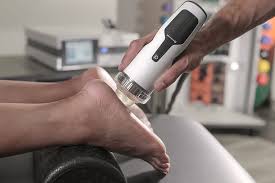
Focused Shockwave Therapy (Short Article)Focused Shockwave Therapy ek advanced non-surgical treatmen...
Read More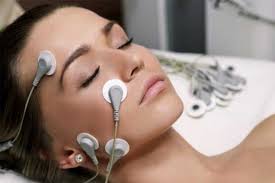
Cord Microcurrent Laser Therapy (Short Article)Cord Microcurrent Laser Therapy ek modern treatment t...
Read More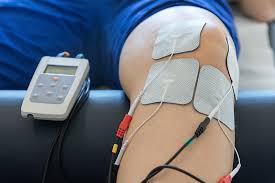
Electrotherapy kya hoti hai? (Short Article)Electrotherapy ek physiotherapy treatment hai jisme halk...
Read More
Class 4 Laser Needle Therapy (Short Article)Class 4 Laser Needle Therapy ek advanced treatment techn...
Read More
Common Neurological DisordersNeurodegenerative Diseases: Alzheimer’s disease, Parkinson's disea...
Read More