Logo

Myositis Ossification (mo)


Myositis Ossificans (MO) is a benign condition characterized by the abnormal formation of bone tissue (heterotopic ossification) within muscles, tendons, or other soft tissues. Despite its name, the condition does not primarily involve inflammation of the muscles; rather, it represents an abnormal healing response following injury.

Myositis Ossificans most commonly develops after:

  • Direct muscle trauma
  • Severe contusions (bruises)
  • Repeated microtrauma
  • Muscle strains
  • Surgical procedures

Following injury, bleeding occurs within the muscle. In some cases, instead of healing normally, immature bone begins to form inside the damaged soft tissue. This process typically develops over several weeks.

The condition frequently affects large muscles such as:

  • Quadriceps
  • Brachialis
  • Adductor muscles
  • Hamstrings

Athletes participating in contact sports are at increased risk due to repeated impacts and muscle injuries.

At Magnum Physiotherapy, our rehabilitation programs focus on controlling pain, preserving mobility, and safely progressing return to activity while protecting healing tissues.

Types of Myositis Ossificans

Traumatic Myositis Ossificans

The most common type, occurring after a direct injury or muscle contusion.

Neurogenic Heterotopic Ossification

Develops after neurological injuries such as:

  • Spinal cord injury
  • Traumatic brain injury
  • Stroke

Fibrodysplasia Ossificans Progressiva (FOP)

A rare genetic disorder causing progressive formation of bone in soft tissues throughout the body.

Anatomy Commonly Involved

Muscles Frequently Affected

  • Quadriceps Femoris
  • Brachialis
  • Adductor Group
  • Hamstrings
  • Deltoid (less commonly)

Soft Tissues

  • Tendons
  • Fascia
  • Connective tissues

The quadriceps muscle, especially after a thigh contusion, is the most commonly affected site.

Common Symptoms

Symptoms usually develop 2–6 weeks after injury and may include:

  • Persistent pain after a muscle injury
  • Swelling or a palpable lump
  • Muscle stiffness
  • Reduced range of motion
  • Tenderness over the affected area
  • Warmth around the injury site
  • Difficulty moving the involved limb
  • Weakness of the affected muscle
  • Pain during activity
  • Delayed recovery after trauma

Causes & Risk Factors

Traumatic Causes

  • Direct muscle contusions
  • Repeated trauma
  • Severe muscle strains
  • Sports injuries

Treatment-Related Factors

  • Aggressive massage immediately after injury
  • Premature return to sports
  • Excessive stretching in the acute phase

Surgical Causes

  • Orthopedic surgery
  • Joint replacement procedures

Neurological Causes

  • Spinal cord injury
  • Brain injury
  • Stroke

Risk Factors

  • Contact sports participation
  • Inadequate initial treatment
  • Previous muscle injury
  • Recurrent trauma

Stages of Myositis Ossificans

Early Stage (0–2 Weeks)

  • Pain and swelling
  • Inflammation
  • Limited motion

Intermediate Stage (2–6 Weeks)

  • Formation of immature bone
  • Increasing stiffness
  • Palpable mass may develop

Mature Stage (6 Weeks–6 Months)

  • Bone maturation occurs
  • Symptoms gradually stabilize

Conditions Associated with Myositis Ossificans

  • Quadriceps Contusion
  • Muscle Strain
  • Heterotopic Ossification
  • Joint Stiffness
  • Post-Traumatic Injuries
  • Neurological Disorders

Diagnosis

At Magnum Physiotherapy, we perform a comprehensive musculoskeletal assessment.

Evaluation may include:

  • Detailed medical history
  • Physical examination
  • Range of motion assessment
  • Muscle strength testing
  • Functional evaluation

Imaging Studies

  • X-rays
  • Ultrasound
  • CT scans
  • MRI scans

Early X-rays may appear normal; bone formation often becomes visible after 2–4 weeks.

Differential Diagnosis

Conditions that may mimic Myositis Ossificans include:

  • Soft tissue tumors
  • Osteosarcoma
  • Hematoma
  • Muscle abscess
  • Stress fractures

Accurate diagnosis is essential to guide treatment.

Treatment at Magnum Physiotherapy

Treatment aims to control symptoms, preserve mobility, and promote safe recovery.

Acute Phase Management

  • Protection of the injured area
  • Relative rest
  • Ice therapy when appropriate
  • Compression and elevation

Aggressive massage and stretching should be avoided in the early stages, as they may worsen heterotopic bone formation.

Advanced Physiotherapy Treatments

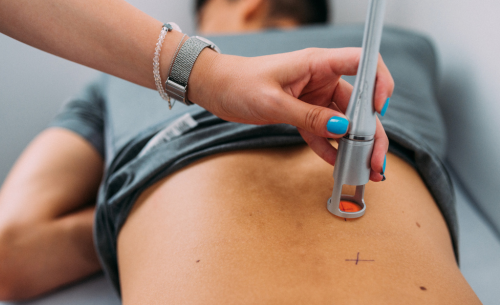
  • Class IV Laser Therapy
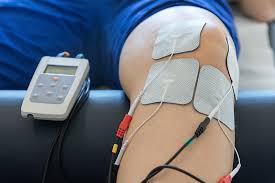
  • TENS Therapy
  • Interferential Therapy (IFT)
  • Therapeutic Ultrasound (when clinically appropriate)
  • Frequency Specific Microcurrent (FSM)

Rehabilitation Programs

Mobility Exercises

  • Gentle range of motion exercises
  • Joint mobility training
  • Flexibility programs

Strengthening Exercises

  • Progressive strengthening
  • Isometric exercises
  • Functional strengthening

Functional Rehabilitation

  • Gait training when needed
  • Sports-specific rehabilitation
  • Return-to-play programs

Home Exercise Programs

Customized exercises to maintain recovery and prevent recurrence.

Benefits of Physiotherapy for Myositis Ossificans

  • Reduces pain and stiffness
  • Maintains joint mobility
  • Improves muscle strength
  • Restores functional movement
  • Enhances flexibility
  • Prevents secondary complications
  • Supports safe return to activity
  • Improves athletic performance
  • Reduces risk of recurrence
  • Improves quality of life

When Is Surgery Needed?

Surgical removal may be considered when:

  • Mature bone causes significant symptoms
  • Joint movement is severely restricted
  • Nerve compression occurs
  • Conservative treatment fails

Surgery is usually delayed until the abnormal bone has matured, often after 6–12 months, to reduce the risk of recurrence.

Post-surgical physiotherapy is essential for restoring function.

Recovery & Prognosis

Recovery depends on:

  • Severity of injury
  • Size and location of ossification
  • Patient age and activity level
  • Adherence to rehabilitation

Many individuals recover well with conservative treatment, although recovery may take several months.

Prevention Tips

  • Proper management of muscle injuries
  • Avoid aggressive massage after severe contusions
  • Follow gradual return-to-sport protocols
  • Use protective sports equipment
  • Seek early medical evaluation for persistent symptoms

Why Choose Magnum Physiotherapy?

At Magnum Physiotherapy, we specialize in sports injury and musculoskeletal rehabilitation using evidence-based physiotherapy and advanced technologies. Our individualized treatment programs combine pain management, mobility restoration, strengthening, and functional rehabilitation to optimize recovery and help patients safely return to their activities.

Our Blog

Chat with us Call us