-
Magnum Physiotherapy | Contact No : +91 9998238617
Magnum Physiotherapy | Contact No : +91 9998238617
Erb’s Palsy, also known as Erb-Duchenne Palsy, is a type of brachial plexus injury involving damage to the upper nerves of the brachial plexus, most commonly the C5 and C6 nerve roots. These nerves control the movement and sensation of the shoulder, arm, and part of the hand.
The condition most frequently occurs during difficult childbirth when excessive stretching of the baby's neck and shoulder region injures the brachial plexus nerves. In some cases, Erb’s Palsy can also occur following trauma, falls, or accidents in older children and adults.
The affected arm often assumes a characteristic “waiter's tip” posture, where the arm hangs by the side with the shoulder internally rotated, elbow extended, forearm pronated, and wrist flexed.
The severity of Erb’s Palsy varies depending on the extent of nerve damage:
Many children experience significant improvement with early intervention, while some may require long-term rehabilitation or surgical management. Physiotherapy plays a vital role in promoting nerve healing, maintaining joint mobility, strengthening muscles, and improving functional use of the affected arm.
At Magnum Physiotherapy, we provide comprehensive pediatric rehabilitation programs designed to maximize recovery and support developmental milestones.
Primarily affects shoulder and elbow movement.
Involves additional weakness of the wrist and fingers.
Affects the entire arm and hand.
At Magnum Physiotherapy, we perform a comprehensive assessment to evaluate the extent of nerve involvement and functional limitations.
The evaluation may include:
This thorough assessment allows us to develop an individualized rehabilitation plan.
Our rehabilitation approach focuses on maximizing recovery, improving function, and preventing secondary complications.
The prognosis depends on the severity of nerve injury:
Early physiotherapy significantly improves functional outcomes and long-term recovery.
At Magnum Physiotherapy, our pediatric rehabilitation team specializes in evidence-based treatment for brachial plexus injuries and neurological conditions. We work closely with families to provide individualized care, developmental support, and long-term rehabilitation strategies that help children reach their full potential. Our goal is to maximize recovery, improve function, and enhance quality of life for every child.
Focused Shockwave Therapy (Short Article)Focused Shockwave Therapy ek advanced non-surgical treatmen...
Read More
Cord Microcurrent Laser Therapy (Short Article)Cord Microcurrent Laser Therapy ek modern treatment t...
Read More
Electrotherapy kya hoti hai? (Short Article)Electrotherapy ek physiotherapy treatment hai jisme halk...
Read More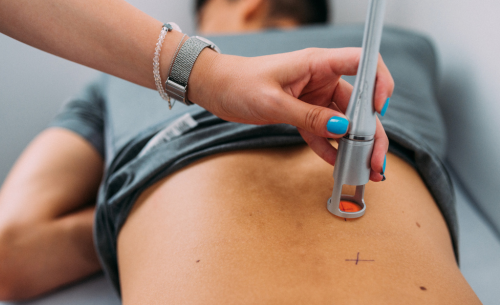
Class 4 Laser Needle Therapy (Short Article)Class 4 Laser Needle Therapy ek advanced treatment techn...
Read More
Common Neurological DisordersNeurodegenerative Diseases: Alzheimer’s disease, Parkinson's disea...
Read More