-
Magnum Physiotherapy | Contact No : +91 9998238617
Magnum Physiotherapy | Contact No : +91 9998238617
A Discectomy is a spinal surgery designed to relieve pressure on nerves caused by a damaged or herniated intervertebral disc. The procedure involves removing the portion of the disc that is pressing on nearby neural structures.
Intervertebral discs act as cushions between the vertebrae and consist of:
When a disc herniates or bulges, disc material may compress adjacent nerves, causing symptoms such as:
Discectomy is most commonly performed in the:
The primary goal of surgery is to reduce nerve compression, relieve symptoms, and improve function.
At Magnum Physiotherapy, our post-surgical rehabilitation programs focus on restoring mobility, strengthening the spine, and preventing recurrence.
A minimally invasive procedure using small incisions and magnification to remove disc material.
This is the most common type for lumbar disc herniation.
A traditional surgical approach involving a larger incision.
Uses an endoscope and very small incisions for minimally invasive treatment.
Performed in the neck to relieve cervical nerve or spinal cord compression.
Discectomy may be considered when:
Emergency surgery may be required in conditions such as:
Patients undergoing discectomy may experience:
Although techniques vary, surgery generally involves:
The procedure typically lasts 1–2 hours, depending on complexity.
As with any surgery, risks may include:
Fortunately, most discectomies are successful and provide significant symptom relief.
Physiotherapy plays a crucial role in recovery following discectomy.
Goals:
Interventions:
Goals:
Interventions:
Goals:
Interventions:
Depending on recovery stage, treatment may include:
Recovery time varies depending on:
Many patients return to light activities within a few weeks, while full recovery may take 6–12 weeks or longer.
At Magnum Physiotherapy, we specialize in spine rehabilitation and post-surgical recovery using evidence-based physiotherapy and advanced technologies. Our individualized rehabilitation programs focus on restoring strength, improving mobility, and helping patients safely return to work, sports, and daily life.
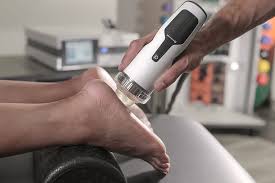
Focused Shockwave Therapy (Short Article)Focused Shockwave Therapy ek advanced non-surgical treatmen...
Read More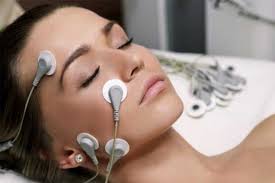
Cord Microcurrent Laser Therapy (Short Article)Cord Microcurrent Laser Therapy ek modern treatment t...
Read More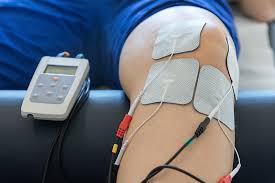
Electrotherapy kya hoti hai? (Short Article)Electrotherapy ek physiotherapy treatment hai jisme halk...
Read More
Class 4 Laser Needle Therapy (Short Article)Class 4 Laser Needle Therapy ek advanced treatment techn...
Read More
Common Neurological DisordersNeurodegenerative Diseases: Alzheimer’s disease, Parkinson's disea...
Read More