-
Magnum Physiotherapy | Contact No : +91 9998238617
Magnum Physiotherapy | Contact No : +91 9998238617
Swan Neck Deformity is a condition affecting the fingers, where there is hyperextension of the proximal interphalangeal (PIP) joint and flexion of the distal interphalangeal (DIP) joint. This abnormal positioning creates a characteristic appearance resembling the neck of a swan.
The deformity occurs due to an imbalance between the muscles, tendons, ligaments, and joint structures that control finger movement. Over time, this imbalance can lead to progressive changes in finger alignment, stiffness, weakness, and difficulty performing everyday tasks.
Swan Neck Deformity is most commonly associated with Rheumatoid Arthritis (RA), but it may also develop following trauma, tendon injuries, ligament laxity, neurological disorders, or untreated mallet finger injuries. In some individuals, connective tissue disorders or chronic inflammation may also contribute to its development.
The condition may begin as a flexible deformity, where the finger can still be straightened manually. If left untreated, it can progress to a fixed deformity that significantly impairs hand function. Patients may experience difficulty gripping objects, writing, buttoning clothes, typing, or performing fine motor activities.
At Magnum Physiotherapy, our hand rehabilitation specialists perform comprehensive assessments to determine the underlying cause and severity of the deformity. We then develop personalized treatment plans aimed at relieving symptoms, improving joint mobility, strengthening hand muscles, and preserving function.
Early intervention and appropriate rehabilitation are essential to prevent progression and maintain long-term hand function.
At Magnum Physiotherapy, diagnosis begins with a detailed clinical evaluation to determine the severity of the deformity and its effect on hand function.
The assessment may include:
This comprehensive evaluation helps us create a personalized treatment strategy tailored to the patient's condition and goals.
Our treatment approach focuses on reducing pain, improving function, preventing progression, and maximizing hand mobility.
Surgical intervention may be considered if:
Physiotherapy is essential both before and after surgery to maximize outcomes and restore hand function.
At Magnum Physiotherapy, we provide comprehensive hand therapy using evidence-based rehabilitation techniques and advanced treatment technologies. Our individualized programs focus on pain relief, joint protection, functional restoration, and long-term hand health. We are committed to helping patients regain confidence, independence, and optimal hand function.
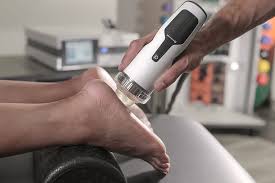
Focused Shockwave Therapy (Short Article)Focused Shockwave Therapy ek advanced non-surgical treatmen...
Read More
Cord Microcurrent Laser Therapy (Short Article)Cord Microcurrent Laser Therapy ek modern treatment t...
Read More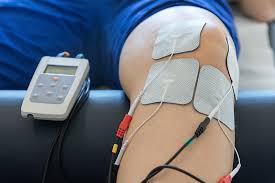
Electrotherapy kya hoti hai? (Short Article)Electrotherapy ek physiotherapy treatment hai jisme halk...
Read More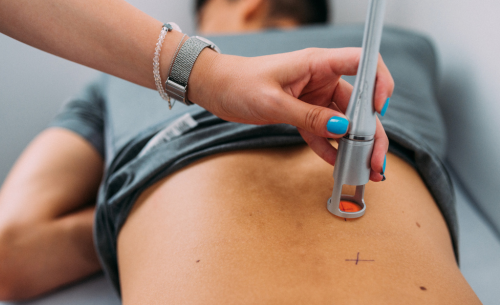
Class 4 Laser Needle Therapy (Short Article)Class 4 Laser Needle Therapy ek advanced treatment techn...
Read More
Common Neurological DisordersNeurodegenerative Diseases: Alzheimer’s disease, Parkinson's disea...
Read More