-
Magnum Physiotherapy | Contact No : +91 9998238617
Magnum Physiotherapy | Contact No : +91 9998238617
The hip joint is a ball-and-socket joint formed by the head of the femur (thigh bone) and the acetabulum of the pelvis. It is one of the largest weight-bearing joints in the body and is essential for walking, climbing stairs, sitting, and maintaining balance.
Over time, conditions such as osteoarthritis, rheumatoid arthritis, avascular necrosis, fractures, or severe joint damage can lead to persistent hip pain, stiffness, and loss of function. When conservative treatments such as medication, injections, and physiotherapy no longer provide adequate relief, Total Hip Replacement (THR) may be recommended.
During THR surgery, the damaged portions of the hip joint are removed and replaced with artificial components made of metal, ceramic, or durable plastic materials. The goal of surgery is to reduce pain, improve joint movement, and enhance quality of life.
Successful outcomes after THR depend not only on the surgery itself but also on a structured rehabilitation program. Physiotherapy is crucial for restoring strength, mobility, balance, and functional independence while minimizing the risk of complications.
At Magnum Physiotherapy, our specialized THR rehabilitation programs are designed to guide patients safely through every stage of recovery—from prehabilitation before surgery to advanced functional training after surgery.
Preparing for surgery through physiotherapy can significantly improve recovery outcomes.
Benefits of prehabilitation include improved surgical outcomes, faster recovery, and better post-operative function.
Following surgery, patients may experience:
These symptoms are expected and improve with guided rehabilitation.
Our post-THR rehabilitation program is individualized according to the patient's surgical approach, physical condition, and recovery goals.
Focus on pain control, mobility, walking, and basic exercises.
Emphasis on strengthening, balance, and daily activities.
Return to recreational activities, improved endurance, and functional independence.
Recovery timelines vary depending on age, overall health, and individual healing.
Depending on the surgical approach, your physiotherapist may advise precautions such as:
Always follow your surgeon's and physiotherapist's recommendations.
At Magnum Physiotherapy, we specialize in pre- and post-surgical orthopedic rehabilitation using evidence-based treatment protocols and advanced technologies. Our experienced physiotherapists provide personalized recovery programs designed to maximize mobility, strength, and independence after Total Hip Replacement. We are committed to helping every patient achieve a safe, confident, and successful recovery.
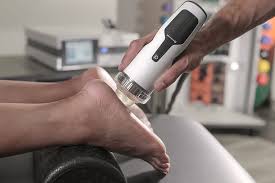
Focused Shockwave Therapy (Short Article)Focused Shockwave Therapy ek advanced non-surgical treatmen...
Read More
Cord Microcurrent Laser Therapy (Short Article)Cord Microcurrent Laser Therapy ek modern treatment t...
Read More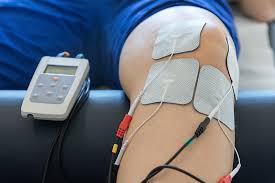
Electrotherapy kya hoti hai? (Short Article)Electrotherapy ek physiotherapy treatment hai jisme halk...
Read More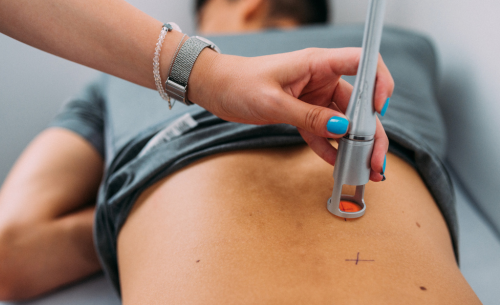
Class 4 Laser Needle Therapy (Short Article)Class 4 Laser Needle Therapy ek advanced treatment techn...
Read More
Common Neurological DisordersNeurodegenerative Diseases: Alzheimer’s disease, Parkinson's disea...
Read More