-
Magnum Physiotherapy | Contact No : +91 9998238617
Magnum Physiotherapy | Contact No : +91 9998238617
A Quadriceps Muscle Strain occurs when one or more of the four muscles that make up the quadriceps group become overstretched or torn. The quadriceps muscles—Rectus Femoris, Vastus Lateralis, Vastus Medialis, and Vastus Intermedius—are responsible for knee extension, hip flexion, walking, running, jumping, and maintaining lower limb stability.
Quadriceps strains commonly occur during activities that involve sudden acceleration, sprinting, kicking, jumping, or abrupt changes in direction. Athletes participating in football, cricket, basketball, athletics, cycling, and other high-intensity sports are particularly susceptible to this injury.
Muscle strains are generally classified into three grades:
Without proper treatment and rehabilitation, a quadriceps strain can lead to prolonged weakness, recurrent injuries, reduced athletic performance, and chronic muscle dysfunction. Early diagnosis and physiotherapy play a crucial role in ensuring optimal recovery and preventing re-injury.
At Magnum Physiotherapy, we use evidence-based rehabilitation protocols and advanced technologies to accelerate healing, restore muscle function, and facilitate a safe return to activity.
Mild overstretching with minimal tissue damage and quick recovery.
Partial tearing of muscle fibers causing moderate pain and functional limitation.
Complete rupture of the muscle requiring extensive rehabilitation and, in some cases, surgical intervention.
At Magnum Physiotherapy, a detailed assessment is performed to determine the severity of the strain and identify contributing factors.
The evaluation may include:
This comprehensive assessment helps guide a personalized treatment plan for optimal recovery.
Our rehabilitation program focuses on pain relief, tissue healing, muscle strengthening, and return-to-sport readiness.
At Magnum Physiotherapy, we combine advanced treatment technologies with evidence-based rehabilitation to ensure the best possible outcomes for muscle injuries. Our individualized treatment plans focus on healing, strengthening, and injury prevention, helping patients recover faster and return to their desired level of activity safely and confidently.
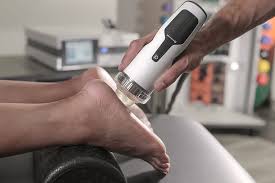
Focused Shockwave Therapy (Short Article)Focused Shockwave Therapy ek advanced non-surgical treatmen...
Read More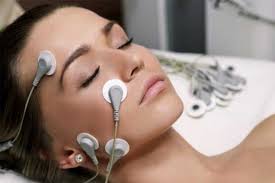
Cord Microcurrent Laser Therapy (Short Article)Cord Microcurrent Laser Therapy ek modern treatment t...
Read More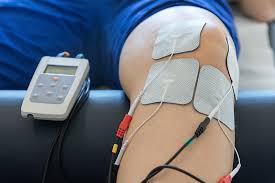
Electrotherapy kya hoti hai? (Short Article)Electrotherapy ek physiotherapy treatment hai jisme halk...
Read More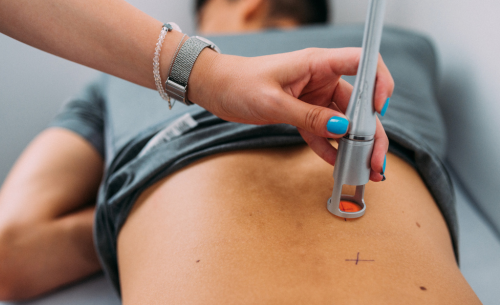
Class 4 Laser Needle Therapy (Short Article)Class 4 Laser Needle Therapy ek advanced treatment techn...
Read More
Common Neurological DisordersNeurodegenerative Diseases: Alzheimer’s disease, Parkinson's disea...
Read More