-
Magnum Physiotherapy | Contact No : +91 9998238617
Magnum Physiotherapy | Contact No : +91 9998238617
Trigger Finger, medically known as Stenosing Tenosynovitis, is a common hand condition that affects the tendons responsible for bending the fingers or thumb. Tendons normally glide smoothly through protective tunnels called tendon sheaths. When the tendon or its sheath becomes inflamed, thickened, or swollen, the tendon cannot move freely.
As a result, the finger may catch, lock, or snap during movement—similar to pulling and releasing a trigger. In severe cases, the finger may become locked in a bent position and require assistance to straighten.
Trigger Finger most commonly affects:
The condition may involve one or multiple fingers and can occur in one or both hands.
Trigger Finger is commonly associated with repetitive gripping activities, diabetes, rheumatoid arthritis, and occupations requiring repeated hand use. Early treatment can prevent worsening of symptoms and avoid long-term stiffness.
At Magnum Physiotherapy, our hand rehabilitation programs focus on reducing inflammation, restoring tendon mobility, improving strength, and preventing recurrence.
Affects the thumb tendon.
Involves one finger.
Affects more than one finger simultaneously.
Pain and tenderness without locking.
Clicking or catching during movement.
Finger locks and requires assistance to straighten.
The finger remains permanently bent.
At Magnum Physiotherapy, diagnosis is primarily based on clinical examination and functional assessment.
The evaluation may include:
This thorough evaluation helps determine the severity of the condition and guide treatment planning.
Our treatment programs focus on reducing inflammation, improving tendon gliding, and restoring hand function.
Surgical treatment may be considered if:
Physiotherapy after surgery is essential to restore mobility, reduce scar formation, and regain strength.
At Magnum Physiotherapy, we specialize in advanced hand rehabilitation using evidence-based physiotherapy techniques and state-of-the-art technologies. Our personalized treatment plans combine Laser Therapy, FSM, tendon gliding exercises, and functional rehabilitation to provide effective pain relief and long-term recovery. We are committed to helping patients regain pain-free hand function and return to their daily activities with confidence
Focused Shockwave Therapy (Short Article)Focused Shockwave Therapy ek advanced non-surgical treatmen...
Read More
Cord Microcurrent Laser Therapy (Short Article)Cord Microcurrent Laser Therapy ek modern treatment t...
Read More
Electrotherapy kya hoti hai? (Short Article)Electrotherapy ek physiotherapy treatment hai jisme halk...
Read More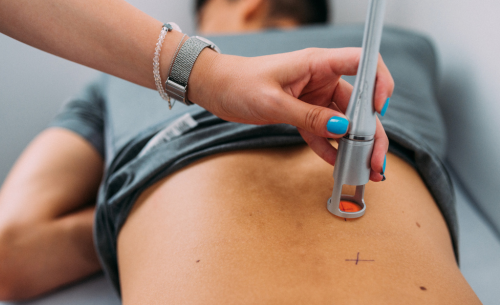
Class 4 Laser Needle Therapy (Short Article)Class 4 Laser Needle Therapy ek advanced treatment techn...
Read More
Common Neurological DisordersNeurodegenerative Diseases: Alzheimer’s disease, Parkinson's disea...
Read More