-
Magnum Physiotherapy | Contact No : +91 9998238617
Magnum Physiotherapy | Contact No : +91 9998238617
Lumbarization is a congenital anomaly of the spine in which the first sacral vertebra (S1) remains separate from the sacrum and functions like an additional lumbar vertebra. Normally, the sacrum is formed by the fusion of five sacral vertebrae (S1–S5). In lumbarization, S1 fails to fuse completely, resulting in the appearance of six lumbar vertebrae instead of the usual five.
Lumbarization is classified as a type of Lumbosacral Transitional Vertebra (LSTV) and is considered the opposite of sacralization, where the fifth lumbar vertebra (L5) fuses with the sacrum.
Many individuals with lumbarization never develop symptoms and may only discover the condition during X-rays or MRI scans performed for unrelated reasons. However, in some people, the altered anatomy can affect spinal mechanics and increase stress on surrounding discs, joints, ligaments, and muscles.
This altered biomechanics may contribute to:
When lumbarization causes symptoms, it may be associated with Bertolotti Syndrome or other mechanical low back disorders.
At Magnum Physiotherapy, we focus on addressing the functional consequences of lumbarization through individualized rehabilitation programs that improve spinal stability, mobility, and movement patterns.
Lumbarization is a congenital condition present from birth and is not caused by injury or lifestyle factors.
However, symptoms may be influenced by:
The S1 vertebra is completely separated from the sacrum.
Partial fusion remains between S1 and the sacrum.
Occurs on one side of the vertebra.
Occurs on both sides.
At Magnum Physiotherapy, we perform a detailed assessment to determine whether lumbarization is contributing to symptoms.
The evaluation may include:
Imaging studies are essential to identify and classify lumbarization.
Most symptomatic cases of lumbarization respond well to conservative physiotherapy.
Surgery is rarely required for lumbarization and is generally reserved for:
Most patients experience significant improvement with physiotherapy and lifestyle modifications.
At Magnum Physiotherapy, we specialize in advanced spine rehabilitation using evidence-based physiotherapy techniques and cutting-edge technologies. Our individualized treatment programs combine Cox® Flexion Distraction, Laser Therapy, FSM, DNS, and targeted rehabilitation to provide lasting relief and improve spinal function. We are committed to helping patients regain mobility, reduce pain, and return to an active lifestyle.
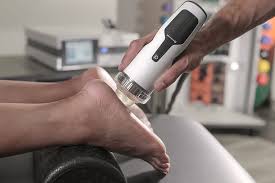
Focused Shockwave Therapy (Short Article)Focused Shockwave Therapy ek advanced non-surgical treatmen...
Read More
Cord Microcurrent Laser Therapy (Short Article)Cord Microcurrent Laser Therapy ek modern treatment t...
Read More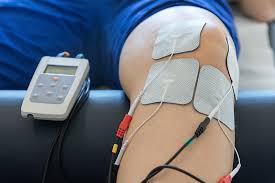
Electrotherapy kya hoti hai? (Short Article)Electrotherapy ek physiotherapy treatment hai jisme halk...
Read More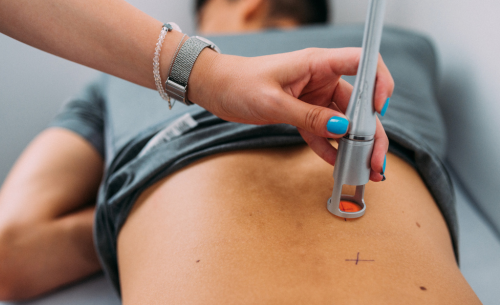
Class 4 Laser Needle Therapy (Short Article)Class 4 Laser Needle Therapy ek advanced treatment techn...
Read More
Common Neurological DisordersNeurodegenerative Diseases: Alzheimer’s disease, Parkinson's disea...
Read More