-
Magnum Physiotherapy | Contact No : +91 9998238617
Magnum Physiotherapy | Contact No : +91 9998238617
Wrist Drop, also known as Drop Wrist, is a clinical condition in which an individual is unable to lift the wrist and fingers upward due to weakness or paralysis of the wrist extensor muscles. This results in the hand hanging downward in a flexed position.
The condition most commonly occurs due to injury or compression of the radial nerve, which controls the muscles responsible for extending the wrist, fingers, and thumb. The radial nerve originates from the brachial plexus (C5–T1 nerve roots) and travels down the arm to supply these muscles and provide sensation to parts of the hand.
Depending on the location and severity of nerve injury, wrist drop may be accompanied by numbness, tingling, reduced grip strength, and difficulty performing fine motor tasks.
Wrist Drop can develop following:
If left untreated, prolonged weakness can lead to muscle wasting, joint stiffness, and impaired hand function. Early diagnosis and rehabilitation are essential for optimal recovery.
At Magnum Physiotherapy, we provide comprehensive nerve rehabilitation programs aimed at promoting nerve healing, restoring movement, and improving functional independence.
At Magnum Physiotherapy, we perform a detailed neurological and functional assessment to determine the underlying cause of wrist drop.
The evaluation may include:
This comprehensive evaluation helps guide treatment planning and rehabilitation.
Our rehabilitation programs focus on nerve recovery, strengthening, and restoring hand function.
Recovery depends on:
Mild compression injuries may recover within weeks to months, while severe nerve injuries may require prolonged rehabilitation or surgical intervention.
At Magnum Physiotherapy, we specialize in advanced nerve and hand rehabilitation using evidence-based physiotherapy and modern technologies. Our personalized treatment plans combine PNE, Laser Therapy, FSM, and targeted exercises to optimize nerve recovery and restore function. Through comprehensive rehabilitation and expert care, we help patients regain independence and return to their daily activities with confidence
Focused Shockwave Therapy (Short Article)Focused Shockwave Therapy ek advanced non-surgical treatmen...
Read More
Cord Microcurrent Laser Therapy (Short Article)Cord Microcurrent Laser Therapy ek modern treatment t...
Read More
Electrotherapy kya hoti hai? (Short Article)Electrotherapy ek physiotherapy treatment hai jisme halk...
Read More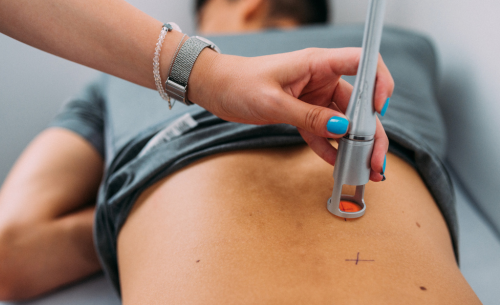
Class 4 Laser Needle Therapy (Short Article)Class 4 Laser Needle Therapy ek advanced treatment techn...
Read More
Common Neurological DisordersNeurodegenerative Diseases: Alzheimer’s disease, Parkinson's disea...
Read More