-
Magnum Physiotherapy | Contact No : +91 9998238617
Magnum Physiotherapy | Contact No : +91 9998238617
Raynaud’s Disease, also known as Raynaud’s Phenomenon, is a condition characterized by episodic narrowing (vasospasm) of small blood vessels, most commonly affecting the fingers and toes. During an episode, blood flow to the affected areas decreases significantly, causing characteristic color changes and sensory symptoms.
Typically, the affected fingers or toes may turn:
These episodes are often triggered by exposure to cold temperatures, emotional stress, or sudden temperature changes. Symptoms usually last from a few minutes to several hours.
Raynaud’s can occur as:
Occurs without an associated medical condition and is generally less severe.
Occurs due to an underlying disease such as autoimmune or connective tissue disorders and may be more severe.
Although Raynaud’s commonly affects the fingers and toes, it can occasionally involve the ears, nose, lips, or nipples.
Most individuals with primary Raynaud’s lead normal lives with appropriate management. However, severe cases of secondary Raynaud’s may lead to skin ulcers or tissue damage due to prolonged reduction in blood flow.
At Magnum Physiotherapy, our goal is to improve circulation, maintain joint mobility, optimize hand function, and educate patients on symptom management and prevention strategies.
Diagnosis is based on medical history, clinical examination, and specialized investigations when necessary.
Investigations may include:
At Magnum Physiotherapy, we assess the impact of Raynaud’s on hand function, mobility, and daily activities.
While there is no cure for Raynaud’s Disease, physiotherapy can help manage symptoms and maintain function.
Seek medical evaluation if you experience:
Early diagnosis is particularly important in secondary Raynaud’s.
At Magnum Physiotherapy, we provide personalized rehabilitation programs for vascular and musculoskeletal conditions. Our evidence-based approach focuses on maintaining mobility, improving function, and empowering patients with effective self-management strategies. Through comprehensive care and patient education, we help individuals with Raynaud’s Disease maintain an active and comfortable lifestyle
Focused Shockwave Therapy (Short Article)Focused Shockwave Therapy ek advanced non-surgical treatmen...
Read More
Cord Microcurrent Laser Therapy (Short Article)Cord Microcurrent Laser Therapy ek modern treatment t...
Read More
Electrotherapy kya hoti hai? (Short Article)Electrotherapy ek physiotherapy treatment hai jisme halk...
Read More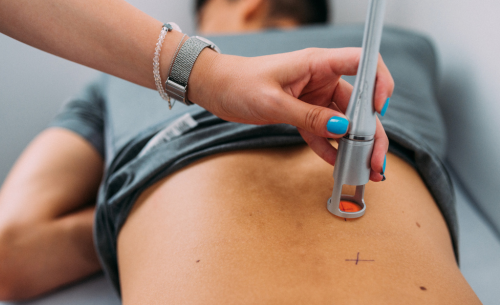
Class 4 Laser Needle Therapy (Short Article)Class 4 Laser Needle Therapy ek advanced treatment techn...
Read More
Common Neurological DisordersNeurodegenerative Diseases: Alzheimer’s disease, Parkinson's disea...
Read More