-
Magnum Physiotherapy | Contact No : +91 9998238617

Magnum Physiotherapy | Contact No : +91 9998238617
Diabetic Foot is a serious complication of diabetes that affects the feet due to a combination of nerve damage (neuropathy), poor blood circulation, and impaired wound healing. Over time, elevated blood sugar levels can damage nerves and blood vessels, reducing sensation and blood flow to the feet.
Because of reduced sensation, individuals may not notice cuts, blisters, pressure points, or injuries. Combined with poor circulation and delayed healing, these minor issues can develop into serious infections, ulcers, and, in severe cases, tissue loss.
Diabetic foot complications are among the leading causes of hospitalization and lower-limb amputation worldwide. However, with early intervention, proper foot care, and ongoing monitoring, many complications can be prevented.
At Magnum Physiotherapy, our multidisciplinary approach focuses on improving mobility, enhancing circulation, reducing pressure on vulnerable areas, and educating patients on effective foot care strategies.
Nerves in the feet and lower legs may become damaged due to prolonged elevated blood glucose levels.
Diabetes may impair circulation to the feet.
Changes may include:
Long-standing diabetes may contribute to:
Some individuals may have significant nerve damage without noticeable symptoms.
The primary cause of diabetic foot complications.
Risk increases with:
Nerve damage reduces the ability to detect injuries and pressure points.
Reduced blood flow impairs healing and increases infection risk.
Examples include:
These conditions may increase pressure and ulcer risk.
Early identification is critical to prevent complications.
At Magnum Physiotherapy, assessment may include:
Used to evaluate protective sensation.
Assesses nerve function.
May include:
May identify:
Used when deeper tissue involvement or bone infection is suspected.
Treatment focuses on prevention, symptom management, mobility improvement, and complication reduction.
A critical component of diabetic foot care.
Topics include:
Reducing pressure helps prevent ulcers and skin breakdown.
May include:
Exercise can improve:
Programs are tailored to individual needs and medical status.
Neuropathy often affects balance.
Training focuses on:
Improves:
May be used to improve:
Depending on individual needs:
Optimal diabetes management is essential.
Prompt treatment of ulcers is critical to prevent infection.
May require:
In severe cases, surgery may be required to address:
Outcomes depend on:
With proper management, many diabetic foot complications can be prevented or effectively controlled.
Consult a healthcare professional immediately if you notice:
Early treatment can significantly reduce the risk of serious complications
At Magnum Physiotherapy, we provide comprehensive diabetic foot rehabilitation and prevention programs. Our individualized treatment plans combine evidence-based physiotherapy, balance training, gait analysis, mobility improvement, pressure management strategies, and patient education to help reduce complications and maintain long-term foot health.

Focused Shockwave Therapy (Short Article)Focused Shockwave Therapy ek advanced non-surgical treatmen...
Read More
Cord Microcurrent Laser Therapy (Short Article)Cord Microcurrent Laser Therapy ek modern treatment t...
Read More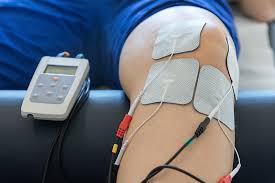
Electrotherapy kya hoti hai? (Short Article)Electrotherapy ek physiotherapy treatment hai jisme halk...
Read More
Class 4 Laser Needle Therapy (Short Article)Class 4 Laser Needle Therapy ek advanced treatment techn...
Read More
Common Neurological DisordersNeurodegenerative Diseases: Alzheimer’s disease, Parkinson's disea...
Read More