Logo

Rotator Cuff Injury


The rotator cuff is a group of four muscles and their tendons that surround the shoulder joint and provide stability and movement. These muscles keep the head of the humerus (upper arm bone) centered within the shoulder socket during arm movements.

The four rotator cuff muscles are:

  • Supraspinatus
  • Infraspinatus
  • Teres Minor
  • Subscapularis

A rotator cuff injury occurs when one or more of these tendons become irritated, inflamed, degenerated, or torn. Injuries may develop suddenly due to trauma or gradually due to repetitive overhead activities and age-related degeneration.

Rotator cuff injuries are among the most common causes of shoulder pain, particularly in:

  • Athletes
  • Manual laborers
  • Individuals over 40 years of age
  • People performing repetitive overhead work

If left untreated, rotator cuff injuries may lead to chronic pain, weakness, stiffness, and reduced shoulder function.

At Magnum Physiotherapy, our evidence-based rehabilitation programs focus on pain relief, restoring mobility, strengthening the shoulder, and preventing recurrence.

Anatomy Involved

Rotator Cuff Muscles

Supraspinatus

  • Initiates shoulder abduction
  • Most commonly injured tendon

Infraspinatus

  • Responsible for external rotation

Teres Minor

  • Assists external rotation and stabilization

Subscapularis

  • Responsible for internal rotation

Other Structures Commonly Involved

  • Subacromial bursa
  • Glenohumeral joint
  • Acromion
  • Long head of biceps tendon
  • Scapular stabilizing muscles

Types of Rotator Cuff Injury

Rotator Cuff Tendinopathy

Degeneration or irritation of the tendon without tearing.

Rotator Cuff Tendinitis

Acute inflammation of the tendon.

Partial Thickness Tear

Only part of the tendon is torn.

Full Thickness Tear

The tendon is completely torn.

Massive Rotator Cuff Tear

Multiple tendons are involved, leading to significant dysfunction.

Common Symptoms

  • Shoulder pain, especially on the outer side
  • Pain during overhead activities
  • Night pain, especially when lying on the affected side
  • Weakness in the shoulder
  • Difficulty lifting objects
  • Reduced range of motion
  • Clicking or catching sensations
  • Pain during dressing or grooming
  • Difficulty reaching behind the back
  • Loss of shoulder function

Causes & Risk Factors

Traumatic Causes

  • Falls onto an outstretched hand
  • Sudden lifting injuries
  • Shoulder dislocation
  • Sports injuries

Degenerative Causes

  • Age-related wear and tear
  • Reduced blood supply to tendons
  • Repetitive microtrauma

Occupational & Sports Factors

  • Repetitive overhead work
  • Throwing sports
  • Swimming
  • Tennis
  • Weightlifting

Risk Factors

  • Age above 40 years
  • Poor posture
  • Muscle imbalance
  • Smoking
  • Diabetes mellitus

Conditions Associated with Rotator Cuff Injury

  • Shoulder Impingement Syndrome
  • Subacromial Bursitis
  • Adhesive Capsulitis (Frozen Shoulder)
  • Biceps Tendinopathy
  • Glenohumeral Osteoarthritis
  • Acromioclavicular Joint Dysfunction

Diagnosis

At Magnum Physiotherapy, we perform a comprehensive shoulder assessment to identify the injured structures and functional limitations.

The evaluation may include:

  • Detailed medical history
  • Pain assessment
  • Range of motion testing
  • Muscle strength assessment
  • Postural evaluation
  • Scapular movement analysis
  • Functional assessment

Special Clinical Tests

  • Empty Can Test
  • Drop Arm Test
  • Hawkins-Kennedy Test
  • Neer Impingement Test
  • External Rotation Lag Sign

Imaging Studies

  • Ultrasound
  • MRI scans
  • X-rays

MRI is particularly useful for identifying tendon tears.

Treatment at Magnum Physiotherapy

Our treatment programs focus on reducing pain, restoring movement, and rebuilding strength.

Advanced Physiotherapy Treatments

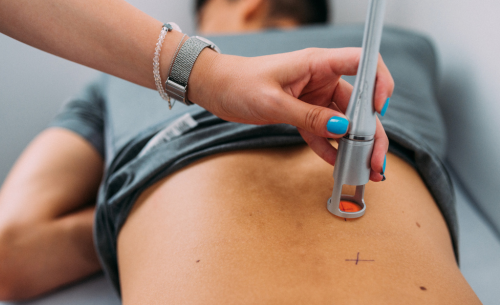
  • Class IV Laser Therapy
  • Therapeutic Ultrasound
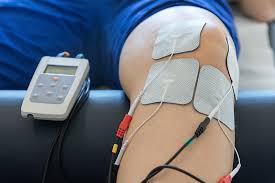
  • Interferential Therapy (IFT)
  • TENS Therapy
  • Dry Needling
  • Kinesio Taping®
  • Frequency Specific Microcurrent (FSM)

Manual Therapy

  • Joint Mobilization
  • Soft Tissue Mobilization
  • Myofascial Release
  • Trigger Point Therapy

Rehabilitation Programs

Early Phase

  • Pain management
  • Gentle mobility exercises
  • Pendulum exercises

Strengthening Phase

  • Rotator cuff strengthening
  • Scapular stabilization exercises
  • Resistance band training
  • Progressive strengthening

Functional Rehabilitation

  • Postural correction
  • Neuromuscular re-education
  • Functional movement training
  • Return-to-sport programs
  • Ergonomic training

Home Exercise Programs

Individualized exercise plans to maintain recovery and prevent recurrence.

Benefits of Physiotherapy for Rotator Cuff Injury

  • Reduces pain and inflammation
  • Restores shoulder mobility
  • Improves muscle strength
  • Enhances shoulder stability
  • Improves posture
  • Restores normal movement patterns
  • Prevents recurrence
  • Supports return to sports and work
  • Reduces need for surgery in many cases
  • Improves quality of life

When Is Surgery Needed?

Surgery may be considered when:

  • Complete tendon tears are present
  • Conservative treatment fails
  • Significant weakness persists
  • Functional limitations are severe

Post-surgical physiotherapy is essential for optimal recovery and return to activity.

Recovery & Prognosis

Recovery depends on:

  • Severity of the injury
  • Type of tendon damage
  • Age and activity level
  • Adherence to rehabilitation

Mild injuries may improve within weeks, while severe tears or post-surgical recovery may take several months.

Prevention Tips

  • Maintain good posture
  • Strengthen shoulder and scapular muscles
  • Warm up before sports
  • Avoid repetitive overhead strain
  • Use proper lifting techniques
  • Address shoulder pain early

Why Choose Magnum Physiotherapy?

At Magnum Physiotherapy, we specialize in advanced shoulder rehabilitation using evidence-based physiotherapy and modern technologies. Our personalized treatment programs combine manual therapy, Laser Therapy, FSM, and targeted exercises to relieve pain, restore movement, and help patients return to their daily activities and sports with confidence.
Our Blog

Chat with us Call us