Logo

Hand Fractures


The hand is a highly complex structure consisting of multiple bones, joints, muscles, tendons, ligaments, and nerves that work together to perform precise movements and everyday tasks.

A Hand Fracture occurs when one or more bones in the hand break due to trauma or excessive force. These injuries can range from simple, stable fractures to complex injuries involving joint surfaces, tendon damage, or multiple bone fragments.

Because the hand plays a critical role in gripping, lifting, writing, typing, and fine motor activities, proper treatment and rehabilitation are essential to prevent stiffness, weakness, loss of dexterity, and long-term functional limitations.

At Magnum Physiotherapy, our evidence-based rehabilitation programs focus on restoring range of motion, strength, coordination, and functional hand use to help patients return to work, sports, and daily activities.

Anatomy Involved

Bones of the Hand

Metacarpals

Five long bones that form the palm of the hand.

Numbered from:

  • First metacarpal (thumb)
  • Fifth metacarpal (little finger)

Phalanges

Bones of the fingers and thumb.

Thumb

  • Proximal phalanx
  • Distal phalanx

Fingers

Each finger contains:

  • Proximal phalanx
  • Middle phalanx
  • Distal phalanx

Supporting Structures

Joints

Allow movement and dexterity.

Ligaments

Provide stability.

Tendons

Allow finger and thumb motion.

Muscles

Control grip strength and fine motor skills.

Nerves & Blood Vessels

Provide sensation and circulation.

Common Types of Hand Fractures

Metacarpal Fractures

Among the most common hand fractures.

Boxer’s Fracture

Fracture of the fifth metacarpal neck.

Often caused by:

  • Punching an object
  • Direct impact injuries

Phalangeal Fractures

Involve one or more finger bones.

Can affect:

  • Proximal phalanx
  • Middle phalanx
  • Distal phalanx

Thumb Fractures

May involve:

Bennett Fracture

A fracture at the base of the thumb metacarpal.

Rolando Fracture

A more complex thumb fracture involving multiple fragments.

Open (Compound) Fractures

The broken bone penetrates the skin.

Requires urgent medical treatment due to infection risk.

Common Symptoms

  • Hand pain
  • Swelling
  • Bruising
  • Tenderness
  • Visible deformity
  • Difficulty moving fingers
  • Reduced grip strength
  • Finger stiffness
  • Difficulty performing daily tasks
  • Numbness or tingling (if nerves are involved)

Symptoms vary based on fracture type and severity.

Causes & Risk Factors

Traumatic Causes

  • Falls
  • Sports injuries
  • Direct blows
  • Workplace accidents
  • Crush injuries
  • Motor vehicle accidents

Risk Factors

  • Contact sports participation
  • Occupational hazards
  • Osteoporosis
  • Previous fractures
  • High-risk recreational activities

Conditions Associated with Hand Fractures

  • Tendon Injuries
  • Ligament Injuries
  • Joint Dislocations
  • Nerve Injuries
  • Wrist Fractures
  • Complex Regional Pain Syndrome (CRPS)
  • Post-Traumatic Arthritis

Diagnosis

Prompt medical assessment is important after a hand injury.

Clinical Examination

Assessment includes:

  • Pain location
  • Swelling
  • Alignment
  • Finger motion
  • Grip strength
  • Neurovascular status

Imaging Studies

X-rays

Primary diagnostic tool for most hand fractures.

CT Scan

May be required for:

  • Complex fractures
  • Joint involvement
  • Surgical planning

MRI

Useful for associated soft tissue injuries.

At Magnum Physiotherapy, we assess:

  • Hand mobility
  • Finger motion
  • Strength
  • Dexterity
  • Functional limitations

Medical Management

Treatment depends on fracture type and stability.

Non-Surgical Treatment

Suitable for many stable fractures.

May include:

  • Splinting
  • Casting
  • Buddy taping
  • Activity modification

Surgical Treatment

May be necessary for:

  • Displaced fractures
  • Joint involvement
  • Open fractures
  • Unstable fractures

Surgical Options

  • Open Reduction Internal Fixation (ORIF)
  • Pins
  • Plates
  • Screws

Treatment at Magnum Physiotherapy

Physiotherapy begins when medically appropriate and focuses on restoring full hand function.

Phase 1: Pain & Swelling Management

Goals

  • Reduce pain
  • Control swelling
  • Protect healing tissues

Treatments

  • Gentle movement exercises
  • Edema management
  • Patient education

Phase 2: Restore Mobility

Focus Areas

  • Finger flexion and extension
  • Thumb mobility
  • Joint mobility
  • Tendon gliding exercises

Preventing stiffness is a key priority.

Phase 3: Strengthening

Strengthening Exercises

Target:

  • Grip strength
  • Pinch strength
  • Finger muscles
  • Hand endurance

Progressive resistance is introduced as healing allows.

Phase 4: Dexterity & Functional Training

Activities Include

  • Fine motor skill exercises
  • Object manipulation
  • Writing tasks
  • Functional hand-use training
  • Work-specific activities

Phase 5: Return to Sport & Work

For athletes and workers:

  • Activity-specific rehabilitation
  • Functional testing
  • Safe return-to-activity progression

Advanced Physiotherapy Treatments

Depending on patient needs:

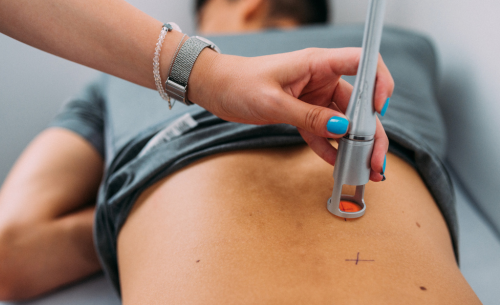
  • Class IV Laser Therapy
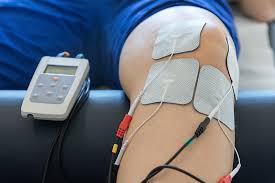
  • TENS Therapy
  • Interferential Therapy (IFT)
  • Therapeutic Ultrasound
  • Soft Tissue Mobilization
  • Scar Tissue Management
  • Joint Mobilization

Benefits of Physiotherapy After Hand Fractures

  • Restores finger mobility
  • Improves hand strength
  • Enhances grip function
  • Improves dexterity
  • Reduces stiffness
  • Promotes safe healing
  • Supports return to work
  • Supports return to sports
  • Reduces reinjury risk
  • Improves quality of life

Recovery & Prognosis

Recovery depends on:

  • Fracture location
  • Severity
  • Surgical versus non-surgical treatment
  • Rehabilitation participation

Typical Recovery Timeline

Bone Healing

  • Approximately 4–8 weeks

Functional Recovery

  • Several weeks to months

More complex injuries may require extended rehabilitation.

Potential Complications

  • Joint stiffness
  • Reduced grip strength
  • Malunion
  • Nonunion
  • Tendon adhesions
  • Chronic pain
  • Post-traumatic arthritis
  • Complex Regional Pain Syndrome (CRPS)

Early rehabilitation helps minimize these risks

Prevention Tips

  • Wear protective equipment during sports
  • Use proper workplace safety practices
  • Maintain bone health
  • Prevent falls
  • Address osteoporosis when present

When Should You Seek Immediate Medical Attention?

Seek urgent medical care if you experience:

  • Severe hand pain after injury
  • Visible deformity
  • Open wounds near the fracture
  • Significant swelling
  • Numbness or loss of sensation
  • Difficulty moving the fingers

Prompt diagnosis and treatment can improve outcomes and reduce complications.

Why Choose Magnum Physiotherapy?

At Magnum Physiotherapy, we specialize in orthopedic and post-fracture rehabilitation. Our personalized Hand Fracture rehabilitation programs combine evidence-based physiotherapy, mobility restoration, strengthening exercises, dexterity training, and functional retraining to help patients regain full hand function and return confidently to their daily activities.
Our Blog

Chat with us Call us