-
Magnum Physiotherapy | Contact No : +91 9998238617
Magnum Physiotherapy | Contact No : +91 9998238617
Autism Spectrum Disorder (ASD) is a lifelong neurodevelopmental condition that affects how a person perceives, processes, and interacts with the world around them. Autism influences social communication, behavior patterns, interests, and sensory experiences.
The term “spectrum” reflects the wide variation in symptoms, abilities, and support needs among individuals with autism. Some individuals may require substantial support in daily activities, while others live independently.
Autism usually becomes apparent in early childhood, often before the age of 2–3 years, although some individuals may be diagnosed later in life.
Individuals with ASD may experience challenges in:
Many autistic individuals also have strengths such as:
Autism is not a disease and does not have a cure. Early intervention and supportive therapies can help individuals develop skills, improve participation, and enhance quality of life.
At Magnum Physiotherapy, we provide individualized rehabilitation programs focused on maximizing each child's functional abilities and participation in daily life.
Symptoms vary significantly from person to person.
The exact cause of Autism Spectrum Disorder remains unknown, but research suggests multiple contributing factors.
Vaccines do not cause autism. Extensive scientific research has found no link between vaccination and ASD.
Individuals with ASD may also have:
Diagnosis is based on developmental history and behavioral assessment.
Evaluation may involve:
There is currently no blood test or imaging study that diagnoses autism.
At Magnum Physiotherapy, we assess:
Physiotherapy helps improve movement, coordination, and participation in daily activities.
Early intervention during the first few years of life can significantly improve functional outcomes.
A multidisciplinary approach may include:
Autism is a lifelong condition, but outcomes vary widely. Many individuals with ASD lead fulfilling and independent lives with appropriate support, education, and therapy.
The focus of rehabilitation is not to “cure” autism but to help individuals develop skills, maximize independence, and participate fully in their communities.
At Magnum Physiotherapy, we provide compassionate and evidence-based pediatric rehabilitation tailored to the unique strengths and needs of each child. Our individualized programs focus on improving motor skills, functional independence, and participation in everyday activities while working closely with families to support long-term development.
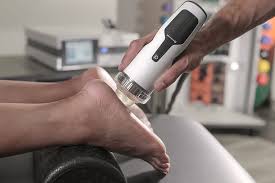
Focused Shockwave Therapy (Short Article)Focused Shockwave Therapy ek advanced non-surgical treatmen...
Read More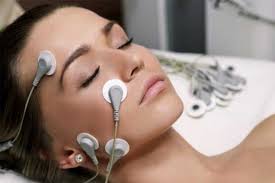
Cord Microcurrent Laser Therapy (Short Article)Cord Microcurrent Laser Therapy ek modern treatment t...
Read More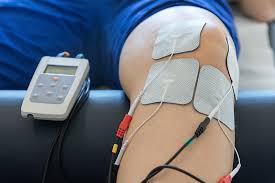
Electrotherapy kya hoti hai? (Short Article)Electrotherapy ek physiotherapy treatment hai jisme halk...
Read More
Class 4 Laser Needle Therapy (Short Article)Class 4 Laser Needle Therapy ek advanced treatment techn...
Read More
Common Neurological DisordersNeurodegenerative Diseases: Alzheimer’s disease, Parkinson's disea...
Read More