-
Magnum Physiotherapy | Contact No : +91 9998238617
Magnum Physiotherapy | Contact No : +91 9998238617
Reactive Arthritis is an autoimmune inflammatory disorder in which the body's immune system reacts abnormally following an infection elsewhere in the body. The infection typically occurs in the:
Although the triggering infection may have resolved, the immune system continues to cause inflammation in joints and other tissues.
Historically, the condition was known as Reiter’s Syndrome, characterized by the classic triad of:
However, the term Reactive Arthritis is now preferred in medical practice.
Reactive Arthritis belongs to a group of conditions called seronegative spondyloarthropathies, which are inflammatory disorders affecting joints and sites where tendons attach to bones (entheses).
The condition most commonly affects young adults between 20 and 40 years of age and is more common in men.
Symptoms often begin 1–4 weeks after an infection and may last for several months. While many individuals recover completely, some may develop chronic or recurrent symptoms.
At Magnum Physiotherapy, our rehabilitation programs focus on controlling pain, preserving joint mobility, strengthening muscles, and improving overall function.
Reactive Arthritis usually develops after bacterial infections.
Individuals with HLA-B27 are at increased risk of developing more severe disease.
Joints commonly affected include:
Inflammation where tendons attach to bone:
There is no single test for Reactive Arthritis. Diagnosis is based on clinical findings and medical history.
Investigations may include:
At Magnum Physiotherapy, we assess:
Treatment focuses on reducing inflammation, maintaining mobility, and preventing long-term disability.
Medical treatment may include:
Depending on symptoms, treatment may include:
Many individuals recover within 6–12 months, although some develop chronic or recurrent symptoms.
Factors affecting prognosis include:
Regular follow-up and early intervention improve long-term outcomes.
Seek prompt medical evaluation if you experience:
Early diagnosis can help prevent complications.
At Magnum Physiotherapy, we specialize in rheumatological and musculoskeletal rehabilitation using evidence-based physiotherapy and advanced treatment approaches. Our individualized programs focus on pain relief, mobility restoration, strengthening, and functional recovery to help patients manage Reactive Arthritis and maintain an active lifestyle.
Focused Shockwave Therapy (Short Article)Focused Shockwave Therapy ek advanced non-surgical treatmen...
Read More
Cord Microcurrent Laser Therapy (Short Article)Cord Microcurrent Laser Therapy ek modern treatment t...
Read More
Electrotherapy kya hoti hai? (Short Article)Electrotherapy ek physiotherapy treatment hai jisme halk...
Read More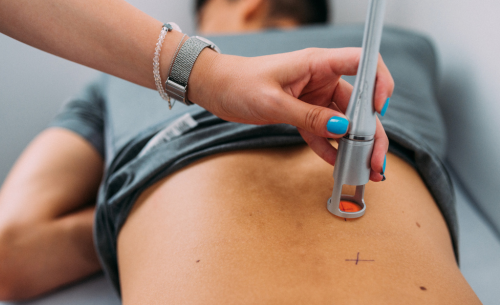
Class 4 Laser Needle Therapy (Short Article)Class 4 Laser Needle Therapy ek advanced treatment techn...
Read More
Common Neurological DisordersNeurodegenerative Diseases: Alzheimer’s disease, Parkinson's disea...
Read More