-
Magnum Physiotherapy | Contact No : +91 9998238617
Magnum Physiotherapy | Contact No : +91 9998238617
Sciatica refers to a group of symptoms caused by irritation, inflammation, or compression of the sciatic nerve, the largest nerve in the human body. The sciatic nerve originates from the lower spinal nerve roots (L4-S3) and travels through the buttocks, down the back of the thigh, and into the leg and foot.
When the sciatic nerve becomes compressed or irritated, patients may experience radiating pain that travels from the lower back into the buttock and leg. The severity of symptoms can range from mild discomfort to severe, debilitating pain that interferes with walking, sitting, sleeping, and daily activities.
Sciatica is not a diagnosis itself but rather a symptom of an underlying condition affecting the spine or nerve roots. The most common cause is a lumbar disc herniation (slipped disc), although spinal stenosis, lumbar spondylosis, piriformis syndrome, or degenerative changes can also compress the sciatic nerve.
At Magnum Physiotherapy, we focus on identifying the root cause of sciatica and developing personalized treatment plans to relieve nerve pressure, reduce inflammation, improve mobility, and restore optimal function.
Early intervention is crucial to prevent chronic pain, muscle weakness, and long-term nerve dysfunction.
Symptoms lasting less than 6 weeks.
Symptoms persisting for more than 12 weeks.
Pain caused by direct compression of the sciatic nerve roots.
Pain mimicking sciatica due to muscle or joint dysfunction, such as piriformis syndrome.
At Magnum Physiotherapy, we perform a comprehensive evaluation to determine the exact cause of sciatic pain.
The assessment may include:
A precise diagnosis helps create an effective and personalized rehabilitation plan.
Our treatment approach focuses on relieving nerve compression, reducing pain, restoring mobility, and preventing recurrence.
Seek urgent medical care if you experience:
These symptoms may indicate Cauda Equina Syndrome, a medical emergency requiring immediate treatment.
At Magnum Physiotherapy, we specialize in advanced spine and nerve rehabilitation using evidence-based physiotherapy techniques and cutting-edge technologies. Our integrated approach combines Cox® Flexion Distraction Therapy, Class IV Laser Therapy, FSM, PNE, DNS, and personalized rehabilitation programs to deliver long-lasting relief and functional recovery. We focus on treating the root cause of sciatica, helping patients return to pain-free movement and an active lifestyle.
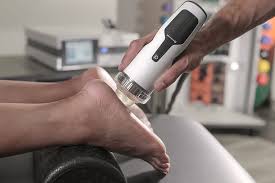
Focused Shockwave Therapy (Short Article)Focused Shockwave Therapy ek advanced non-surgical treatmen...
Read More
Cord Microcurrent Laser Therapy (Short Article)Cord Microcurrent Laser Therapy ek modern treatment t...
Read More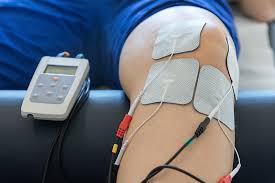
Electrotherapy kya hoti hai? (Short Article)Electrotherapy ek physiotherapy treatment hai jisme halk...
Read More
Class 4 Laser Needle Therapy (Short Article)Class 4 Laser Needle Therapy ek advanced treatment techn...
Read More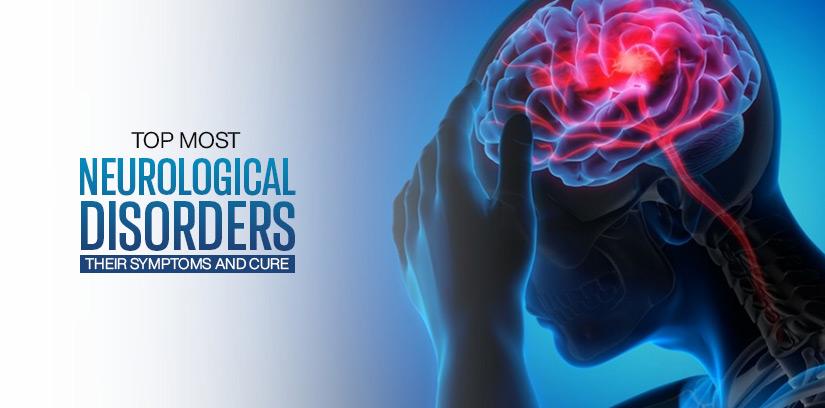
Common Neurological DisordersNeurodegenerative Diseases: Alzheimer’s disease, Parkinson's disea...
Read More