Logo

Plantar Fasciitis


Plantar Fasciitis is a musculoskeletal condition affecting the plantar fascia, a strong fibrous structure that runs from the heel bone (calcaneus) to the toes.

The plantar fascia plays a crucial role in:

  • Supporting the foot arch
  • Absorbing shock during walking and running
  • Stabilizing the foot during weight-bearing activities
  • Assisting efficient movement during gait

Excessive stress on the plantar fascia can cause microscopic tears, tissue degeneration, and pain, particularly at its attachment to the heel.

Although the term fasciitis suggests inflammation, many chronic cases involve degenerative changes rather than active inflammation. Therefore, some healthcare professionals use the term Plantar Fasciopathy.

Plantar Fasciitis is commonly seen in:

  • Runners and athletes
  • Individuals who stand for prolonged periods
  • People with flat feet or high arches
  • Adults between 40 and 60 years of age

Without appropriate treatment, symptoms may become chronic and interfere with daily activities and exercise.

At Magnum Physiotherapy, our evidence-based treatment approach focuses on reducing tissue stress, correcting biomechanical abnormalities, and promoting long-term recovery.

Anatomy Involved

Plantar Fascia

The plantar fascia consists of:

  • Medial band
  • Central band (most commonly affected)
  • Lateral band

It originates from the medial tubercle of the calcaneus and extends toward the toes.

Associated Structures

  • Heel fat pad
  • Achilles tendon
  • Calf muscles
  • Intrinsic foot muscles
  • Medial longitudinal arch

Tightness in the Achilles tendon or calf muscles can increase tension on the plantar fascia.

Common Symptoms

  • Sharp pain beneath the heel
  • Pain with the first steps in the morning
  • Pain after prolonged sitting or rest
  • Heel tenderness to touch
  • Pain that worsens after prolonged standing
  • Stiffness in the foot and ankle
  • Difficulty walking barefoot
  • Reduced tolerance for walking or running
  • Tight calf muscles
  • Pain after exercise rather than during activity

Symptoms often improve slightly with movement but may worsen later in the day.

Causes & Risk Factors

Biomechanical Factors

  • Flat feet (Pes Planus)
  • High arches (Pes Cavus)
  • Overpronation
  • Limited ankle dorsiflexion
  • Tight calf muscles

Activity-Related Factors

  • Running
  • Jumping sports
  • Sudden increases in training intensity
  • Prolonged standing or walking

Occupational Factors

  • Healthcare professionals
  • Teachers
  • Factory workers
  • Retail workers

Other Risk Factors

  • Obesity
  • Aging
  • Inadequate footwear
  • Reduced foot muscle strength

Conditions Associated with Plantar Fasciitis

  • Heel Spurs
  • Achilles Tendinopathy
  • Posterior Tibial Tendon Dysfunction (PTTD)
  • Tarsal Tunnel Syndrome
  • Flat Feet (Pes Planus)
  • Obesity
  • Tight Gastrocnemius-Soleus Complex

Diagnosis

At Magnum Physiotherapy, we conduct a comprehensive foot and ankle assessment to identify contributing factors and rule out other causes of heel pain.

Evaluation may include:

  • Detailed medical history
  • Pain assessment
  • Foot posture analysis
  • Gait assessment
  • Ankle range of motion testing
  • Calf flexibility evaluation
  • Functional movement assessment

Special Clinical Tests

  • Windlass Test
  • Plantar Fascia Palpation Test

Imaging Studies

When necessary:

  • Ultrasound
  • X-rays
  • MRI scans

Imaging may help identify plantar fascia thickening or rule out stress fractures and other conditions.

Differential Diagnosis

Conditions that may mimic Plantar Fasciitis include:

  • Tarsal Tunnel Syndrome
  • Calcaneal Stress Fracture
  • Baxter’s Nerve Entrapment
  • Fat Pad Syndrome
  • Achilles Tendinopathy
  • Peripheral Neuropathy

Accurate diagnosis is essential for effective treatment.

Treatment at Magnum Physiotherapy

Treatment focuses on reducing pain, improving flexibility, correcting biomechanics, and restoring function.

Conservative Management

  • Activity modification
  • Footwear modification
  • Weight management guidance
  • Orthotic support

Advanced Physiotherapy Treatments

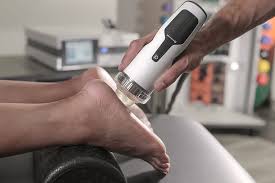
  • Focused Shockwave Therapy
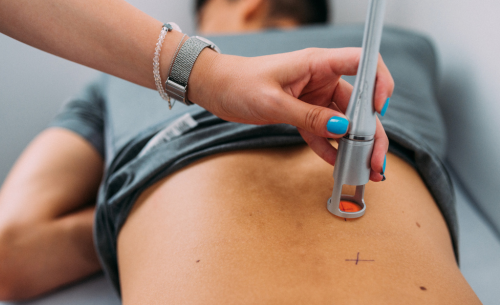
  • Class IV Laser Therapy
  • Therapeutic Ultrasound
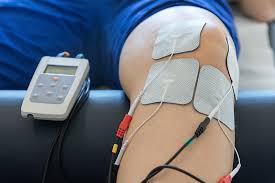
  • TENS Therapy
  • Interferential Therapy (IFT)
  • Kinesio Taping®
  • Soft Tissue Mobilization

Rehabilitation Programs

Stretching Exercises

  • Plantar fascia stretching
  • Gastrocnemius stretching
  • Soleus stretching

Strengthening Exercises

  • Intrinsic foot muscle strengthening
  • Arch stabilization exercises
  • Calf strengthening
  • Lower limb strengthening

Functional Rehabilitation

  • Gait retraining
  • Balance exercises
  • Progressive loading programs
  • Return-to-running rehabilitation

Home Exercise Programs

Customized exercises to support recovery and long-term foot health.

Orthotic & Supportive Management

Supportive devices may include:

  • Custom orthotics
  • Heel cups
  • Arch supports
  • Night splints
  • Cushioned footwear

These interventions help reduce strain on the plantar fascia and improve comfort during walking.

Benefits of Physiotherapy for Plantar Fasciitis

  • Reduces heel pain
  • Improves flexibility and mobility
  • Strengthens foot and ankle muscles
  • Corrects abnormal biomechanics
  • Enhances walking ability
  • Supports return to exercise
  • Prevents recurrence
  • Reduces dependence on medication
  • Improves daily function
  • Enhances quality of life

When Is Surgery Needed?

Surgery is rarely necessary and is generally considered only when:

  • Symptoms persist beyond 6–12 months
  • Conservative treatment has failed
  • Significant functional limitations remain

Surgical procedures may include plantar fascia release.

Post-operative physiotherapy is essential for optimal recovery.

Recovery & Prognosis

Most individuals experience significant improvement with conservative treatment.

Recovery depends on:

  • Severity and duration of symptoms
  • Adherence to rehabilitation
  • Footwear modifications
  • Underlying biomechanical factors

Many patients recover within 6 weeks to several months, although chronic cases may take longer.

Prevention Tips

  • Wear supportive footwear
  • Stretch calf muscles regularly
  • Strengthen foot muscles
  • Increase activity levels gradually
  • Maintain a healthy body weight
  • Replace worn-out athletic shoes
  • Address heel pain early

Why Choose Magnum Physiotherapy?

At Magnum Physiotherapy, we specialize in advanced foot and ankle rehabilitation using evidence-based physiotherapy and modern technologies. Our personalized treatment programs combine Shockwave Therapy, Laser Therapy, gait retraining, and targeted exercises to relieve heel pain, restore mobility, and help patients return to active lifestyles.
Our Blog

Chat with us Call us