-
Magnum Physiotherapy | Contact No : +91 9998238617
Magnum Physiotherapy | Contact No : +91 9998238617
A Patella Dislocation occurs when the kneecap is forced out of its normal alignment within the femoral groove (trochlear groove). Most dislocations occur laterally, meaning the patella shifts toward the outer side of the knee.
The injury may occur due to:
In many cases, the patella spontaneously returns to its normal position, while other cases require medical reduction.
A dislocation may also injure surrounding structures, including:
Proper rehabilitation is essential to restore normal knee mechanics and reduce the risk of recurrent dislocations.
At Magnum Physiotherapy, our evidence-based treatment programs focus on pain relief, strength development, movement correction, and long-term knee stability.
A small sesamoid bone located within the quadriceps tendon.
A groove at the lower end of the femur where the patella glides during knee movement.
The primary soft tissue restraint that helps prevent the patella from moving outward.
Frequently injured during a dislocation.
Especially the:
Helps maintain proper patellar alignment.
The initial episode of patellar displacement.
Repeated episodes due to ongoing instability.
Caused by a specific injury or impact.
Occurs repeatedly during normal knee movement.
After spontaneous reduction, symptoms may include ongoing pain and instability.
Common in activities involving:
Examples include:
A blow to the knee may force the patella out of alignment.
Risk may increase with:
Weakness of the quadriceps and hip stabilizers can contribute to instability.
A thorough evaluation helps determine injury severity and identify contributing factors.
At Magnum Physiotherapy, assessment includes:
Used to:
May evaluate:
Sometimes used to evaluate bone alignment and instability risk.
Many first-time dislocations can be successfully managed with physiotherapy.
Focuses on:
Movement is progressed gradually and safely.
A critical component of recovery.
Particularly the Vastus Medialis Obliquus (VMO).
Improves lower limb alignment.
Enhances overall movement control.
Supports knee stability during activity.
Focuses on:
Includes:
Depending on individual needs:
May be used during early recovery or return to sports.
May be recommended when:
Common procedures include:
Post-surgical rehabilitation is essential for successful recovery.
Recovery depends on:
First-Time Dislocation
Recurrent Instability Cases
Post-Surgical Recovery
Most patients can return to normal activities with appropriate rehabilitation.
Consult a healthcare professional immediately if you experience:
Prompt treatment can reduce complications and improve long-term outcomes.
At Magnum Physiotherapy, we specialize in knee injury rehabilitation and sports medicine. Our personalized Patella Dislocation treatment programs combine evidence-based physiotherapy, strengthening exercises, movement retraining, balance training, and return-to-sport rehabilitation to help patients recover safely and prevent future dislocations.
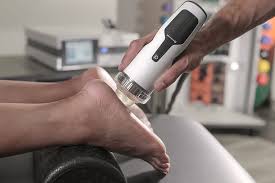
Focused Shockwave Therapy (Short Article)Focused Shockwave Therapy ek advanced non-surgical treatmen...
Read More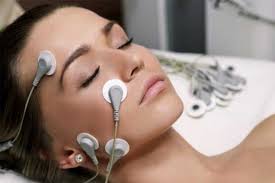
Cord Microcurrent Laser Therapy (Short Article)Cord Microcurrent Laser Therapy ek modern treatment t...
Read More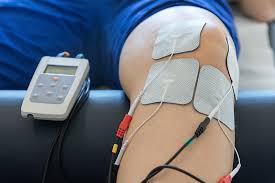
Electrotherapy kya hoti hai? (Short Article)Electrotherapy ek physiotherapy treatment hai jisme halk...
Read More
Class 4 Laser Needle Therapy (Short Article)Class 4 Laser Needle Therapy ek advanced treatment techn...
Read More
Common Neurological DisordersNeurodegenerative Diseases: Alzheimer’s disease, Parkinson's disea...
Read More