-
Magnum Physiotherapy | Contact No : +91 9998238617
Magnum Physiotherapy | Contact No : +91 9998238617
Clubfoot, or Congenital Talipes Equinovarus (CTEV), is one of the most common congenital musculoskeletal deformities, affecting approximately 1–2 children per 1,000 live births. In this condition, the foot is abnormally positioned due to tight muscles, tendons, ligaments, and altered bone alignment.
The affected foot typically appears:
Clubfoot may affect one foot (unilateral) or both feet (bilateral). The condition is present at birth and is not caused by anything the parents did during pregnancy.
Without treatment, clubfoot can lead to difficulty walking, abnormal gait patterns, pain, reduced mobility, and long-term disability. Fortunately, with early intervention and proper rehabilitation, most children can achieve excellent functional outcomes and lead active, healthy lives.
The gold standard treatment for clubfoot is the Ponseti Method, which involves gentle serial casting, followed by bracing and physiotherapy. Physiotherapy plays a critical role in maintaining correction, improving muscle strength, enhancing mobility, and preventing recurrence.
At Magnum Physiotherapy, we work closely with pediatric orthopedic specialists and families to provide comprehensive rehabilitation and support throughout a child's developmental journey.
The most common type, occurring without an associated medical condition.
Associated with genetic or neuromuscular disorders such as spina bifida or arthrogryposis.
A flexible foot deformity caused by positioning in the womb, usually less severe.
The exact cause of clubfoot is not fully understood, but several factors may contribute:
Clubfoot is more common in boys than girls and may run in families.
Clubfoot is often diagnosed:
Imaging studies such as X-rays may occasionally be used for further assessment.
Physiotherapy is essential both during and after orthopedic correction to optimize function and prevent recurrence.
Following casting and bracing, physiotherapy helps:
When treated early and appropriately, most children with clubfoot can:
Regular follow-up during childhood is important to monitor growth and detect any signs of recurrence.
At Magnum Physiotherapy, our pediatric rehabilitation team provides compassionate, evidence-based care tailored to each child's needs. We work closely with families and healthcare providers to ensure comprehensive treatment, optimize development, and support long-term mobility and function. Our goal is to help every child achieve their full physical potential and enjoy an active, healthy future.
Focused Shockwave Therapy (Short Article)Focused Shockwave Therapy ek advanced non-surgical treatmen...
Read More
Cord Microcurrent Laser Therapy (Short Article)Cord Microcurrent Laser Therapy ek modern treatment t...
Read More
Electrotherapy kya hoti hai? (Short Article)Electrotherapy ek physiotherapy treatment hai jisme halk...
Read More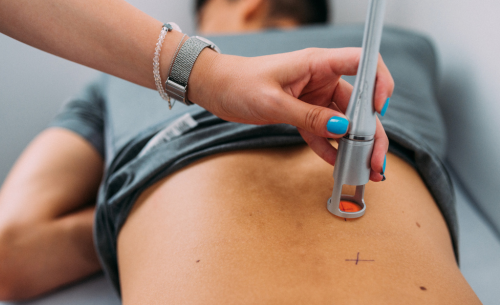
Class 4 Laser Needle Therapy (Short Article)Class 4 Laser Needle Therapy ek advanced treatment techn...
Read More
Common Neurological DisordersNeurodegenerative Diseases: Alzheimer’s disease, Parkinson's disea...
Read More