-
Magnum Physiotherapy | Contact No : +91 9998238617

Magnum Physiotherapy | Contact No : +91 9998238617
A Hip Labral Tear occurs when the acetabular labrum, a ring of cartilage surrounding the hip socket (acetabulum), becomes damaged or torn. The labrum acts as a seal around the hip joint, helping maintain joint stability, distribute forces, and support smooth movement of the femoral head within the socket.
Labral tears may develop gradually due to repetitive stress or result from a sudden traumatic injury. Many tears are associated with underlying hip structural abnormalities such as Femoroacetabular Impingement (FAI) or hip dysplasia.
Symptoms can range from mild discomfort to significant pain and functional limitations that affect walking, exercise, sports participation, and everyday activities.
At Magnum Physiotherapy, our evidence-based treatment programs focus on improving hip mechanics, reducing pain, enhancing stability, and restoring optimal function.
A ring of fibrocartilage attached to the rim of the hip socket.
A ball-and-socket joint consisting of:
The ball-shaped top of the femur.
The socket portion of the pelvis.
The labrum surrounds the acetabulum.
These structures contribute to hip stability and function.
Occurs at the front of the hip.
The most common type.
Occurs at the back of the hip.
Less common and often associated with trauma.
Develops gradually due to:
Occurs following:
Symptoms may worsen with activity and improve with rest.
A common cause of labral tears.
Abnormal contact between the femur and acetabulum places stress on the labrum.
A shallow hip socket can increase strain on the labrum.
Common in activities involving:
Examples include:
A comprehensive assessment is necessary because symptoms often resemble other hip conditions.
At Magnum Physiotherapy, evaluation includes:
Common orthopedic tests may include:
These tests may reproduce symptoms associated with a labral tear.
Considered the most accurate imaging test for identifying labral tears.
May identify associated joint abnormalities.
Used to assess:
Many patients improve significantly with conservative physiotherapy treatment.
Reducing aggravating activities helps decrease stress on the labrum.
Patients learn strategies to protect the hip joint and optimize movement patterns.
May include:
These techniques help improve mobility and reduce discomfort.
Focus on:
Exercises are progressed carefully to avoid aggravating symptoms.
A key component of rehabilitation.
Targets include:
Improve hip stability and movement control.
Enhance pelvic stability and reduce joint stress.
Support proper hip mechanics during activity.
Focuses on:
Depending on individual needs:
If symptoms persist despite conservative treatment:
May help reduce inflammation and confirm the source of pain.
May be recommended when:
Surgical procedures may include:
Physiotherapy after surgery focuses on:
Recovery depends on:
Conservative Treatment
Post-Surgical Recovery
Return to Competitive Sports
Most patients experience significant improvement with appropriate treatment.
Consult a healthcare professional if you experience:
Early diagnosis and treatment can help prevent worsening symptoms and joint degeneration.
At Magnum Physiotherapy, we specialize in hip rehabilitation and sports injury management. Our individualized Hip Labral Tear treatment programs combine evidence-based physiotherapy, manual therapy, strengthening exercises, movement retraining, and post-surgical rehabilitation to help patients regain mobility, improve stability, and return to active living.
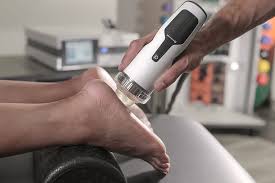
Focused Shockwave Therapy (Short Article)Focused Shockwave Therapy ek advanced non-surgical treatmen...
Read More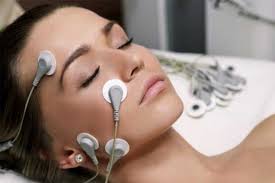
Cord Microcurrent Laser Therapy (Short Article)Cord Microcurrent Laser Therapy ek modern treatment t...
Read More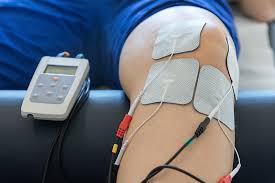
Electrotherapy kya hoti hai? (Short Article)Electrotherapy ek physiotherapy treatment hai jisme halk...
Read More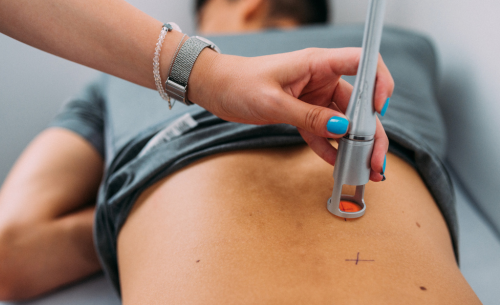
Class 4 Laser Needle Therapy (Short Article)Class 4 Laser Needle Therapy ek advanced treatment techn...
Read More
Common Neurological DisordersNeurodegenerative Diseases: Alzheimer’s disease, Parkinson's disea...
Read More