-
Magnum Physiotherapy | Contact No : +91 9998238617

Magnum Physiotherapy | Contact No : +91 9998238617
De Quervain's Tenosynovitis is an overuse injury involving inflammation and irritation of the tendons that control thumb movement as they pass through a narrow tunnel (first dorsal compartment) on the thumb side of the wrist.
The two tendons most commonly affected are:
When these tendons become inflamed or their surrounding sheath thickens, movement through the tendon tunnel becomes restricted, causing pain and discomfort.
The condition is common among:
Without proper treatment, symptoms may gradually worsen and interfere with daily activities.
At Magnum Physiotherapy, our evidence-based treatment programs focus on reducing inflammation, improving tendon mobility, restoring strength, and helping patients return to pain-free function.
A tunnel located on the thumb side of the wrist that contains:
Responsible for moving the thumb away from the hand.
Responsible for extending the thumb.
A protective covering that allows tendons to glide smoothly.
Inflammation or thickening of this sheath contributes to De Quervain's Tenosynovitis.
A bony prominence on the thumb side of the wrist where symptoms are commonly felt.
Symptoms often worsen with repetitive hand or thumb activities.
Common activities include:
An injury to the wrist may trigger inflammation around the tendons.
May contribute to increased risk during:
Diagnosis is usually based on history and physical examination.
Evaluation includes:
A common orthopedic test used to identify De Quervain's Tenosynovitis.
Pain on the thumb side of the wrist during the test is often considered a positive finding.
Imaging is not always required but may include:
To evaluate tendon inflammation.
For complex or persistent cases.
At Magnum Physiotherapy, we assess:
Most cases respond very well to conservative physiotherapy treatment.
Reducing aggravating activities helps decrease tendon irritation.
May be recommended during acute flare-ups.
Patients learn strategies to reduce tendon overload.
May include:
These techniques help improve tendon movement and reduce pain.
Target:
Improves flexibility and tendon mobility.
Focus on:
Progressive strengthening helps prevent recurrence.
Addresses:
Depending on patient needs:
If symptoms persist, additional medical treatments may include:
Thumb spica splints help reduce tendon irritation.
May reduce inflammation and provide symptom relief.
Considered when conservative treatment fails.
The procedure releases the tight tendon sheath to allow normal tendon movement.
Post-surgical physiotherapy helps restore mobility and strength.
Recovery depends on:
Mild Cases
Moderate Cases
Post-Surgical Recovery
Most patients achieve excellent outcomes with appropriate treatment.
Consult a healthcare professional if you experience:
Early treatment can prevent worsening symptoms and improve recovery outcomes.
At Magnum Physiotherapy, we specialize in hand, wrist, and upper extremity rehabilitation. Our individualized De Quervain's Tenosynovitis treatment programs combine evidence-based physiotherapy, manual therapy, strengthening exercises, ergonomic education, and functional retraining to help patients return to pain-free activity and prevent recurrence.
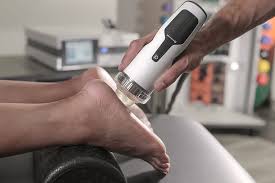
Focused Shockwave Therapy (Short Article)Focused Shockwave Therapy ek advanced non-surgical treatmen...
Read More
Cord Microcurrent Laser Therapy (Short Article)Cord Microcurrent Laser Therapy ek modern treatment t...
Read More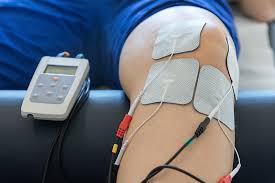
Electrotherapy kya hoti hai? (Short Article)Electrotherapy ek physiotherapy treatment hai jisme halk...
Read More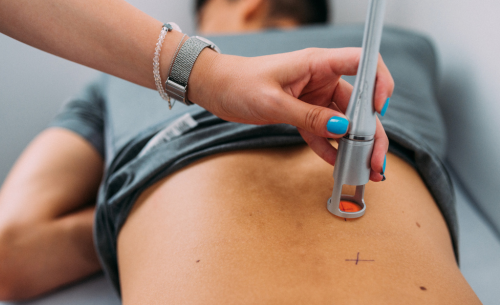
Class 4 Laser Needle Therapy (Short Article)Class 4 Laser Needle Therapy ek advanced treatment techn...
Read More
Common Neurological DisordersNeurodegenerative Diseases: Alzheimer’s disease, Parkinson's disea...
Read More