Logo

Degenerative Disc Disease (DDD)


Degenerative Disc Disease (DDD) refers to the gradual deterioration of the intervertebral discs that act as cushions between the vertebrae of the spine. Healthy discs absorb shock and allow flexibility during movement. Over time, these discs may lose water content, become thinner, and develop small tears, reducing their ability to function effectively.

Disc degeneration can lead to:

  • Back or neck pain
  • Reduced flexibility
  • Muscle stiffness
  • Nerve irritation
  • Decreased spinal stability

DDD most commonly affects:

  • Lumbar Spine (Lower Back)
  • Cervical Spine (Neck)

While many people have disc degeneration visible on imaging without symptoms, others may experience significant discomfort and functional limitations.

At Magnum Physiotherapy, our evidence-based rehabilitation programs focus on improving spinal stability, restoring mobility, reducing pain, and preventing further degeneration-related complications.

Anatomy Involved

Intervertebral Disc

Each spinal disc consists of:

Nucleus Pulposus

  • Soft, gel-like center
  • Provides shock absorption

Annulus Fibrosus

  • Tough outer ring
  • Provides structural support

Vertebral Endplates

  • Connect discs to adjacent vertebrae

As degeneration progresses, discs may:

  • Lose hydration
  • Decrease in height
  • Develop fissures or tears
  • Become less effective shock absorbers

Common Symptoms

Lumbar Degenerative Disc Disease

  • Lower back pain
  • Stiffness
  • Pain with bending or lifting
  • Pain when sitting for prolonged periods
  • Muscle spasms
  • Reduced mobility

Cervical Degenerative Disc Disease

  • Neck pain
  • Neck stiffness
  • Headaches
  • Shoulder pain
  • Reduced neck mobility

Associated Nerve Symptoms

When degeneration contributes to nerve compression:

  • Numbness
  • Tingling
  • Radiating arm or leg pain
  • Weakness

Symptoms may fluctuate and often worsen with prolonged sitting, repetitive movements, or heavy lifting.

Causes & Risk Factors

Age-Related Changes

The primary cause of DDD is natural aging.

Over time:

  • Disc hydration decreases
  • Elasticity is reduced
  • Structural integrity declines

Risk Factors

  • Aging
  • Repetitive spinal loading
  • Physically demanding occupations
  • Previous spinal injuries
  • Smoking
  • Obesity
  • Poor posture
  • Sedentary lifestyle
  • Genetic predisposition

Conditions Associated with Degenerative Disc Disease

  • Herniated Disc
  • Spinal Stenosis
  • Facet Joint Arthritis
  • Spondylosis
  • Spondylolisthesis
  • Radiculopathy
  • Chronic Back Pain
  • Cervicalgia

Diagnosis

At Magnum Physiotherapy, we perform a comprehensive assessment to determine the extent of functional limitations and contributing factors.

Evaluation may include:

  • Medical history review
  • Pain assessment
  • Postural analysis
  • Spinal mobility testing
  • Strength assessment
  • Functional movement analysis
  • Neurological examination

Imaging Studies

  • X-rays
  • MRI scans
  • CT scans

Imaging may reveal:

  • Disc height loss
  • Disc dehydration
  • Disc bulging
  • Bone spur formation
  • Degenerative changes

It is important to note that imaging findings do not always correlate with symptom severity.

Differential Diagnosis

Conditions that may mimic DDD include:

  • Herniated Disc
  • Spinal Stenosis
  • Facet Joint Syndrome
  • Sacroiliac Joint Dysfunction
  • Muscle Strain
  • Osteoarthritis of the Spine

Accurate diagnosis is essential for appropriate treatment.

Treatment at Magnum Physiotherapy

Most cases of DDD can be managed successfully without surgery.

Conservative Management

  • Activity modification
  • Postural correction
  • Ergonomic education
  • Weight management guidance

Advanced Physiotherapy Treatments

  • Class IV Laser Therapy
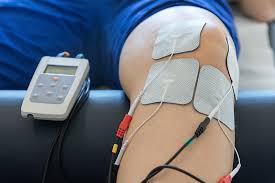
  • TENS Therapy
  • Interferential Therapy (IFT)
  • Therapeutic Ultrasound
  • Soft Tissue Mobilization
  • Myofascial Release

Rehabilitation Programs

Mobility Exercises

  • Spinal mobility exercises
  • Stretching programs
  • Flexibility training

Strengthening Exercises

  • Core stabilization exercises
  • Lumbar strengthening
  • Cervical stabilization exercises
  • Gluteal strengthening

Functional Rehabilitation

  • Postural retraining
  • Lifting mechanics education
  • Work conditioning programs
  • Activity-specific rehabilitation

Aerobic Conditioning

  • Walking programs
  • Cycling
  • Low-impact cardiovascular exercise

Benefits of Physiotherapy for DDD

  • Reduces pain and stiffness
  • Improves spinal mobility
  • Enhances core strength
  • Improves posture
  • Increases flexibility
  • Supports spinal stability
  • Reduces recurrence of symptoms
  • Improves daily function
  • Helps avoid surgery in many cases
  • Enhances quality of life

When Is Surgery Needed?

Surgery may be considered when:

  • Conservative treatment fails
  • Significant nerve compression develops
  • Progressive neurological deficits occur
  • Severe functional limitations persist

Common procedures may include:

  • Discectomy
  • Laminectomy
  • Spinal Fusion
  • Artificial Disc Replacement

Post-operative physiotherapy is essential for optimal recovery.

Recovery & Prognosis

DDD is generally a long-term condition, but symptoms can often be effectively managed.

Outcomes depend on:

  • Severity of degeneration
  • Physical activity levels
  • Core strength
  • Lifestyle modifications
  • Adherence to rehabilitation

Many individuals maintain active and productive lives with appropriate treatment and exercise.

Prevention Tips

  • Maintain a healthy body weight
  • Stay physically active
  • Strengthen core muscles
  • Practice proper lifting techniques
  • Maintain good posture
  • Avoid smoking
  • Address spinal pain early

When Should You Seek Medical Attention?

Consult a healthcare professional if you experience:

  • Persistent neck or back pain
  • Radiating arm or leg pain
  • Progressive weakness
  • Numbness or tingling
  • Difficulty performing daily activities

Early intervention can help reduce symptoms and prevent complications.

Why Choose Magnum Physiotherapy?

At Magnum Physiotherapy, we specialize in evidence-based spine rehabilitation and chronic pain management. Our individualized treatment programs combine advanced physiotherapy techniques, targeted exercise therapy, and patient education to help individuals with Degenerative Disc Disease reduce pain, improve mobility, and maintain long-term spinal health.

Our Blog

Chat with us Call us